In another significant success against illegal narcotics trafficking, Assam Rifles under Spear Corps and Directorate of Revenue Intelligence (DRI) have seized a big amount of poppy seeds valued at nearly ₹1.65 crores during a joint operation in Badarpur, Sribhumi district of Assam.
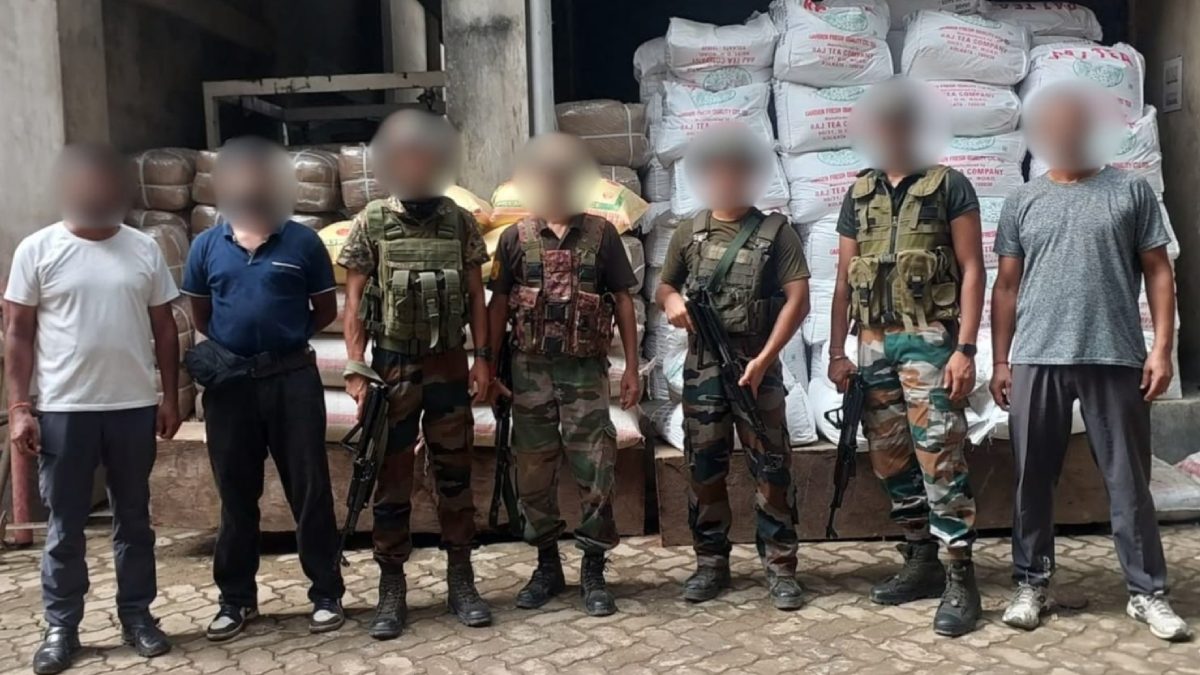
The operation, made possible through credible intelligence inputs, is an important achievement for the security forces in tackling the illegal drug trafficking networks in northeastern areas of the country. The seizure not only disrupted one of the most important links in the drug supply chain, but also cemented the government’s resolve to stop the flow of illegal drugs and prevent people in the region from being negatively affected by illegal drugs.
The Indian Army said the operation was planned after intelligence agencies received specific information on the movement of a large consignment suspected to be linked to illegal activities. The Assam Rifles quickly collaborated with Directorate of Revenue Intelligence to set up surveillance and interception points in Badarpur. The joint operation showed that the intelligence-led enforcement and the seamless coordination between military and civil authorities are in the making in dealing with organized crime in India.
A vehicle with a large amount of poppy seeds during the operation was seized by the security teams. According to officials, the buyer had 11,130 kilograms of the commodity and it was transferred to the appropriate authorities for investigation and legal proceedings.
The seized consignment (around ₹1.65 crores) is being sent to authorities and further investigation and legal proceedings are on hand. The origin of the shipment, intended destination, and people or organizations behind it are still in the process of investigation as well as finding out who is behind it.
Poppy seeds are often used in food preparation and in certain industries when they are legally purchased, but authorities are concerned about huge volumes of them as they can be diverted for illegal purposes or that they could be connected to bigger narcotics operations. With the consignment, they will be able to see what documentation is there and what is the compliance with the law. They’ll also look for connections with interstate or cross-border trafficking networks and what could be done.
Because of the proximity to international borders, India’s northeastern region is still very much in the centrality of the fight against drug smuggling as organized crime groups have been trying to use transit routes through the area for cocaine and other drugs. In recent years, security forces have intensified surveillance along highways, border areas, and transportation corridors to intercept illegal consignments before they reach domestic or international markets.
The recent seizure shows once again how important Assam Rifles is on India’s northeastern border. Besides the duty of security at the border, the force is also engaged in counter-insurgency operations, border control, humanitarian assistance, and anti-smuggling operations. Working closely with Directorate of Revenue Intelligence (DRI), Narcotics Control Bureau (NCB), Customs, state police, and other intelligence agencies has greatly helped India fight organized crime.
The Directorate of Revenue Intelligence, India’s leading anti-smuggling intelligence and enforcement agency, has also been at the forefront of tracking financial and logistical networks involved in illegal trade. The agency has been able to intercept a lot of drugs (narcotics, gold, foreign currency, wildlife products, etc.). Joint operations with the armed forces and paramilitary units are now more and more important in areas where organized criminal syndicates try to exploit geographical gaps.
Experts believe intelligence-driven operations like the one in Sribhumi district have other objectives beyond the immediate capture of contraband. They disrupt supply chains, create operational risks for traffickers, deter future smuggling, and provide valuable information which can move investigators higher up the criminal hierarchy. Each successful interception is a step in that process of tracing trafficking routes, identifying financial backing, and identifying networks of logistics that support organized crime.
As part of the drug-trafficking fight, the Indian government has always emphasized zero tolerance to such activities as drug trafficking. Border surveillance has been upgraded, inter-agency coordination has been strengthened, intelligence is better integrated, and transportation is being monitored technology-driven. Awareness campaigns are also being undertaken to teach young people about the dangers of substance abuse and to prevent the criminal syndicates which drive the illegal drug supply and to send out the message.
Drug trafficking is a serious problem with social, economic, and security implications. Not only do illegal drugs fuel addiction and health problems, but they are also linked to organized crime, money laundering, terrorism financing, and cross-border criminal networks. By taking large consignments to the curb before they get to consumers or illegal manufacturing units, law enforcement does a lot to protect the communities and keep national security at stake.
Officials have said investigations into the latest seizure are ongoing. Agencies will examine the transportation documents, locate the communication records, track the money that the consignment was moving, and question any individuals linked to the consignment to see if anything is connected to a bigger trafficking network. Based on the outcome, more arrests and enforcement will take place next week.
Acting on credible intelligence, Assam Rifles under Spear Corps, in a joint operation with the Directorate of Revenue Intelligence (DRI), intercepted a massive consignment of 11,130 kg of poppy seeds worth approximately ₹1.65 crore at Badarpur, Sribhumi district, Assam. The… pic.twitter.com/n7rxfkP9XP
— IANS (@ians_india) August 7, 2026
The successful operation in Badarpur is yet another example of how coordination of enforcement efforts between India’s security and intelligence agencies is increasingly effective. As traffickers increasingly resort to sophisticated tactics in order to avoid detection, authorities are increasing their surveillance capabilities through sophisticated intelligence analysis, technological tools, and joint action.
The Indian Army said the operation is a sign of the Assam Rifles’ commitment and dedication to combat drug trafficking and protect the nation’s youth from the devastating effects of the drug trade. With continued vigilance, intelligence sharing, and good cooperation between the enforcement forces, India will only strengthen its existing illegal trafficking networks against drugs and curb the activities of people with criminal backgrounds in India.