The Basavasagar Dam in Karnataka's Yadgir district is slowly filling up and has almost reached its full storage capacity after the monsoon rain on the Krishna River. The dam is now filled with 31.14 thousand million cubic feet (TMC) of water, as per the latest official numbers for 31.14 thousand million cubic feet (TMC) of water against 33.33 TMC on average, and is heading towards its full storage capacity.
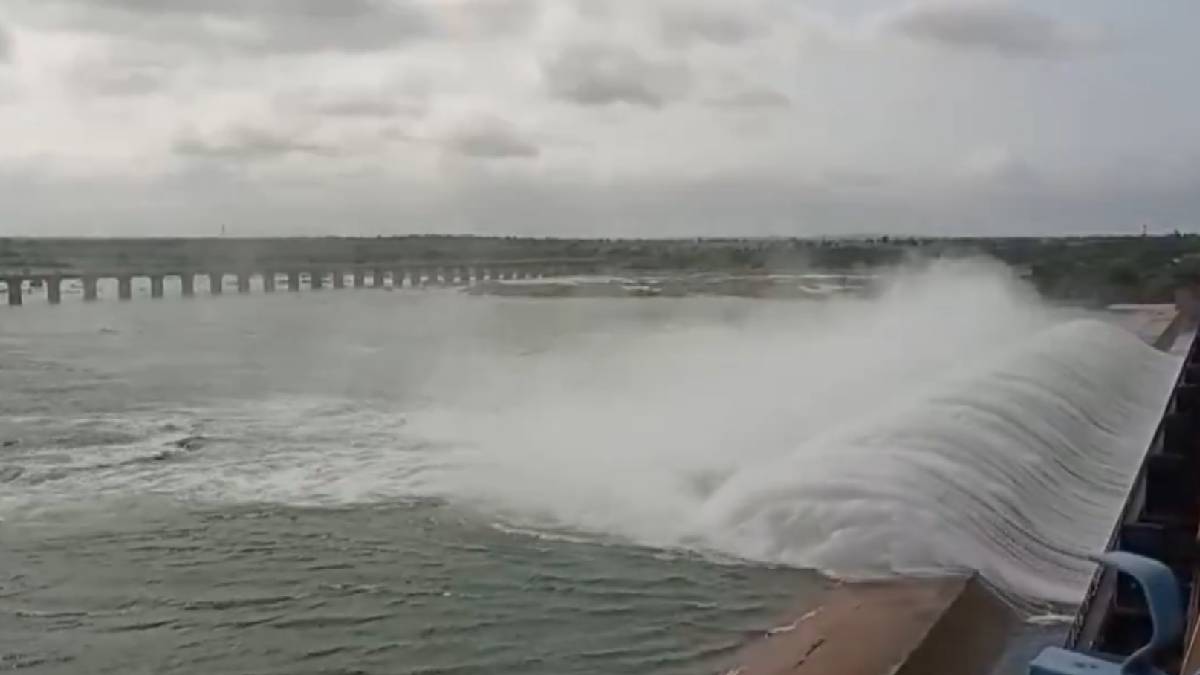
The reservoir is experiencing a large water inflow of around 70,000 cusecs while authorities are simultaneously releasing around 37,000 cusecs through 11 sluice gates to regulate water levels and maintain operational safety.
Karnataka:
— News Arena India (@NewsArenaIndia) July 25, 2026
Basavasagar dam in Yadgir nears full capacity, storage stands at 31.14 TMC out of 33.33 TMC capacity with 70,000 cusecs of water inflow and 37,000 cusecs outflow via 11 sluices. pic.twitter.com/bsfakZgW0w
Reservoir Nears Maximum Capacity
The rapid increase in storage is because of incessant rain in the upstream catchment areas, which has driven inflows into the reservoir well into the last few days. Now the dam is 93% of its full capacity, and water resource officials are monitoring the situation to ensure that the reservoir is safely filled.
In order to manage the growing inflow and to keep the reservoir from exceeding safe operating levels, controlled releases are being performed.
Water Released Through 11 Sluice Gates
Authorities have opened 11 sluice gates to discharge excess water downriver. The release of 37,000 cusecs will be part of routine reservoir management during times of high inflow and helps to maintain the dam’s structural integrity.
The inflow trends are still being assessed, and the discharge levels may be adjusted depending on rainfall intensity and water levels in the next few days.
Importance of Basavasagar Dam
Basavasagar Dam, which is built on the Krishna River, is one of northern Karnataka's major irrigation projects. The reservoir is also crucial for the irrigation of agricultural areas in the region and to supply the drinking water of the neighboring districts.
A safe storage level is generally favorable for farmers in preparation for the upcoming agricultural season, because it guarantees enough water for irrigation.
Monsoon Continues to Boost Reservoir Levels
The southwest monsoon has significantly improved water storage in several reservoirs across Karnataka this season. Increasing water levels of major dams in upstream regions through continuous rainfall have helped strengthen the state’s water reserves after earlier months of lower storage.
The increased storage is welcome for agriculture and water supply, but authorities keep an eye on the situation for more heavy rainfall, and this will require more controlled releases of water.
Advisory for Downstream Areas
With large quantities of water being discharged from the reservoir, those living along downstream stretches of the Krishna River are advised to be alert and follow instructions issued by local authorities. When large quantities of water are being released from dams, residential areas may be evacuated, and riverbeds or low-lying areas are usually avoided by the residents.
District officials continue to monitor river conditions and coordinate with disaster management agencies to ensure public safety if inflows increase further.
The Basavasagar Dam will be closely monitored too as the monsoon continues to take place throughout Karnataka. If heavy rainfall continues in the Krishna basin, the storage levels could soon reach full capacity, and it will be necessary to review release patterns, balancing flood management with water conservation.