Bengaluru Chicken Shops Shut for Two Days as Poultry Traders Protest Waste Disposal Fee
Bengaluru residents might be forced to purchase chicken over the next two days as poultry traders across the city shut down chicken shops and poultry traders in the city have threatened to boycott food outlets in the next two days due to a new waste disposal charge. The Karnataka Poultry Traders Association has called for a shutdown of chicken shops to protest against the Bengaluru Solid Waste Management Limited (BSWML) decision to charge ₹5 per kilogram for the disposal of chicken waste.
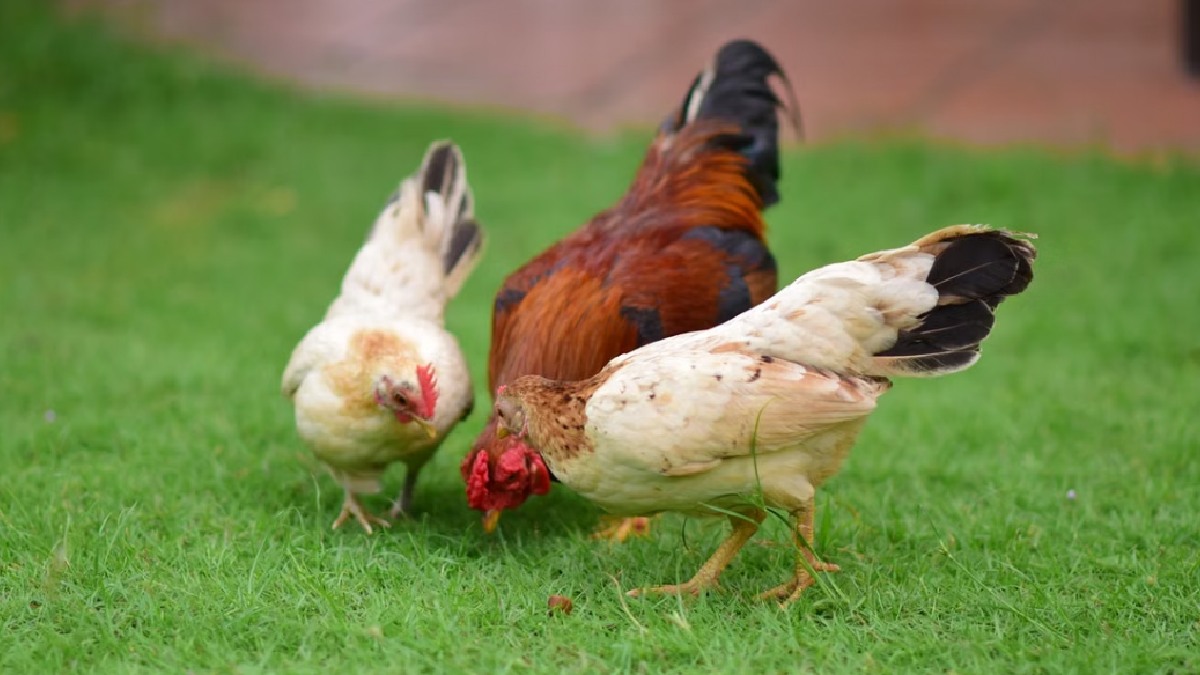
As part of the protest, chicken shops across Bengaluru closed on September 3 and the association has also announced a complete citywide shutdown of poultry outlets on September 4. A massive demonstration led by poultry traders is being held at Freedom Park starting from 11 a.m. on September 4 to press their demands before the authorities.
Thousands of Chicken Shops Affected
The Karnataka Poultry Traders Association said the new waste disposal fees will affect poultry businesses across the city. They estimate that more than 6,000 to 7,000 chicken shops in Bengaluru will be affected by the additional financial burden.
Traders believe the charge is unfair and will increase operational costs for small and medium-sized industries already facing high costs. The association has two main demands: an immediate removal of the waste disposal fee from the BSWML.
Bengaluru Generates Massive Chicken Waste Daily
Industry representatives have highlighted the scale of the poultry business in Bengaluru to explain the new fee. According to association estimates, about 700,000 kilograms of chicken are sold in the city every day.
This volume of sales generates nearly 200,000 to 300,000 kilograms of chicken waste daily, including feathers, skin, bones, and other by-products. An average chicken shop produces around 30 kilograms of waste every day, poultry traders say.
Under the new policy, BSWML will charge ₹5 per kilogram for waste disposal. So a typical shop will have to pay around ₹150 per day, translating to almost ₹4,500 a month. Traders say such additional expenses could severely impact profitability, especially for smaller businesses operating on thin margins.
Traders Oppose Additional Financial Burden
Chicken shop owners are against it and argue that the burden will fall on small traders and consumers. The waste management charge is extremely high and should be reconsidered based on industry discussions, many say.
Association leaders have indicated that although they believe in good waste management practices, the current pricing structure is not feasible for thousands of firms in Bengaluru. They are calling on the authorities to consult with traders before taking such measures.
Impact on Consumers
The two-day shutdown is expected to affect the availability of fresh chicken in Bengaluru. Local poultry outlets that rely on local poultry outlets might be hit by temporary shortages or be forced to make do with other options until the protest is over.
If the shutdown continues beyond the time period the government said it would be in place, food retailers, hotels, caterers, and other business sectors that rely on poultry daily will be affected. Market analysts say demand could be shifted to frozen chicken products or alternative sources of food during the bandh.
Awaiting Government Response
The protest has also brought attention to the bigger problem for small businesses - negotiating environmental obligations in relation to the economic realities of small businesses. Traders are hoping the government and BSWML will revisit the fee structure and meet with industry representatives.
For now, Bengaluru’s poultry sector is in protest mode, with thousands of chicken shops shut and a huge protest taking place at Freedom Park. The outcome of the negotiations between traders and officials will determine if normal business resumes after the two-day shutdown or if the protest goes on.