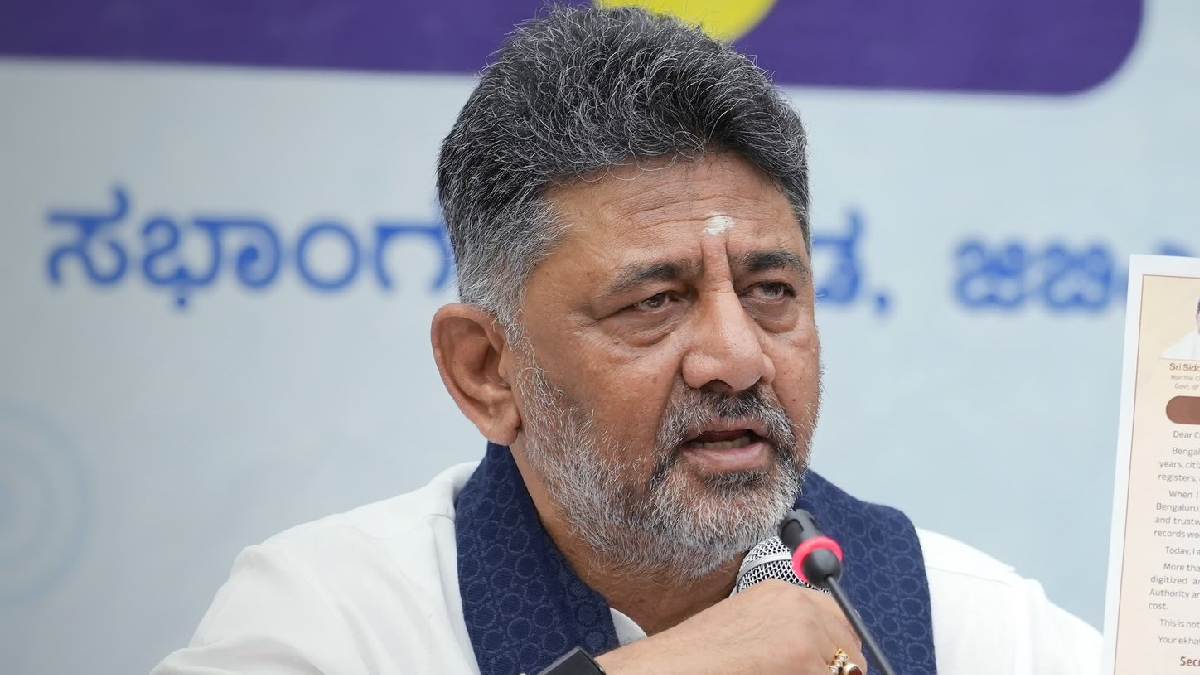
Karnataka Chief Minister D.K. Shivakumar has appealed directly to critics of the proposed Bengaluru tunnel road project to challenge him if they believe the way the government is going about the city’s worsening traffic mess is wrong. Speaking at a business summit in Bengaluru on September 2, Shivakumar called on women entrepreneurs and business leaders to take part in conversations about the city’s infrastructure and mobility plans.
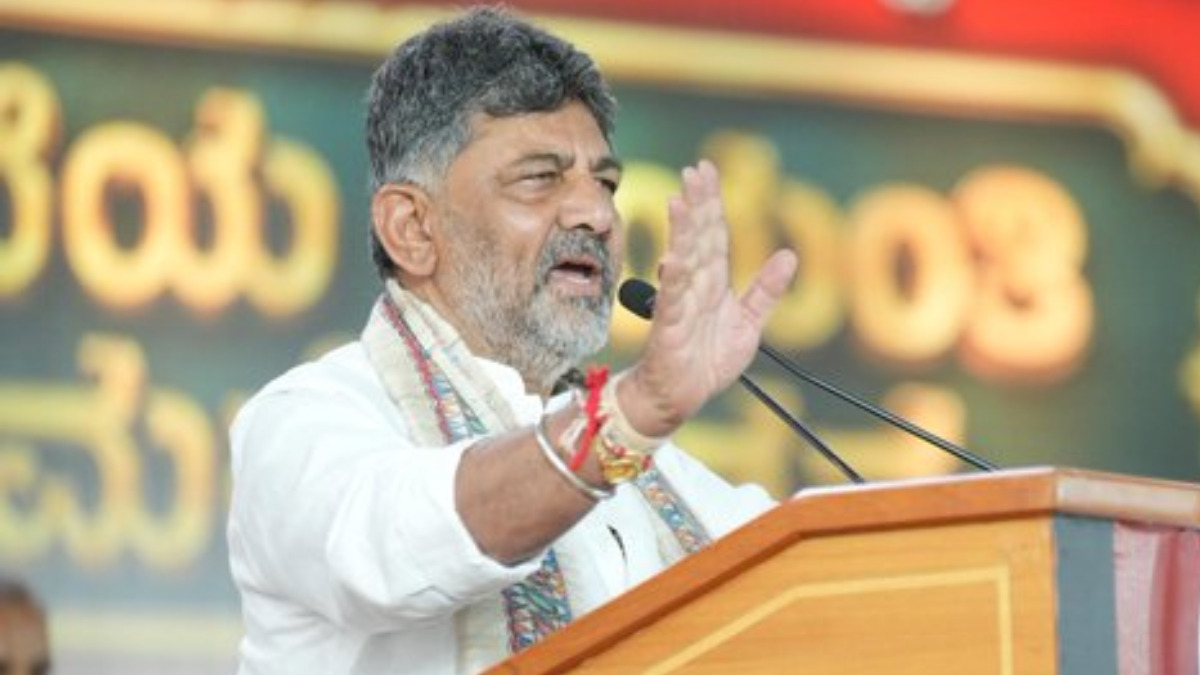
“Shout at me if I’m doing wrong,” Shivakumar said while defending the government’s tunnel road proposal. He questioned why entrepreneurs remained silent despite the serious traffic problems faced by Bengaluru every day.
“What is the solution for traffic?”
Addressing women entrepreneurs, Shivakumar asked them to speak up about Bengaluru’s mobility problems instead of leaving the debate entirely to politicians and officials.
“Why are you all keeping quiet? What is the solution for the traffic? That is my question,” he said, according to reports. He told the crowd that they could “shout” at him if they felt that the government was making a mistake.
The Chief Minister was in defense that Bengaluru’s growing traffic congestion as an issue that needed to be addressed. The existing roads have limited scope for further expansion because of the dense development across the city, he said.
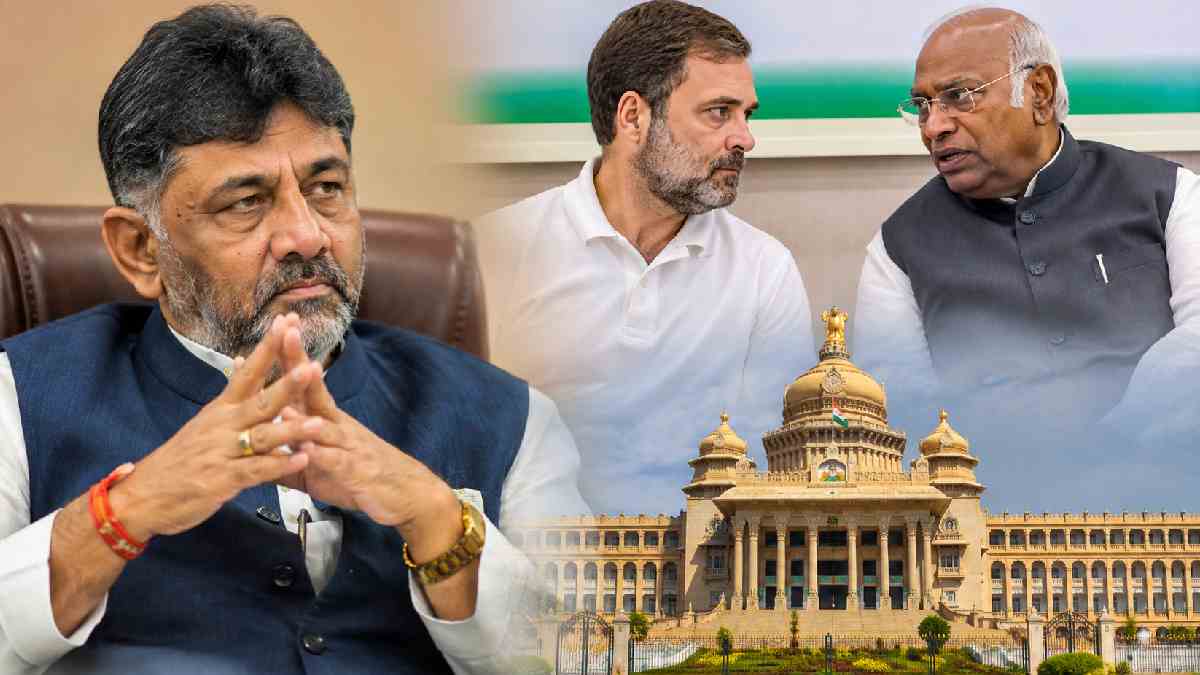
Shivakumar has positioned the tunnel road as one of the government's major solutions for improving north-south connectivity. The proposed corridor will connect Hebbal to Central Silk Board, one of the key areas of Bengaluru. A detailed project report has estimated that the underground corridor could greatly reduce travel time between the two ends.
Hebbal-Silk Board Tunnel Under Opposition
But the tunnel road has become one of Bengaluru’s most polarising infrastructure projects. Civic organisations, environmentalists, and politicians are worried about the cost, feasibility, and loss of green spaces.
One of the biggest issues is the proposed alignment near Lalbagh Botanical Garden. BJP MP Tejasvi Surya has fought against the project, saying that Bengaluru should focus more on mass public transport such as Metro expansion, buses, and suburban rail.
Citizens and environmentalists have also organised protests against the project, and it has been opposed by various NGOs and residents who have organised protests to protect Lalbagh from any infrastructure-related land use.
Shivakumar, however, has rejected the argument that the tunnel would damage Lalbagh. He has said the tunnel would pass underneath the garden and that the green area itself would not be affected, while admitting that limited temporary land use might have to be made during construction.
CM Defends Tunnel Road as a Traffic Solution
Shivakumar said political opponents were objecting to the project. He questioned how Bengaluru could solve congestion without underground road infrastructure.
“How can you do without a tunnel? What are some of the best possible solutions to the traffic congestion problem?” he said, stressing that widening existing roads was not always possible.
The Chief Minister also highlighted the amount of time Bengaluru commuters lose in traffic. For instance, driving from Mysuru to Bengaluru will take 90 minutes, but the last section in Bengaluru will take many hours to move through because of congestion, he said.
‘Time Is Money’: Shivakumar on Toll Road Model
Shivakumar also supported the development of a toll-based tunnel system. He said commuters and professionals who value their time may be willing to pay for a faster journey.
“Time is money. Travel is also time. Anyone capable will pay the toll and go,” he said.
He cited employees going towards Electronic City as an example, arguing that spending two or three hours stuck in traffic could be an economic cost for both people and businesses.
So the proposed tunnel is being presented not simply as a road project but as part of a larger effort to improve Bengaluru’s economic productivity by reducing travel time.
Business Community Asked to Speak Up
Shivakumar’s appeal was also closely linked to Bengaluru’s position as a major business and technology hub. He told entrepreneurs that businesses cannot simply move away because of the city’s infrastructure challenges.
“You know that you cannot send your businesses back,” he said, while urging entrepreneurs to engage in the debate over solutions to Bengaluru’s mobility problems.
The government has said it is investing heavily in Bengaluru’s infrastructure, and Shivakumar stated that around ₹1.5 lakh crore is being spent on infrastructure development to strengthen the city’s transport system.
Yet the tunnel project is still in the public eye. It is still controversial to many that Bengaluru should prioritise public transportation and sustainable urban planning over expensive road infrastructure.
So far, Shivakumar seems determined to push forward with the tunnel-road vision and to challenge the city’s opponents and civil society to come up with practical solutions for the city’s congestion. He’s now telling entrepreneurs that if the government’s approach is wrong, he wants stakeholders to speak up—but he also expects them to put forward solutions to Bengaluru’s traffic crisis.