Bengaluru is experiencing increasing concern about the rise in Inflammatory Bowel Disease (IBD) among children, with doctors pointing to changing dietary habits, lack of physical activity, urbanisation and other lifestyle factors as among the reasons for this.
The New Indian Express reported that doctors noticed a surge in the number of children diagnosed with IBD over the last decade. While increased awareness and better diagnostic facilities have enabled doctors to spot the disease at a much earlier stage, doctors feel that the actual prevalence of the disease is also increasing.
Data cited in the report indicates that paediatric IBD cases increased by around 12% in the past six months. In one hospital, 886 children were diagnosed with IBD over the past five years, indicating a growing health problem in young patients.
IBD Increasing among younger children
But doctors say the increase is especially concerning because IBD is now being detected even amongst very young children.
Dr Lavanya RP, paediatric gastroenterologist at Rainbow Children's Hospital, said that childhood IBD has increased significantly across India over the past two decades. The disease is also being diagnosed in children below the age of six, meaning that the condition is no longer limited to older children and adolescents.
Dr Shivakumar Sambargi also observed a large number of suspected cases among children living in urban areas. He said he is seeing around three to four suspected cases every week.
Paediatric doctors are worried about the impact of modern lifestyles and environmental conditions on children’s digestive health, too.
What is inflammatory bowel disease?
Inflammatory Bowel Disease is a group of chronic diseases that cause inflammation in the digestive tract. Crohn’s disease and ulcerative colitis are the two major forms.
IBD is different from a brief stomach infection. It can persist for long periods and may require continuous medical monitoring and treatment.
In children, prolonged inflammation can also affect normal growth and development. So early diagnosis is especially important.
Changing Food Habits Under Scanner
Doctors have identified changing food habits as one of the factors that may be contributing to the increasing incidence of IBD.
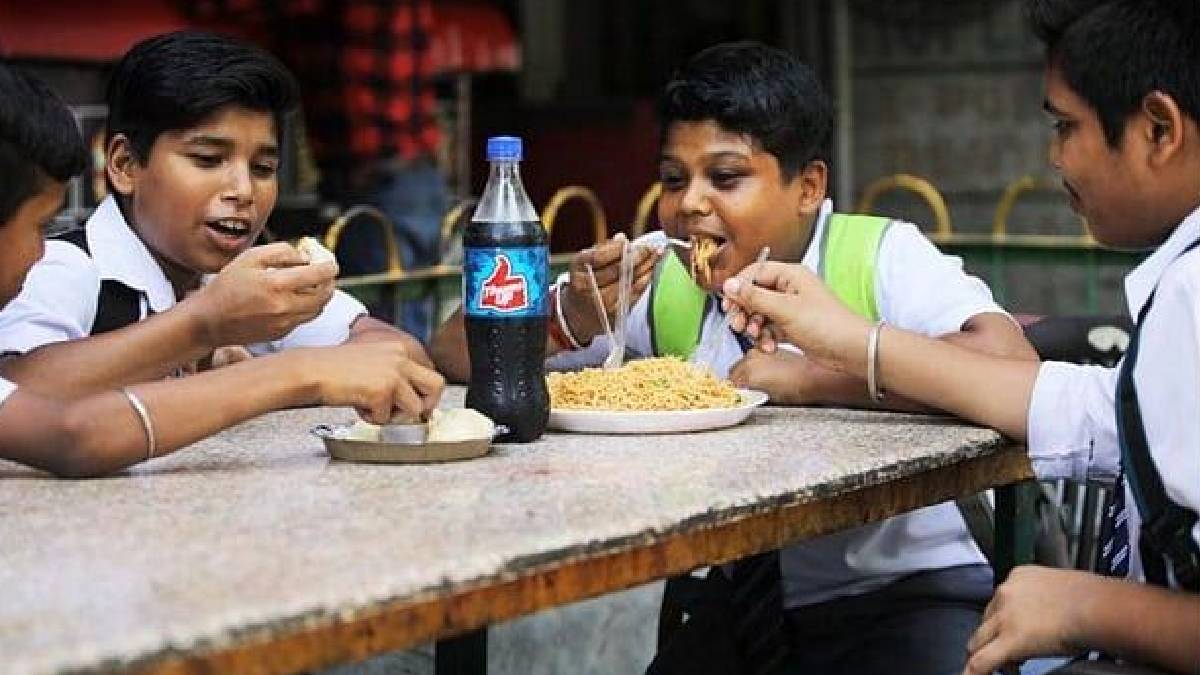
Children are increasingly exposed to ultra-processed foods, packaged snacks, fast food and sugar-sweetened beverages. Frequent consumption of such foods can impact gut health and the balance of microorganisms in the digestive system.
The increasing reliance on packaged and processed food and a decrease in fresh and healthy meals has been a concern for child health experts.
But doctors note that IBD is a complex disease and cannot be associated with one food item or lifestyle. Genetics, immune responses, environmental factors, and changes in the gut microbiome play a role as well.
Lack of Physical Activity May Also Matter
Such a major concern is the decline in physical activity among children.
Increasing screen time and pressure from school and a lack of outdoor play have resulted in children being more sedentary in their day-to-day lives.
Reduced physical activity and diet changes can impact overall metabolic and digestive health. Doctors are therefore calling on parents to provide children with the exercise opportunities to play in the outdoors and other age-appropriate physical activities.
Urbanisation And Pollution Raise Concerns
Another factor being studied by specialists is rapid urbanisation.
Children living in cities are exposed to different environmental conditions, including air pollution and changing lifestyles. Exposure to pollution and second-hand smoke may also influence overall health.
Changes in the gut microbiome have also been much studied by people studying inflammatory diseases. Microorganisms in the digestive system play a major role in maintaining gut health, and changes in diet or environment may affect this balance.
All these factors need more research to establish the relationship between them and the incidence of IBD.
Parents Should Watch For Warning Signs
Doctors have advised parents not to dismiss persistent digestive symptoms as normal stomach infections.
The warning signs that would be of medical importance include:
Persistent abdominal pain. Prolonged diarrhoea. Blood in the stool. Unexplained weight loss. Poor weight gain. Failure to achieve expected height and growth. Reduced appetite. Persistent digestive problems.
If these symptoms persist for a long period of time, then parents should consult a paediatrician or paediatric gastroenterologist instead of simply self-medicating.
Early Diagnosis Can Help Children
Early diagnosis is crucial in children as chronic intestinal inflammation is associated with poor nutrition and growth, and so on.
Doctors say the increased awareness of parents and better diagnostic facilities have made it possible to identify IBD cases earlier than in the past. But awareness of warning signs is necessary.
Parents should also keep a record of recurring symptoms, changes in bowel habits, weight loss and dietary patterns to help doctors evaluate the child's condition.
Doctors Welcome Karnataka Government's Action
Doctors welcomed steps taken by the Karnataka government to discourage the sale and promotion of junk food around school premises.
Such measures could also be effective at reducing junk food sales and advertising near schools and promoting nutritious food and physical activity to encourage healthier eating habits for children.
Schools, parents, healthcare professionals and government agencies, for instance, should all work together to improve children’s diets and encourage active lifestyles, they say.
A Growing Public Health Concern
The increase in childhood IBD cases underscores the more general challenges associated with changing food habits and urban lifestyles.
While junk food and physical inactivity are commonly considered to be related to children’s health, IBD is a complicated disease with multiple causes. So parents should not think diet alone is the cause of the disease.
Doctors have told us the importance of early recognition of persistent symptoms, and taking the advice of doctors is key.
As Bengaluru continues to urbanise and children’s lifestyles change, improving access to nutritious food, encouraging outdoor activity and increasing awareness about digestive health could become increasingly important in protecting children’s long-term health.