What if the food you ordered online today was already expired and someone changed the expiry date? That scary possibility is now out in the open after Karnataka food safety officials reportedly found a lot of expired and wrongly labelled food products at storage and supply facilities in Bengaluru.
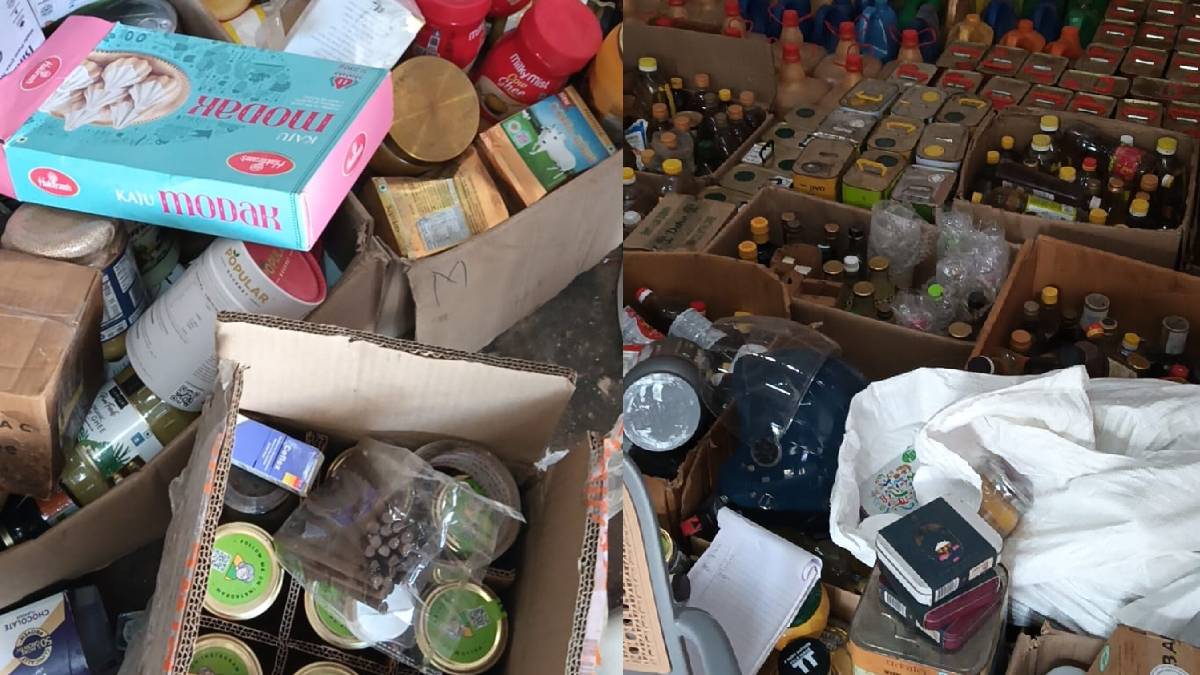
Food worth about ₹1.38 crore was seized in a week during inspections of storage and supply units (sic) across the country. The facilities were units related to major online commerce/quick commerce operations (Amazon, Instamart, etc).
These results have serious implications for how food products are handled before they reach consumers. Online grocery shopping and quick-commerce services are becoming an increasingly part of everyday life, and consumers expect warehouses, fulfilment centres and delivery networks to ensure that the products reaching their homes are fresh, packaged properly and within stated shelf life.
One of the most serious finds was allegedly made at an agency in Lingarajapuram. Officials say they found the agency buying expired products and altering expiry dates on them. Premises were shut down by authorities. If true, this would be a serious breach of food-safety requirements, as consumers rely heavily on expiry and manufacturing information printed on packaged products.
Another major seizure was reportedly made at the Instamart facility in Hoskote. Food products worth ₹42 lakh expired were seized from the facility. The department suspects that the facility may have also sold expired and improperly labelled stock worth about ₹1 crore.
The size of the suspected inventory has also raised questions about how expired products are identified, segregated and removed from large distribution centres. Warehouses storing thousands of products need systems to monitor expiry dates so older stock isn’t accidentally or deliberately supplied to customers.
The enforcement action mentioned above also found medicines worth ₹4.02 lakh stored without licences. Inspections add another layer to this and show how regulated products should only be stored and handled by authorised persons.
Interestingly, the larger enforcement operation was reportedly started when a peptide party was cancelled because it allegedly didn’t follow rules. What began as an isolated regulatory intervention ended up taking officials to storage and supply facilities where “the bigger discoveries were made”.
The news has obviously brought up a big consumer-safety issue: when people order food online, how sure are they that the date printed on the packet hasn’t been changed?
Consumers assume packaged food sold by known delivery platforms has been checked for basic safety and quality — but the seizures show why supply-chain monitoring is still needed even if products are bought online from known sites. Just because expired or allegedly mislabelled products were found at individual facilities doesn’t mean wrongdoing by companies with which they are associated (where did those products come from, who had inventory control, etc.). Authorities would have to know where those products came from; who had inventory control; whether any deliberate manipulation took place.
For consumers, we ask them to check food packaging immediately after delivery. Products with suspicious stickers, altered labels, damaged packaging, unclear manufacturing details or dates which look tampered with shouldn’t be consumed. Customers should save the packaging, order information and other evidence if they need to report a suspected violation to the platform or authorities.
The Bengaluru action also makes clear the bigger burden on manufacturers, distributors, warehouse operators, retailers and online delivery platforms: India’s quick-commerce sector is getting bigger and bigger, and keeping track of inventory accurately and getting expired products off shelves (and out of circulation) is harder to do.
The reported seizure of ₹1.38 crore worth of expired and mislabelled food in one week is therefore not just another enforcement story — it asks fundamental questions about consumer trust, warehouse practices and product information reliability in the fast-growing online food-delivery ecosystem.
In the end, an expiry date is supposed to give consumers safety information. If you try to manipulate that, then consumers are put at risk. Karnataka’s investigation will be important as to how these products got into these facilities, who was responsible, and whether further action is needed.
For consumers, the episode reminds us to check the label before eating something (even if it’s bought from a familiar online store). A few seconds spent checking the expiry date and packaging could make all the difference.