Bengaluru’s municipal infrastructure and cleanliness have been under increased scrutiny once again in the wake of garbage accumulation in areas where Ganesh festival celebrations are taking place. Residents and members of the public have expressed concern about the waste in BT Street and Anchepet in the Chikpet Ward of Bengaluru’s Gandhinagar Assembly constituency.
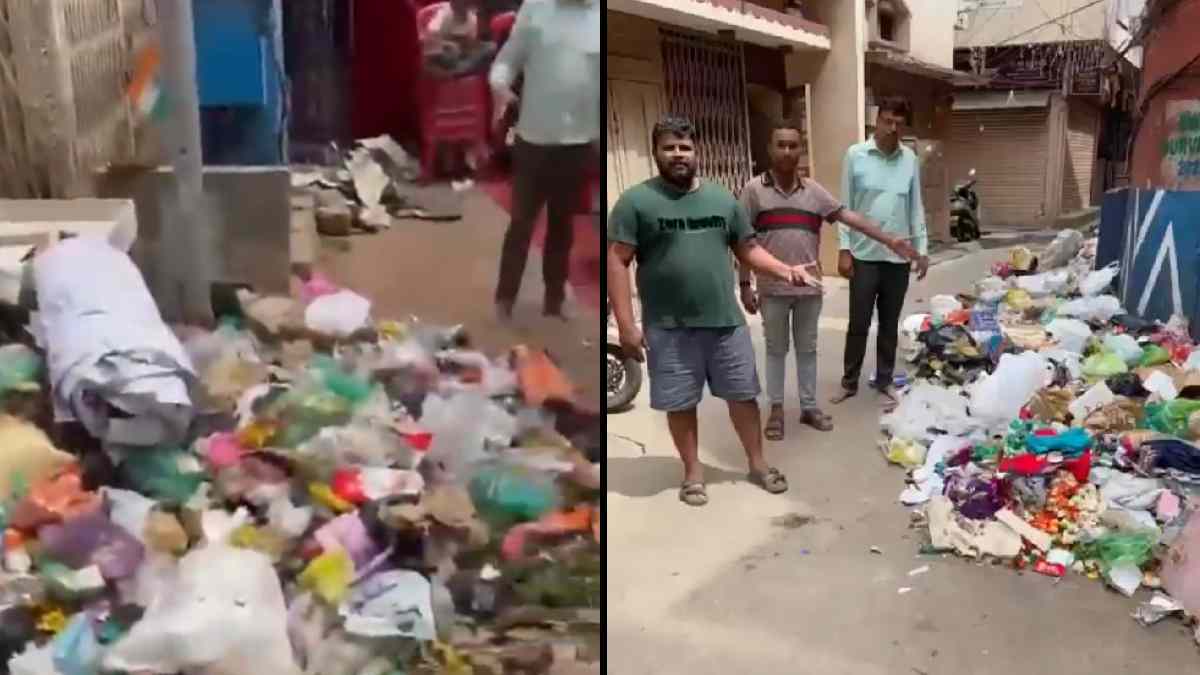
This has brought up a larger issue about the city’s preparedness to deal with waste during major religious festivals. As Ganesh celebrations draw devotees and visitors to neighbourhoods across Bengaluru, whether garbage collection, sanitation and maintenance of public spaces have been adequately planned is being questioned.
The concern has also been framed around “Brand Bengaluru,” a term often associated with the city’s work to develop infrastructure, cleanliness, public services and overall image of the city. Cleanliness should be part of the picture of Bengaluru as a modern and well-run city, critics say.
The garbage in BT Street and Anchepet is particularly intriguing because it is during a religious celebration. Residents and devotees want the municipality to ensure that these places hosting festival activities are cleaned promptly.
The criticism is directed towards the state government and local political representatives. Chief Minister Siddaramaiah and Bengaluru’s Gandhinagar MLA Dinesh Gundu Rao have represented the constituency several times. There is concern about whether the festival was organized well enough and whether public spaces are clean.
The issue is not just one of religion; we have to do a lot more than that. Waste management at big public gatherings is a broader civic duty. Festivals can produce a lot of disposable products, such as food waste, flowers, packaging, and other garbage. And if not collected and segregated, garbage can quickly build up on roads and near residential areas.
Bengaluru hosts large cultural and religious events regularly, so effective waste management is particularly important. Residents expect civic agencies to anticipate increased waste generation during festivals and will need to have an additional number of people and collection vehicles to help with the waste collection in case of waste at festivals and to be more organized.
Ganesh festival arrangements are a concern, but so is the balance authorities must strike between public celebrations and civic management. Residents, businesses and tourists should have clean streets and clean neighbourhoods because religious events are so much a part of life.
Supporters of better festival management say such arrangements can resolve both issues. Organized collection points, regular door-to-door collection, more sanitation workers and clear instructions on how festival-related material should be disposed of might help avoid waste piling up.
🕉️ ಗಣೇಶನಿಗೂ ಕಸದ ಸಂಕಷ್ಟ… ಇದು BRAND BENGALURU?
— BJP Karnataka (@BJP4Karnataka) September 14, 2026
ಬೆಂಗಳೂರಿನ ಗಾಂಧಿನಗರ ವಿಧಾನಸಭಾ ಕ್ಷೇತ್ರದ ಚಿಕ್ಕಪೇಟೆ ವಾರ್ಡಿನ ಬಿ.ಟಿ. ಸ್ಟ್ರೀಟ್, ಅಂಚೆಪೇಟೆಯಲ್ಲಿ ಗಣೇಶೋತ್ಸವದ ಸಂದರ್ಭದಲ್ಲಿ ಕಸದ ಸಮಸ್ಯೆ ತಲೆದೋರಿರುವುದು ಅತ್ಯಂತ ಬೇಸರದ ಸಂಗತಿ.
ಮಾನ್ಯ ಮುಖ್ಯಮಂತ್ರಿಗಳೇ ಹಾಗೂ 6 ಬಾರಿ ಶಾಸಕರಾದ ಮಾನ್ಯ ದಿನೇಶ್ ಗುಂಡೂರಾವ್ ಅವರೇ,
ಹಿಂದೂಗಳು… pic.twitter.com/isRWcufGdp
There was also debate on whether it is fair for citizens to keep on mentioning basic sanitation problems during large festivals and why they can’t be forced to publicize basic sanitation problems at large festivals again and again. Local representatives are expected to respond to local concerns and ensure that residents have access to basic services.
At the same time, responsible waste disposal by citizens and festival organisers can also play a significant role in the solution. The authorities can provide infrastructure and collection services, but organisers and members of the public need to abide by waste segregation and disposal guidelines as well.
The situation in BT Street and Anchepet has thus become more than a local garbage complaint. It has opened a discussion about Bengaluru’s civic preparedness, cleanliness and the meaning of the “Brand Bengaluru” vision.
Residents of Ganesh festival venues hope that local officials will take care of their environment with greater public awareness. Cleanliness in the vicinity and peaceful religious celebration will be appreciated and would also be in line with civic sentiments of the public.
For many residents, the expectation is pretty simple: religious celebrations must be celebrated with dignity, public places must be clean, and municipalities should plan for their major festivals on time. How Bengaluru can do so is a testament to its commitment to better urban management.