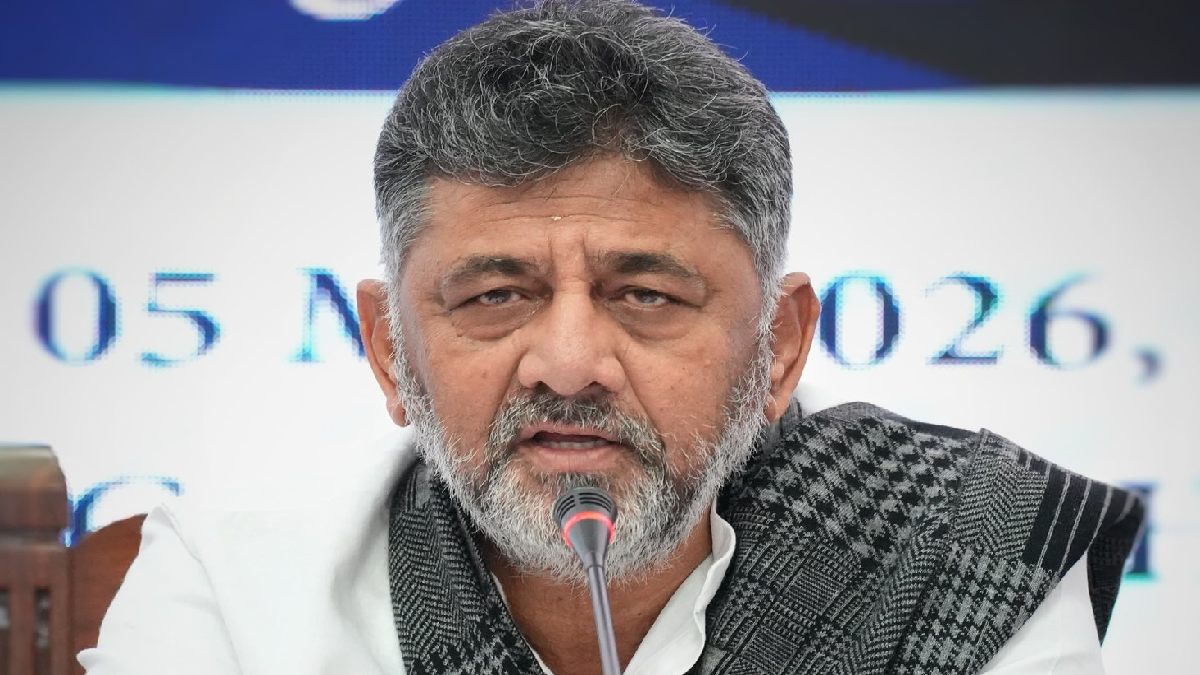
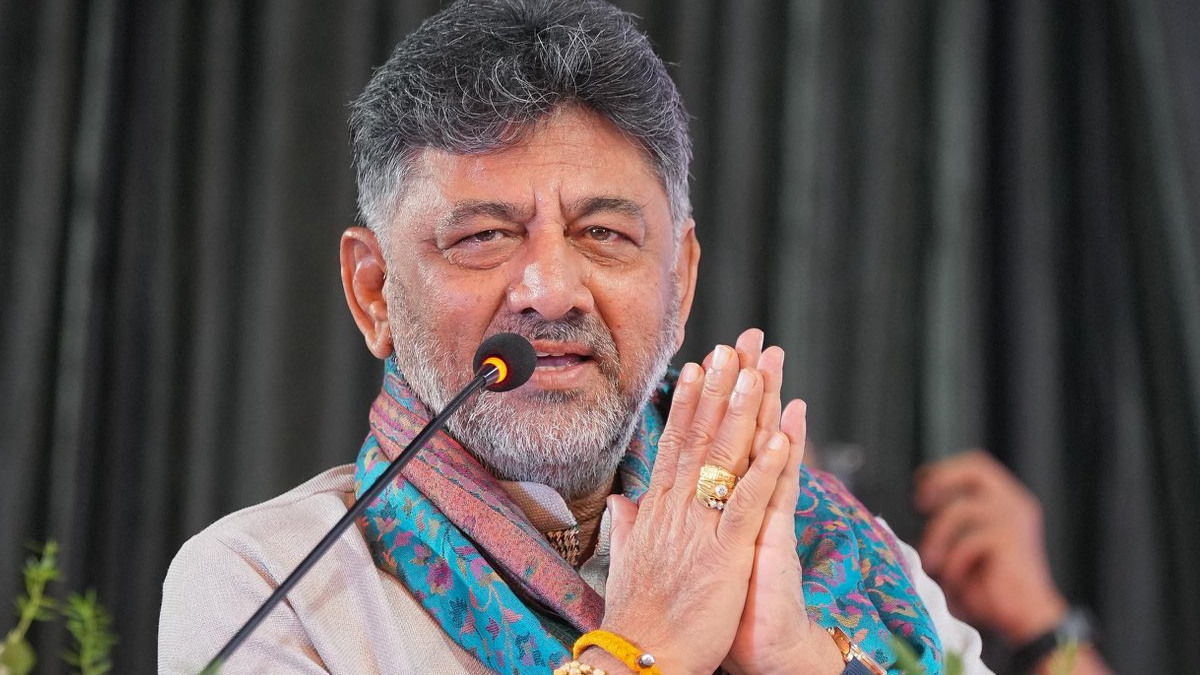
Karnataka is at risk of an imminent drought in coming months and Chief Minister DK Shivakumar said that if the situation is not improved the state may be faced with shortages of drinking water and electricity if the situation gets worse.
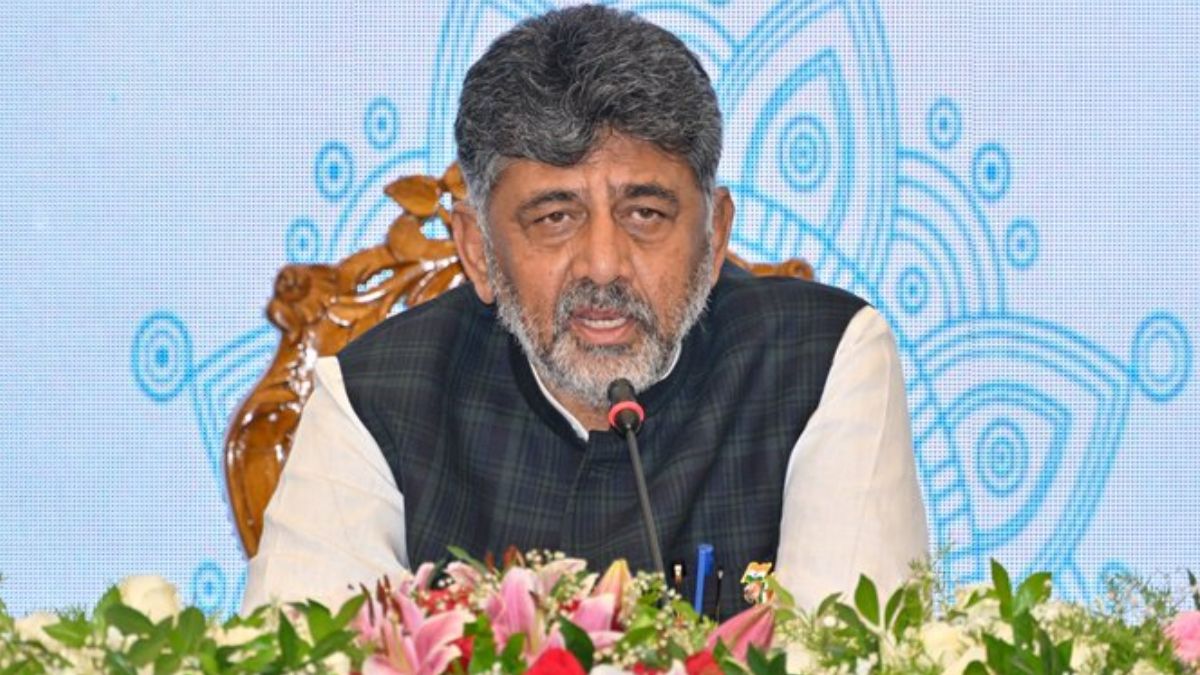
The warning comes as the state is concerned about poor rainfall, low water in reservoirs and pressure on resources in various parts of the state. If the state’s water sources are not getting enough rain, it will be in trouble.
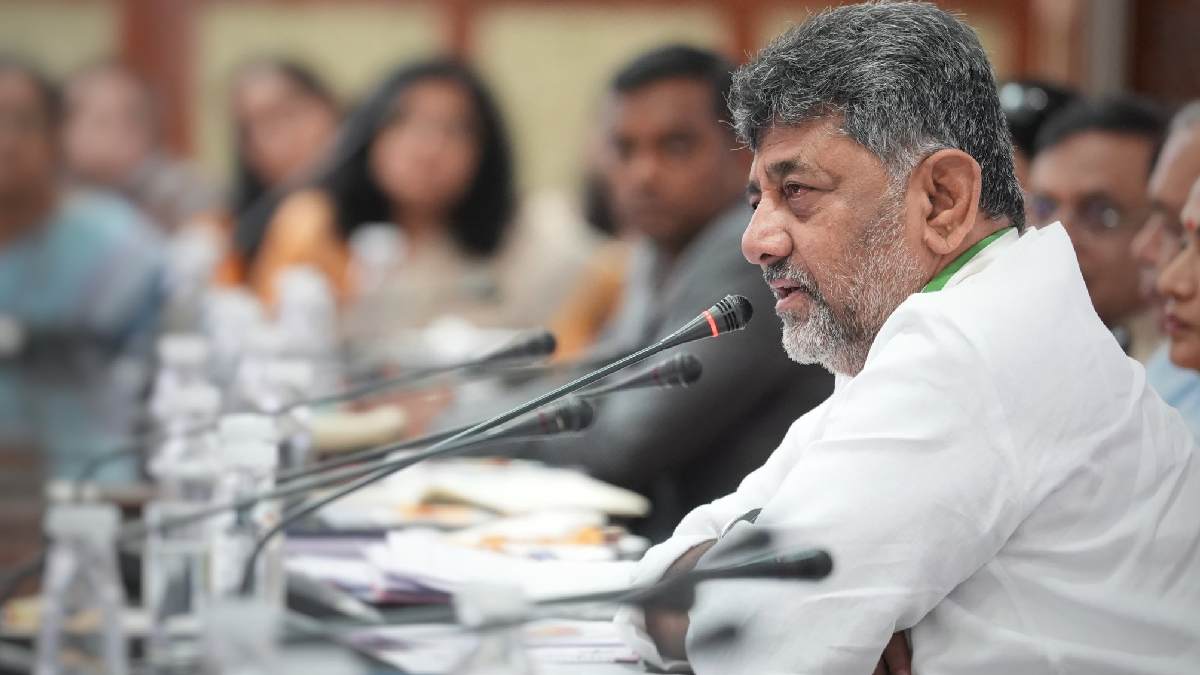
DK Shivakumar said the government is monitoring the water situation and will act should any problems arise. Karnataka relies on seasonal rainfall to provide water to reservoirs for agriculture and to provide drinking water to people. When rainfall is less than normal, the impact is felt not only by farmers but also by cities, towns and rural communities that rely on reservoirs, lakes, groundwater and other sources of drinking water.
Bengaluru and several other urban areas already have severe pressure on their water supply from population growth and an increase in demand. The long dry spell would put pressure on reservoirs and groundwater levels too. Rural areas could also be harder hit if borewells are drying up and local water sources do not provide enough water supply. The government must tighten the screws on non-essential water consumption in vulnerable areas with measures such as water tankers, alternative water sources and water conservation.
Drought will also have a direct effect on Karnataka’s power supply. Water levels in reservoirs are needed for hydroelectric power generation. If reservoir storage is low, as the demand for electricity falls, the opportunity to generate electricity from hydropower also shrinks. So other sources of electricity would be under pressure too, and supply would be questioned during high-demand times. Karnataka has a large agricultural sector that depends on electricity for irrigation pumps, and the availability of power is very important in a drought.
The warning is significant since water availability and electricity supply are closely linked during a drought. Crops need water for crop irrigation and electricity for irrigation systems, and cities need reliable electricity for water treatment, pumping and distribution. A persistent shortage results in pressure in all sectors of the economy at once and affects agriculture, households, industry and public services.
Agriculture is likely to remain one of the sectors most susceptible to a severe drought. Karnataka has a lot of rain-dependent areas, and lack of rain can affect seedling, crop development and yield in agriculture. The production of crops, be it paddy, maize, pulses, sugarcane and other commercial crops, may be at risk for farmers who grow them with little to no water if low water supply is present. Low agricultural production will also affect the incomes and food prices of farmers and rural communities as well.
Drought will still shape how the state’s reservoirs will be key to how the drought is to play out. Reservoir storage determines the availability of water for drinking, irrigation and hydropower production. If inflows are weak for a long time, authorities might have to prioritise drinking water over other uses. In areas where water is shared between multiple districts or states, water flows can be highly sensitive.
Bengaluru will still be one of those cities with a high population and high demand for water. Water availability issues have already threatened water quality in the city in recent years, and long-term planning is critical because water access and long-term planning are needed to solve the problem. Water conservation may have to be strengthened; officials would need to make sure they are in conserving measures more effective, encourage water use and move faster to make the water system going to be more sustainable for better water security.
In the drought warning, water conservation at the individual and community level is important. At the home level, residents can stop wasting water and use water more efficiently for household activities. Farmers can consider water-efficient irrigation methods and crop planning based on available resources. Rainwater harvesting and groundwater recharge are also necessary for resilience during extended dry periods.
For the Karnataka government, the coming months may see the need for close coordination between departments in water resources, energy, agriculture, rural development and urban administration. It is possible that authorities will need to monitor reservoir levels, groundwater, rainfall and electricity demand on a regular basis. If the drought is not easing soon, early intervention could help curb shortages.
While the final impact is dependent on rainfall and weather conditions, DK Shivakumar’s warning is an indication that Karnataka’s water crisis really is serious. That’s why it is necessary for the reservoirs to be replenished, for agriculture to grow and for hydropower generation to continue in the state, depending on rainfall and not being interrupted. If rainfall is not enough, the state could face greater pressure on drinking water and electricity supply.
The drought problem is not just a farmers’ problem and a rural problem. It affects the lives of people, businesses, industries, agriculture and urban infrastructure in Karnataka. Water conservation, efficient management and timely government action will be key in order to avoid a severe shortage and to keep water and power supply available to the people.