Bengaluru’s 45 km Namma Metro Phase 3 project is in the process of planning and review, with Bengaluru Metro Rail Corporation Limited (BMRCL) beginning the process to avoid further delays. Although the project was approved by the Union Government in August 2024 and PM Narendra Modi laid the foundation stone in August 2025, construction has not yet happened.
Why is this a project that is important to Bengaluru’s growing public transport network and not a construction project? Now BMRCL intends to carry out the preparatory work and seek the approval from the government to get the project started and move forward in the lead up to the implementation date.
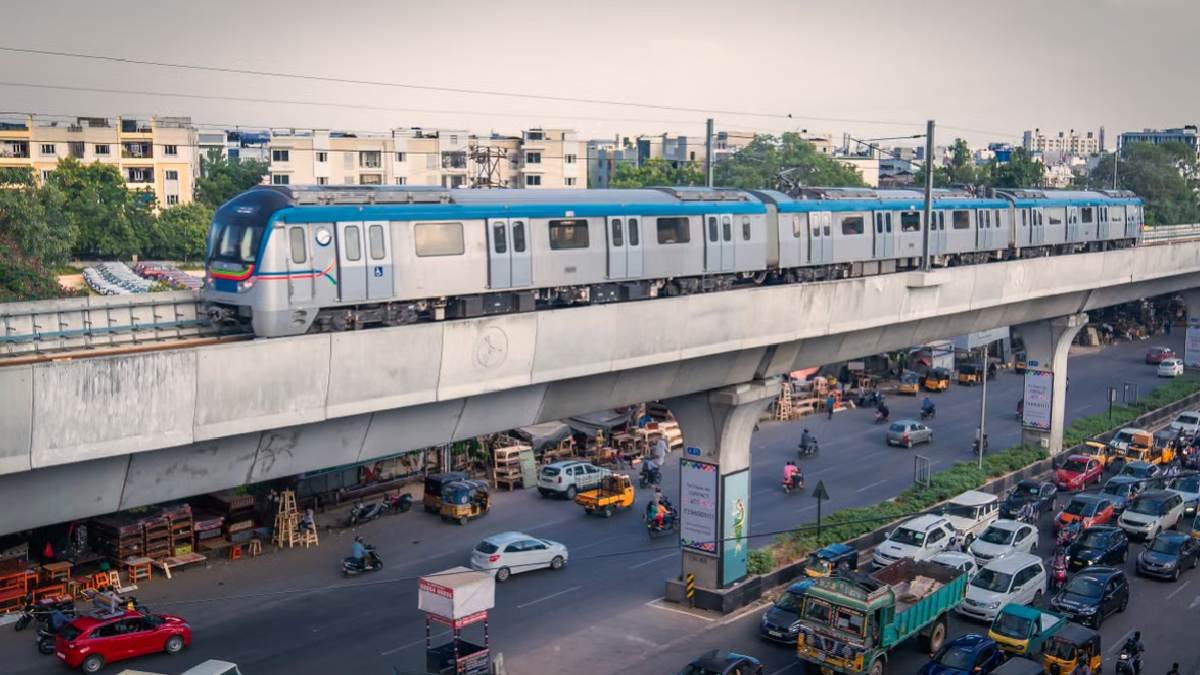
The Phase 3 project consists of two major corridors (around 45 km in total length) to be built. The first is planned from Kempapura to JP Nagar, mainly along the Outer Ring Road (ORR), and the second is Hosahalli to Kadabagere along Magadi Road. The project will be able to improve connectivity in many of the highly congested parts of Bengaluru and thus offer an alternative mode of transportation.
One of the big problems for the Orange Line is the design of the Orange Line and, in particular, the extent of the planned double-decker infrastructure. BMRCL had earlier proposed a double-decker structure of about 37 km with a road flyover at one end and a metro viaduct above it.
The proposed 37 km double-decker section was estimated to cost around ₹19,700 crore and the state government agreed to pay the entire cost. For the purpose of both road congestion and public transport, the road and metro infrastructure would need to be housed in the same broad structure. The engineering consultancy firm RITES has raised concerns about the double-decker design in the entire corridor.
Based on these suggestions, BMRCL is considering the possibility of reducing the double-decker section from 37 km to around 11 km. If the structure was to be constructed in the whole route, shorter sections could be created at the chokepoints and critical junctions where the infrastructure is required.
One of the biggest concerns in the review is that an ever-increasing road capacity could make the reliance on private vehicles more on the rise. The metro expansion in Bengaluru is for faster connections and to get people to switch from private vehicles to public transport. RITES has warned that extensive road-capacity expansion would be an end to that, as well as the engineering challenges of building a road and metro system on the same structure.
At some key points in the city the combined structure could be about 35 metres high to cross flyovers and metro facilities. Such a structure could be more challenging to build and more expensive to maintain.
Economic viability is another aspect of the double-decker proposal being considered in the review of the double-decker proposal. The Economic Internal Rate of Return (EIRR) of a metro-only project is 17% according to the assessment, but the EIRR is below 14% when the double-decker component is added.
This has made the authorities look more selective rather than going all-in on the double-decker model and applying it on all parts of the whole corridor. Some of the traffic pressure points, the double-decker segments could be considered to be shorter. These include Hebbal, BEL Circle, Goraguntepalya, Sumanahalli Cross, Nagarabhavi, Nayandahalli and Kamakya Junction, Sarakki Junction, Delmia Flyover and the surroundings of Vega City Mall.
The final locations, however, would depend on a number of technical and planning assessments.
The double-decker proposal is also not viewed as the only possible solution to the traffic problem in these areas. The Bangalore Development Authority (BDA) has proposed a six-lane tunnel road connecting Kanteerava Studio through Goraguntepalya to BEL Circle to provide an alternative route and relieve the pressure on existing roads.
BDA has invited tenders for preparing a Detailed Project Report (DPR) for the tunnel project.
In the context of the redesign and the scope of the double-decker sections, the bigger challenge is to integrate metro expansion, road infrastructure and long-term traffic management without the duplication or conflict of work. For Bengaluru, the technical and planning challenges of Phase 3 need to be overcome to enable the long-awaited 45 km metro expansion of the city to proceed with the ultimate aim of boosting public transport.