The Union Cabinet, headed by Prime Minister Narendra Modi, approved the BHAVYA Rasayan Scheme at a capital outlay of ₹3,030 crore, in a first step towards the formulation of the chemical manufacturing ecosystem in India.
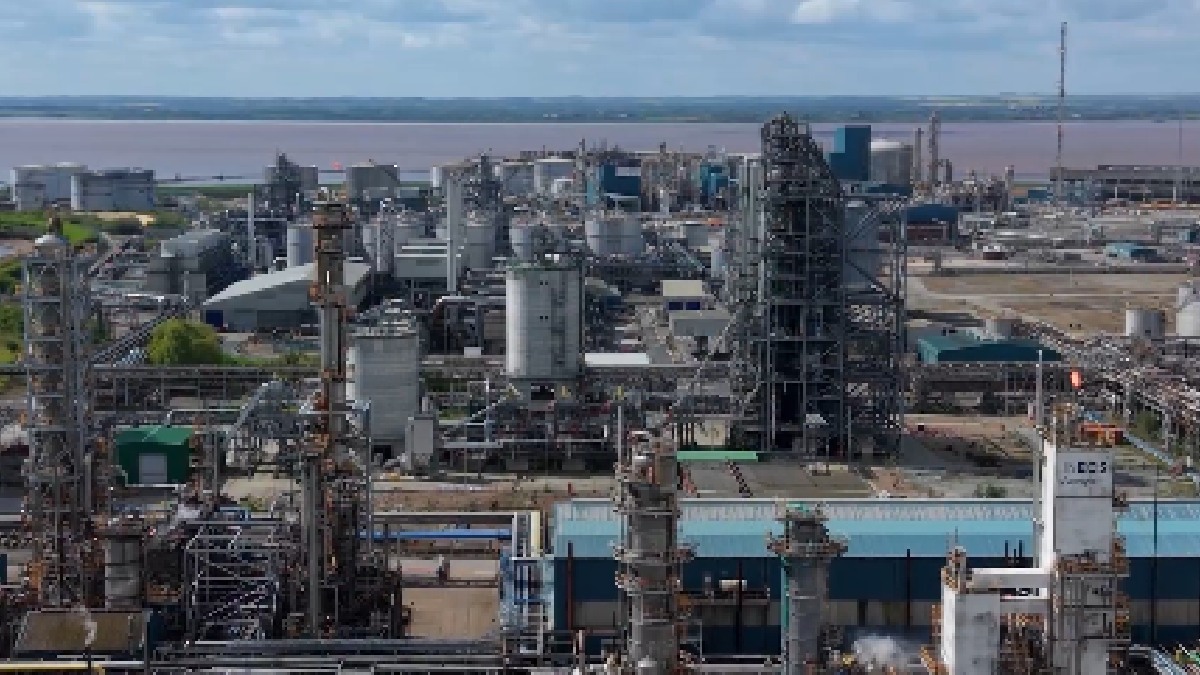
The project will help to have three dedicated chemical parks in India that will offer world-class industrial infrastructure for chemical companies and promote a large investment in the chemical industry where it will make them both a priority.
The scheme will change India’s chemical industry and integrate manufacturing hubs with modern infrastructure, common utilities, and shared environmental facilities. The parks can be used to optimize operations, cut production costs, and increase the global competitiveness of Indian chemical manufacturers.
According to the government, the BHAVYA Rasayan Scheme aims to plug the infrastructure gaps which have been a barrier to the growth of the domestic chemical industry. Through a series of industrial facilities, we are seeking to attract both domestic and international investors to set up manufacturing units in India.
One of the primary objectives of the scheme is employment generation. The establishment of large-scale chemical parks will create thousands of direct and indirect jobs during the construction and operation phases.
So it will be helpful to the regional economy as well as to the national industrial growth strategy for India as well.
This also fits the government’s vision of Atmanirbhar Bharat (Self-Reliant India), which is to encourage domestic production and reduce dependence on imports of chemicals and related products. A stronger domestic manufacturing base will improve supply chain resilience and increase India’s export potential in the global chemical market.
The Union Cabinet under the chairmanship of Hon'ble Prime Minister Shri @narendramodi ji has approved the BHAVYA Rasayan Scheme with an outlay of ₹3,030 crore for the development of three dedicated chemical parks across the country.
— Dharmendra Pradhan (@dpradhanbjp) July 24, 2026
The scheme will help build quality industrial… pic.twitter.com/BpZDHZy5OK
Environmental sustainability is another core focus of the BHAVYA Rasayan Scheme. Instead of individual industries building their own waste management and utility systems, the parks will provide shared environmental infrastructure such as effluent treatment plants, waste management systems, and utility services.
This would reduce the environmental impact and also reduce operational costs for industries in the parks.
Such integrated chemical parks, according to experts, can help meet environmental standards, and their integrated chemical parks can ensure that industry’s compliance with environmental standards by making manufacturing much more efficient and sustainable.
Common infrastructure will also make production processes more efficient, and production in the same common infrastructure will lead to cleaner technologies and resource-efficient production processes.
India's chemical industry is one of the key suppliers of raw materials to a number of sectors (pharmaceuticals, agriculture, textiles, automobiles, construction, and consumer goods). It has the potential to boost the country’s manufacturing capacity and the country’s position as one of the top global investment destinations with the creation of industrial parks.
The approval of the BHAVYA Rasayan Scheme is evidence of our government’s continuous focus on industrial modernization and infrastructure-led economic growth. And through investment incentives, sustainable infrastructure, and employment opportunities, the initiative aims at creating a more competitive chemical manufacturing industry.
The three chemical parks that will be launched in the near future will be major industrial hubs and will serve to drive long-term economic development and help India to remain an important player in the international chemical industry.