Karnataka government has ordered the immediate closure of three industrial firms in Bidar’s Humnabad Industrial Area over allegations that untreated chemical waste is being discharged into local water bodies. This comes as residents complain of the foul-smelling effluents flowing into a river at Maniknagar and then coming into the Guruganga and Manjra rivers.
State Rural Development and Panchayat Raj Minister Eshwar Khandre, who is also in charge of Bidar district, directed the Deputy Commissioner to issue closure orders against M/s 6H Industries, M/s Sathyadeepthi K. Industries and M/s Himalaya Industries. The minister has also sought a compliance report from the district administration within 24 hours, signalling an immediate government response to the pollution allegations.
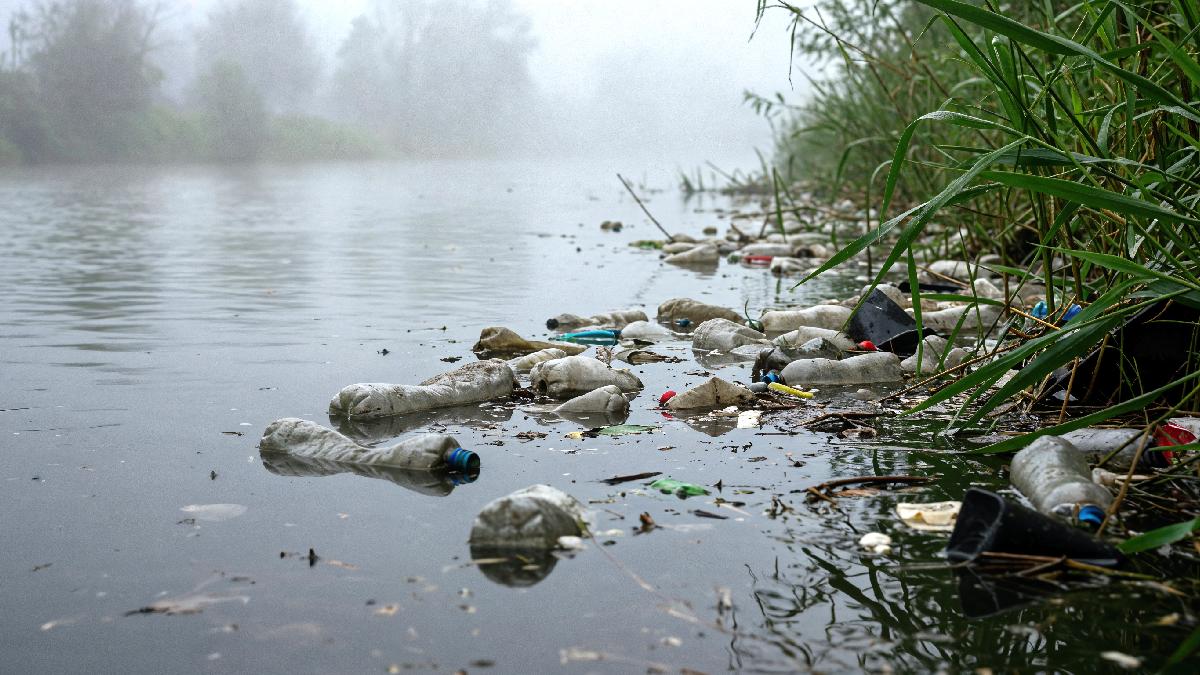
The issue has caused residents of and around the affected areas to express great concern. According to the authorities, chemical-laden effluents with a strong and foul smell were allegedly being discharged into a stream near Maniknagar. The stream eventually connects with the Guruganga and Manjra rivers and the impact of industrial waste on the regional water system is expected to be widespread.
Residents also said that long-term contamination has affected people and livestock. Protests, rallies and public meetings have been held in the area as part of the “Save Guruganga” campaign (for industries in the vicinity of the city to be held to account for polluting water sources). This has prompted new concern about industrial waste management in the Humnabad area.
Khandre expresses serious concerns about the effect on Karanja backwaters. The stream carrying the industrial discharge would eventually get to the backwaters which are a main water source in the region. Contamination of this reservoir would therefore have implications for a lot more than the industrial area, particularly if it causes pollution in one of the sources of drinking water, or for other domestic uses.
Khandre directed the district administration to take action against any industrial units which were found to be releasing untreated waste into water sources. He also mentioned section 152 of the Bharatiya Nagarik Suraksha Sanhita (BNSS), 2023, as part of a plan to take urgent measures to prevent public nuisance. And we have asked the administration to protect the water sources affected by environmental problems and take legal action against those found to be violating environmental rules.
The new closure order follows Khandre’s instructions on August 5, when he was brought to his attention of the pollution issue. At that time he had ordered district authorities to test the water, initiate legal proceedings against industries found discharging waste, protect the affected water sources and submit an action-taken report within 48 hours.
The minister also recalled the government’s action in the past on industrial pollution in Humnabad. Khandre said that when he was the state’s forest minister, complaints from the residents had led to an investigation and action under the rules. It was said that on July 29, 2024, the Deputy Commissioner had asked the Humnabad Tahsildar to seal nine industries which were found to be responsible for pollution.
The issue was also raised by local political leaders. Humnabad BJP MLA Siddalingappa Patil said residents in his constituency had to deal with industrial pollution for over 15 years. He said they had asked governments of all these years to take strong action against the factories accused of polluting the environment.
Patil also said that during Khandre's first term as forest minister, a committee was formed to investigate pollution complaints and more than 14 chemical factories were shut down. But he added that the issue had not been fully resolved and industrial pollution had continued to affect neighbouring villages.
So the latest government action is seen as yet another attempt to resolve a long-standing environmental dispute in the Humnabad region. Although the immediate closure of the three units is to avoid any further alleged discharge, it will be the administration’s water testing and compliance reports that will be crucial to see if more industries need to be concerned and are to be punished.
For residents, the main concern is the safety of local water sources and the potential for industrial pollution and long-term damage on drinking water. With the affected stream linked to the Guruganga, Manjra and ultimately the Karanja backwaters, monitoring and conservation in nature will continue with environmental control and enforcement to avoid further contamination and bring confidence to people living in the industrial region.