Blinkit customers are raising fresh questions about food safety after a video allegedly shows a live rat inside an ice cream storage crate at a Blinkit outlet in Kalyan, Maharashtra, that has gone viral online. Just days after the Maharashtra Food and Drug Administration (FDA) took action against a Blinkit facility in Mumbai over reports of cockroach infestation and improper food storage, hygiene standards at quick-commerce warehouses are in the spotlight.
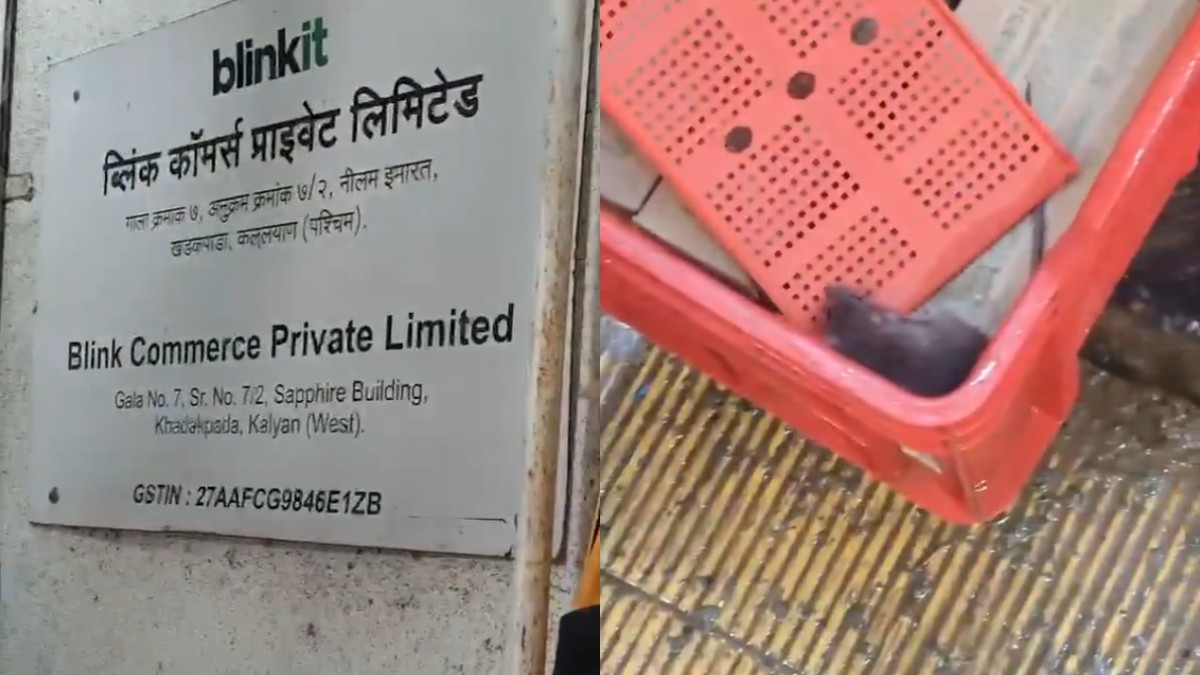
The latest incident was reported to have occurred at a Blinkit store in Kalyan’s Godrej Hill neighborhood. In a viral video, a rat moves inside an ice cream storage crate. The video has raised consumer concerns about frozen food storage and handling. But there is nothing in the video that shows any specific ice cream product was contaminated or that customers actually ate it.
So this was significant. In August, Maharashtra's FDA suspended the food licence of a Blinkit facility in Mumbai after inspectors detected a cockroach infestation and improper storage conditions. It was part of a wider enforcement drive targeting food businesses and quick-commerce facilities across the state.
From Cockroaches to Rats: Why consumers are concerned
The concern isn’t just seeing a pest in a store. Ice cream and other frozen products must be kept at a controlled temperature and handled hygienically throughout storage and delivery. If there is a pest infestation in a storage facility, consumers may reasonably ask if food packaging, storage areas, and surrounding surfaces are in good order.
The Maharashtra FDA’s wider crackdown has demonstrated how hygiene problems can occur at different stages of food storage and retail. Inspections of 86 establishments were made across the state; 60 improvement notices were issued and 12 warehouse licences or permits suspended in relation to cockroach infestations, rodent droppings and other sanitation problems, Reuters reported. Major quick-commerce players included Blinkit, Swiggy Instamart, and Zepto.
That does not mean that every product ordered through Blinkit is unsafe. Blinkit claims to deliver ice cream and frozen desserts in almost all cities where it operates and to use products from established brands like Amul, Kwality Wall's and NIC. Its platform also operates through a network of partner stores and fulfilment locations.
The key problem is to ensure the hygiene of individual storage facilities rather than the safety of every ice cream product sold through the platform.
Packaging is one of the first lines of defence for consumers. A customer should check when eating ice cream delivered through any quick-commerce service if it is well sealed, not damaged, and the expiry date is not past. If the product has melted and been refrozen, if the container has been deformed, or the texture is very different, be warned.
Additionally, consumers should look at the delivery itself. If the packaging is opened, damaged, or tampered with, it is safer not to consume the product and to report it to the platform and/or the product manufacturer.
What do the recent incidents really tell us?
The recent cases do not prove that Blinkit regularly delivers contaminated ice cream. But it does show why hygiene inspections and regulatory oversight are important as quick-commerce companies grow their network of small fulfilment centres and partner stores.
The issue goes beyond Blinkit. Maharashtra’s recently stepped-up enforcement has unearthed hygiene violations in restaurants, food outlets and retail stores. In July, the FDA suspended the licence of Mumbai’s popular K Rustom & Co after inspectors found live rats, flies, expired flavouring agents and lapses in cold-chain maintenance. Food samples were sent to laboratories for testing.
Frozen food is very important for the cold chain. A product can leave a manufacturer in good condition, but if the storage temperature isn't maintained, a product can become unstable. Blinkit’s own recommendations are that frozen products should be stored at the same temperature to maintain quality.
Rat was spotted inside an ice cream freezer at a #Blinkit store in Godrej Hill, Kalyan West, Thane.
— Varun Bhasin (@varunbhasinji) August 16, 2026
The incident reportedly came to light when a group of children visited the store to buy ice cream and noticed a rat moving inside the freezer near packaged food products.
The… pic.twitter.com/OgSC1HyqrJ
But the viral rat video should be viewed as a food-hygiene warning, not proof that Blinkit ice cream is unsafe. What matters now is whether the specific outlet involved is inspected, whether affected products are identified, and whether corrective action is taken.
The safest way is to look at the packaging before consumption, avoid products that appear damaged or improperly stored, store frozen products refrigerated or frozen immediately after delivery, and report suspicious products with photos and order details.
The increasing scrutiny also puts pressure on quick-commerce organizations to ensure that speed does not come at the cost of food safety. It’s nice to deliver ice cream in minutes, but what consumers really want now is something simpler: that the food they deliver to their front door has been stored safely, handled hygienically, and is safe to eat.