Karnataka is set to introduce a new digital mechanism that would make it easier for the public to lodge complaints against hotels and medical stores. QR codes will be required at hotels and medical shops where one can scan the code with the phone in hand and file complaints in advance, the initiative says.
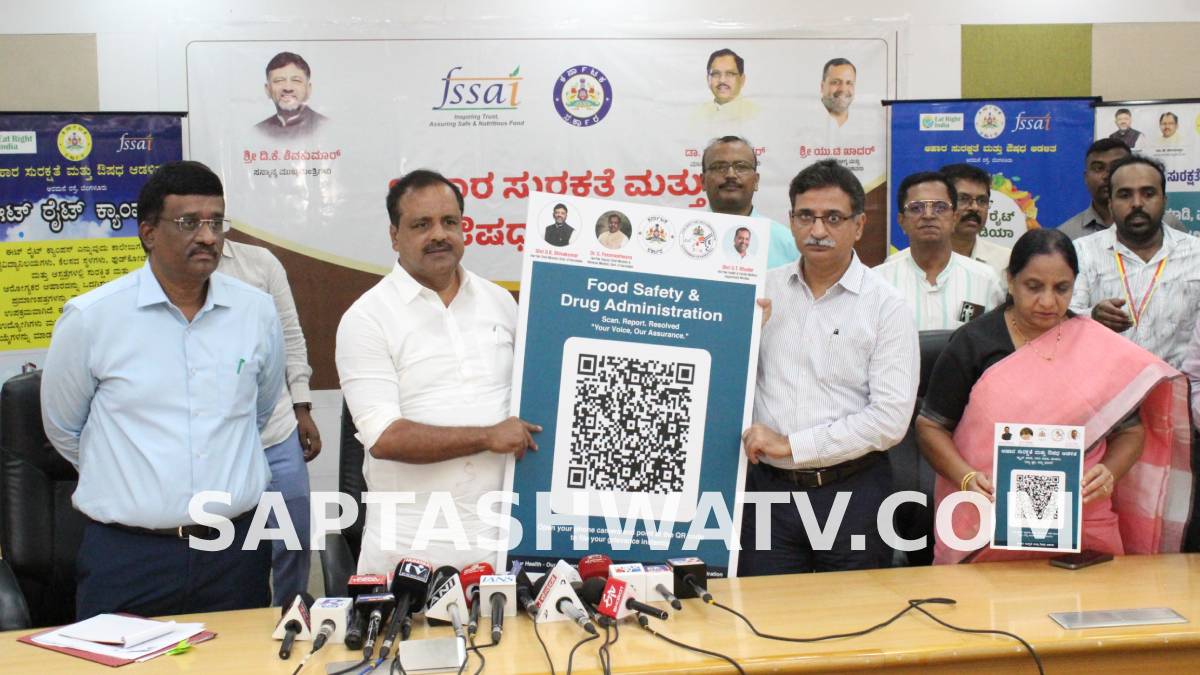
The initiative is being interpreted as a first-of-its-kind effort in Karnataka to simplify the complaint process and make it more accessible to ordinary citizens. And instead of searching for the concerned department or visiting government offices to report a problem, members of the public will be able to use their mobile phones to raise an issue by simply scanning a QR code displayed at the establishment.
The system is expected to provide a convenient channel for consumers who encounter problems related to services, hygiene, quality, pricing or other irregularities at hotels and medical stores. Once the QR code is scanned, users can reportedly submit details about the issue through the digital complaint mechanism.
No Need to Search for Officials
So at present, people who wish to complain about a hotel, restaurant or medical store will have to find the relevant authority, know the contact details and make the complaint. And that might also discourage some people who are only concerned with small but important problems.
In this manner, the QR-code-based system will remove such hurdles. The customer can scan the code at the establishment and immediately access the complaint center. That would make the process faster and more convenient and also encourage greater public involvement in monitoring services.
The initiative might also be useful for food safety, hygiene standards, and other problems at hotels. Customers in medical stores could certainly make their concerns about the sale or availability of medicines, as well as other violations, known to the relevant regulatory authorities.
Digital technology to enhance the effectiveness of public monitoring
As the government begins to use digital technology for public services and grievance redressal, mandatory QR codes are a further step in the right direction. With smartphones ubiquitous and a way to get citizens to know government systems at an immediate level (QR codes), it is now possible to communicate with government systems on this basis.
It would also enhance accountability among the establishments. If customers have a mechanism to report problems, hotels and medical stores could be much more aware of needing to adhere to the standards and be responsive to consumers.
For the government, a centralized digital complaint system could make it easier to track complaints, identify establishments receiving repeated complaints, and take appropriate action based on the nature of the violations.
The initiative is therefore expected to benefit consumers and regulators. Citizens would find a simpler way to complain, and officials could get information from the public and use it to enhance inspections and enforcement.
Karnataka's First Such Initiative
The proposed system is being described as a new initiative in Karnataka, particularly because it puts the complaint mechanism directly at the point where consumers interact with businesses. Mandatory QR codes would make sure people don’t have to turn to helplines, websites, or go to government offices.
Details about the implementation process, the departments involved in the complaints, the format of the QR codes and when they will be mandatory will become clear as the initiative gets implemented.
If implemented properly, the system could also be used to give people in Karnataka a more transparent and convenient means to report problems. QR technology would also help authorities to respond to complaints more quickly and better and to monitor hotels and medical stores in the state.
For the public, the message is simple: scan the QR code, report the problem and let the concerned authorities take it forward—without the need to search for an official in person.