Bengaluru Water Supply and Sewerage Board (BWSSB) has adopted stricter water conservation measures by curtailing the use of drinking water for several non-essential activities: washing vehicles, watering gardens, filling swimming pools, and cleaning roads and public spaces.
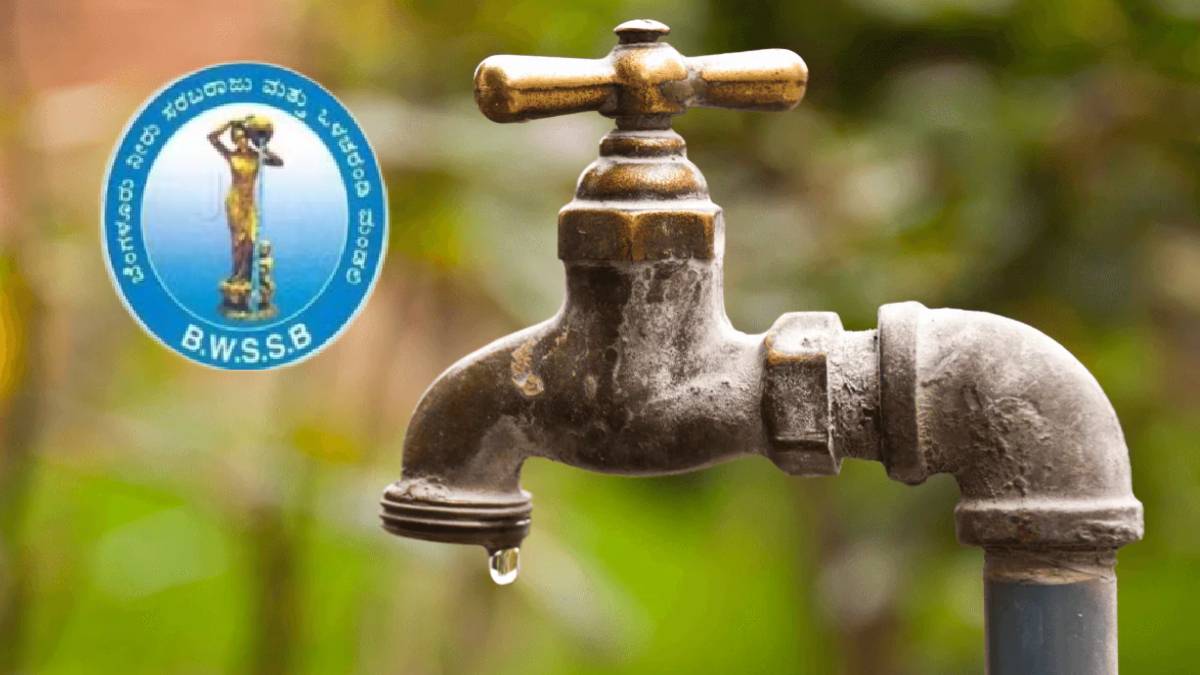
The new directions aim to minimize the waste of water and to build long-term water security in Bengaluru. The restrictions come as rainfall patterns are concerning, groundwater levels are declining, and water demand is rising in the city’s fast-growing population.
As of today’s order, drinking water cannot be used for washing cars and other vehicles, watering gardens, cleaning roads and footpaths, or filling swimming pools. Treated water or other approved alternative sources should be used for such purposes wherever possible.
The BWSSB has also made the installation of flow restrictors or water-saving aerators mandatory in buildings that consume water. This includes residential houses, apartments, commercial establishments, government offices, hotels and industrial premises.
Aerators are devices that are connected to taps that control water flow in a way that is still usable. Flow restrictors (flow limiters) can significantly reduce water consumption and avoid wastage (BWSSB) without negatively affecting daily life.
The water board has warned that violations of the new directions may bring a ₹5,000 penalty. Violations could lead to a daily penalty and further legal action under the relevant provisions of the Bangalore Water Supply and Sewerage Act.
Besides the financial penalty, the BWSSB may reduce the water supply to premises found to be in breach of the rules by up to 50%. Supply reduction could also be considered in cases of non-compliance with the mandatory aerator requirement.
The proposed measures are to ensure drinking water is prioritised so that drinking water is available in the home and in the community. Bengaluru has seen a great deal of water problems in recent years, as there has been a population density increase, depleted groundwater in some areas and unpredictable rainfall placing additional pressure on the city’s water resources.
The restrictions also encourage more use of treated wastewater for activities that do not require potable water. Car washing, gardening, road cleaning, construction-related work and swimming pool maintenance can frequently be performed with treated water or other suitable non-drinking-water sources.
The BWSSB’s recent order emphasises the need for responsible use of water at the home and in institutions. And while these restrictions may require changing daily habits, it is claimed by the board that saving water is needed to ensure Bengaluru’s drinking water supply.
The installation of aerators is expected to reduce consumption. Even small cuts in the flow of water at individual taps can result in significant savings, even in residential buildings, office buildings, hotels and commercial buildings.
The new rules have placed a greater amount of responsibility on property owners, apartment associations, businesses and public institutions to monitor water usage on their property. Water use for prohibited or non-essential purposes is not allowed.
The BWSSB has made it clear that the measures are not only intended to address immediate concerns but also to promote long-term water conservation. The board believes that the restrictions will encourage residents to adopt more sustainable practices and reduce dependence on potable water for activities where alternatives are available.
When Bengaluru is under increasing pressure from its water resources, the success of the new measures will depend on public awareness, access to treated-water alternatives and effective enforcement.
And now, residents and establishments must follow the new advice to install water-saving aerators and avoid using drinking water for non-essential purposes. Violators will be fined up to ₹5,000, and water supply will be reduced by 50%.