In a big boost to India’s aspirations to become a worldwide semiconductor manufacturing powerhouse, the Union Cabinet has approved ₹1.27 lakh crore for Semiconductor Mission 2.0. The ambitious project will help to boost domestic chip manufacturing, attract global technology firms, drive advanced semiconductor research, and develop a robust electronics supply chain.
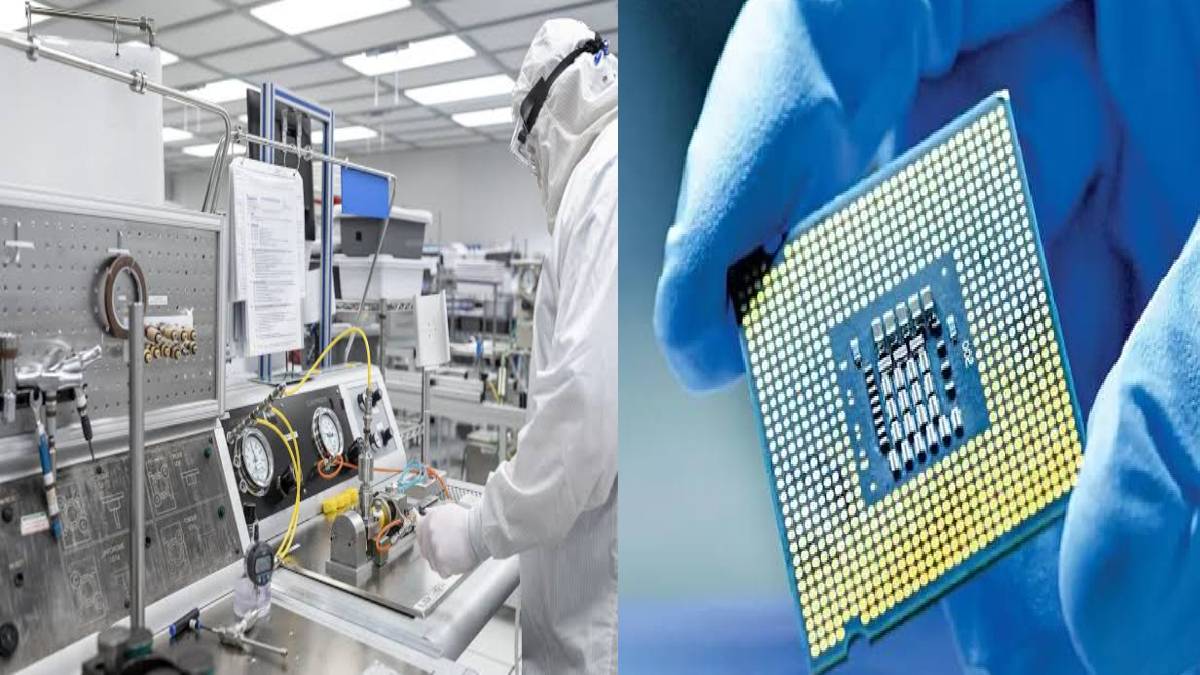
Such approval is one of India’s largest investments in the semiconductor field in the long term and is consistent with the government’s plan to reduce reliance on imported chips while also creating a robust domestic manufacturing ecosystem.
🚨 Cabinet approves ₹1.27 lakh crore for Semiconductor Mission 2.0
— Bharat Ka Sach (@BharatKaSach_) July 15, 2026
Here's what's new 👇 pic.twitter.com/CjN98VIsjp
Semiconductors are the backbone of modern technology: smartphones, laptops, automobiles, industrial machinery, telecommunications equipment, artificial intelligence systems, medical devices, and defense technologies are the basis of all of them. With the increasing demand for advanced chips in the world, countries are investing heavily to create reliable semiconductor supply chains.
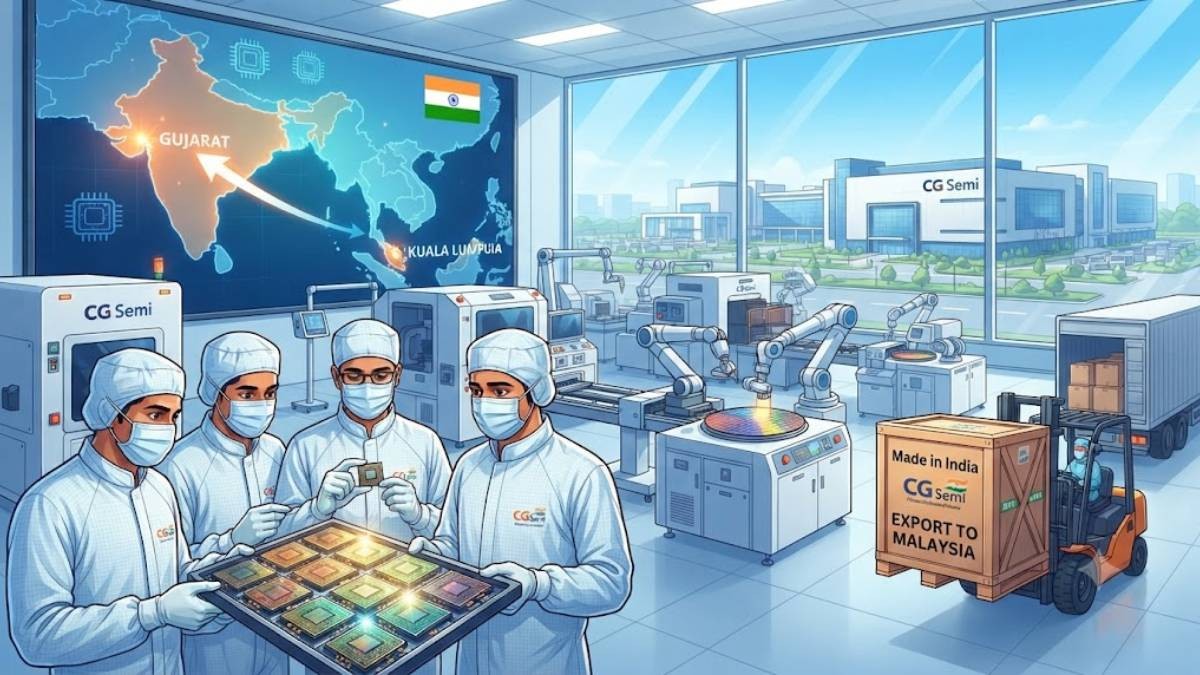
Semiconductor Mission 2.0 builds on the foundation of the first semiconductor mission, which attracted significant interest from domestic and international companies looking to build fabrication plants, assembly units, testing facilities, packaging operations, and component manufacturing in India.
The newly approved ₹1.27 lakh crore package is expected to support multiple areas of the semiconductor value chain, including wafer fabrication, chip packaging, testing, compound semiconductors, display technologies, research and development, design innovation, and workforce development.
One of the primary objectives of the mission is to encourage global semiconductor companies to set up manufacturing plants in India through financial incentives, infrastructure support, and policy stability. In the absence of a competitive business environment, India will be able to attract big foreign direct investment and bring home companies to expand their capabilities.
The mission also aims to strengthen India's semiconductor design ecosystem. India already has a solid talent base for chip design, with thousands of engineers in the world’s semiconductor industry. The next step is to turn this design knowledge in the country into manufacturing and innovation capacity.
Supply chain resilience is a key concern. The global semiconductor shortage in the wake of the COVID-19 pandemic highlighted the vulnerability of reliance on a few manufacturing hubs. To curb supply risks and maintain the country’s domestic production system, India is focusing on automotive production, consumer electronics, renewable energy, aerospace, telecommunications, and defense.
The initiative will create thousands of high-skilled jobs in semiconductor fabrication, equipment manufacturing, research, design, quality assurance, logistics, and other industries as well as in the industry. Universities and technical institutions should also play an important role in creating specialized training programs for the next generation of semiconductor engineers.
Semiconductor Mission 2.0 will also help India to be competitive in the global electronics industry, and industry experts believe that Semiconductor Mission 2.0 will improve India's competitiveness in the electronics industry. Higher domestic chip production would not only cut dependence on imports but also make India an export-oriented manufacturing destination and strengthen India’s position as a manufacturing destination.
The programme is in good alignment with government flagship programs such as Make in India, Digital India, Atmanirbhar Bharat, and the overall goal of building advanced manufacturing capabilities in strategic sectors.
Several international technology companies have announced semiconductor-related investments in India in recent years, such as chip assembly, testing, packaging, and research facilities. With a larger mission, we’ll see more investments and more international partnerships as well.
In addition to economic benefits, semiconductor self-reliance has become a strategic priority. Chips are vital for national security, defense systems, telecommunications networks, space technology, and critical digital infrastructure. Increasing domestic manufacturing capabilities increases technological sovereignty and reduces exposure to global supply disruptions.
The approval of ₹1.27 lakh crore for Semiconductor Mission 2.0 shows the government’s interest in making India a top technology hub around the world. If it can promote manufacturing and innovation, talent acquisition, and supply chain expansion, it’s going to change India’s technology landscape and propel it forward on an economic basis.
If implemented successfully, Semiconductor Mission 2.0 could position India as one of the world’s leading semiconductor manufacturing destinations and build up India’s digital economy and the technology ecosystem globally.