The fertile Cauvery Delta, which is referred to as the “Rice Bowl of Tamil Nadu” is in the midst of one of its toughest agricultural seasons in recent years.
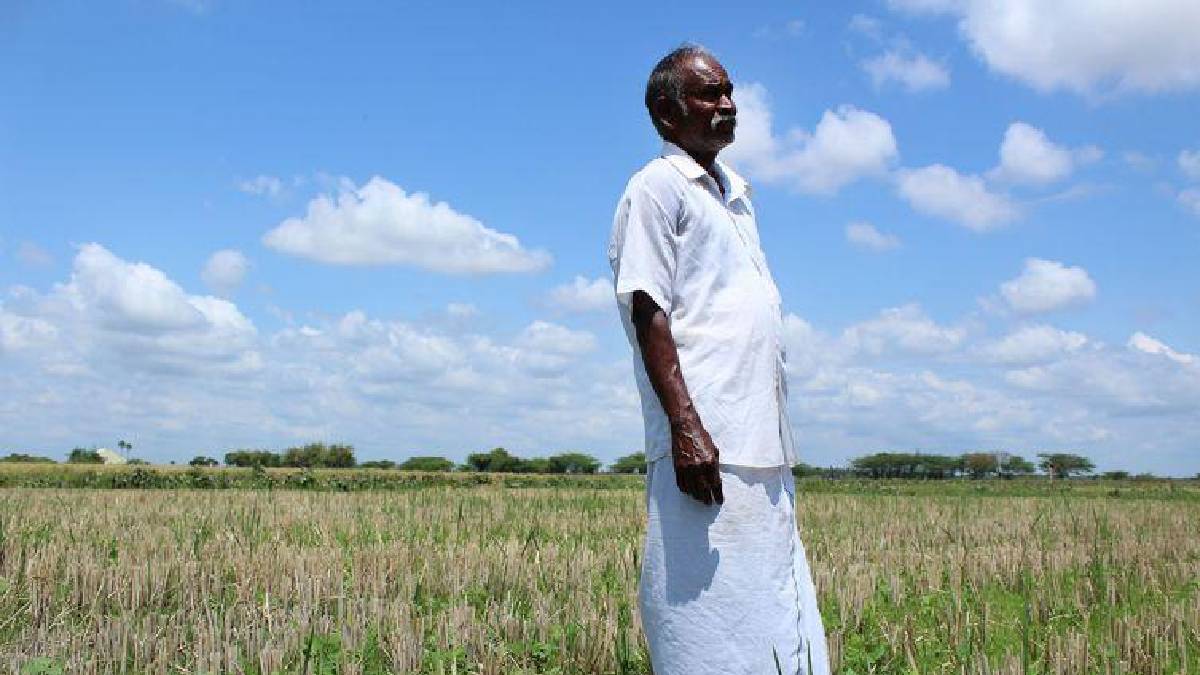
Farmers in Thanjavur, Tiruvarur, Nagapattinam and Mayiladuthurai are facing challenges as a shortage of water and an intense heat wave threaten standing crops and incomes.
The ongoing crisis has been precipitated by insufficient water release into the Cauvery river system, erratic rainfall and rising temperatures. With irrigation canals drying up and groundwater levels falling fast, paddy fields that once flourished are turning brown, and food production and farmer incomes are in danger.
Many farmers say despite investing heavily in seeds, fertilizers and labour, their crops are beginning to wither because of insufficient irrigation. The long dry spell has cracked fields and the scorching daytime temperatures have accelerated moisture loss from the soil.
Agricultural experts say if water supplies do not improve soon, crop losses will become irreversible in some areas of the delta.
The Cauvery Delta depends heavily on timely water releases for cultivation. The usual agricultural calendar has been disrupted by river water shortages or delays, causing farmers to delay or to reduce the area under cultivation. Some even leave fields entirely to avoid financial harm.
Climate experts argue that the hotter weather is making traditional farming more difficult. Heat waves are not only damaging crops but also put pressure on water resources, and that’s a double problem for farmers who already have limited irrigation resources.
The combination has led to the paddy, sugarcane, pulses and vegetable farming sectors being adversely affected.
Farmers’ associations have appealed to the Tamil Nadu government and the Centre for immediate intervention. They have asked for better water management, financial assistance, crop insurance settlements and compensation for damaged crops. Many also want more irrigation facilities and long-term solutions for climate resiliency in the Cauvery basin.
Agricultural scientists recommend water-efficient farming techniques like drip irrigation, laser land levelling, drought-resistant crop varieties, and better rainwater harvesting systems. Modern weather forecasting services are also needed to help farmers plan irrigation and cultivation more effectively.
The crisis extends beyond agriculture. Less crop production will have an adverse impact on food supply chains, rural employment and local economies that depend on farming. Small and marginal farmers are particularly vulnerable because they lack the financial resources to recover from repeated crop failures.
But there is a long-term solution that will have to be found, which is better river basin management, climate adaptation and sustainable groundwater usage to ensure the Cauvery Delta’s future and for the betterment of the people in the river basin.
The coming weeks are critical as temperatures remain high and water scarcity continues.
With so many farming families, how quickly rain or more irrigation can be brought in will decide if this agricultural season is good or bad.