CEC Gyanesh Kumar suspension petition to Supreme Court to be heard next week. It is in spite of a fresh dispute over the Special Intensive Revision (SIR) of electoral rolls by the Election Commission of India. It comes as there are questions on the decision-making process of the poll panel and there are complaints that some decisions were taken without the votes of the other Election Commissioners.
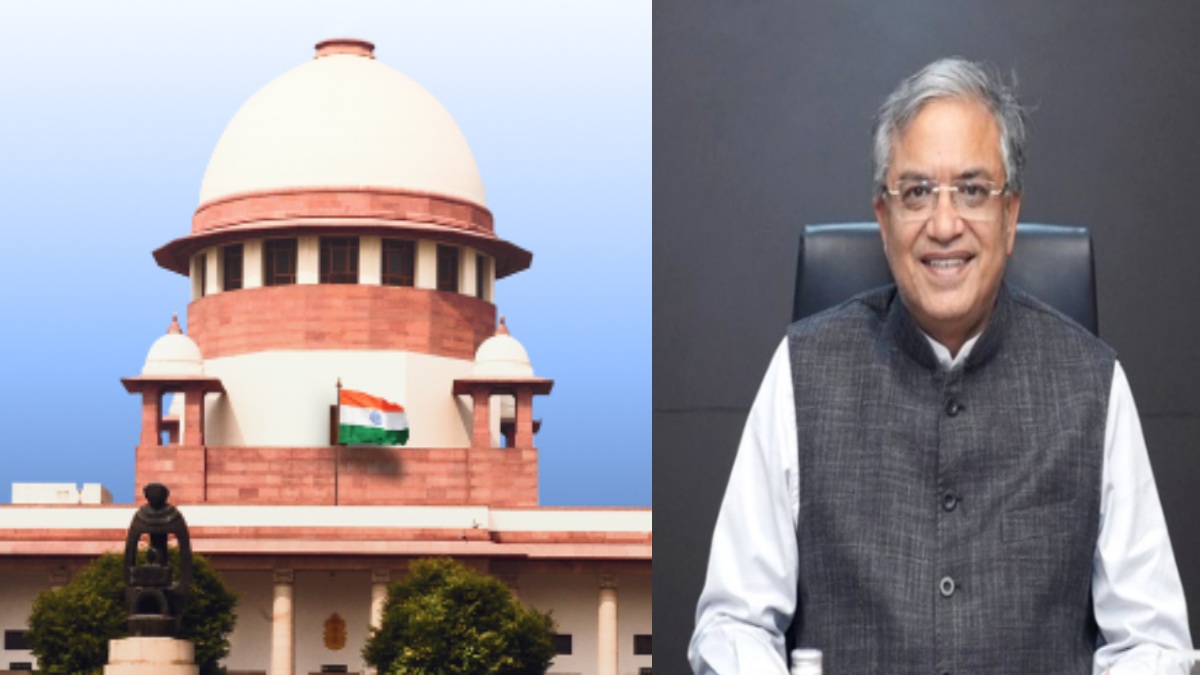
Till now, the complaint is made before the Supreme Court seeking relief, including the suspension of Gyanesh Kumar as Chief Election Commissioner. It also alleges that the Election Commission made some decisions that were not necessarily right and argues that matters which lie in the domain of the Commission should not be made up of the Chair’s decisions alone. The suit was filed under Article 32 of the Constitution.
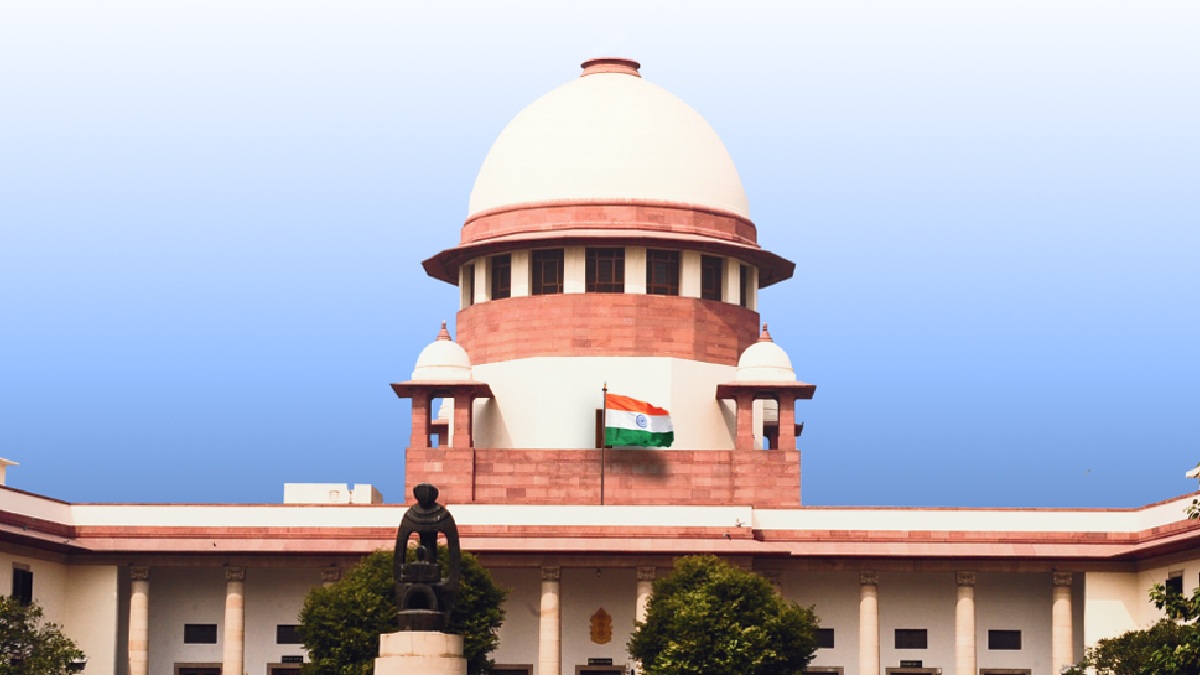
And senior Attorney Vikas Singh raised the issue before a court, headed by Chief Justice Surya Kant of India, and sought an early listing of the petition. The Supreme Court has now agreed to hear the matter next week and will bring the matter of Election Commission functioning to the country’s highest court.
The most controversial is the Special Intensive Revision of electoral rolls, or SIR, of electoral rolls. Voter verification, electoral rolls management and the procedures of the Election Commission have been at the center of debate. The petition says that the decisions on the SIR process were taken despite objections given by Election Commissioners Sukhbir Singh Sandhu and Vivek Joshi. According to the petition, there were objections given by the two commissioners on several occasions between October 2025 and August 2026.
Another petition that was filed earlier in the Supreme Court had claimed that important decisions concerning the SIR exercise, including changes regarding electoral roll software and procedures for Form 6, were made without the consent of the other Election Commissioners. That petition sought to declare that such decisions were unconstitutional and invalid, and a legal investigation into the electoral roll revision process.
Also, the petitioners have voiced concerns about the deletion and restoration of voters during the SIR process. Some petitions have asked for an investigation into the claims of over 13 crore names on electoral rolls and restoration of the earlier Form 6 process. These figures and the allegations are also in the legal claims and should not be seen as findings by the Supreme Court.
The Election Commission has maintained that decisions related to the SIR exercise were made unanimously by CEC Gyanesh Kumar and the two Election Commissioners. This is different from the claims of the petitions, and this will be important in the coming Supreme Court hearing to decide if the legal questions that have been raised by the lawyers will be considered.
This last development does not mean that the Supreme Court has accepted the accusations against the CEC or ordered his suspension. The court has agreed to hear the plea and the issues raised by the petitioners will be looked into through judicial proceedings. The court will take into account the arguments and material before it on the basis of the relief request and will make a decision on that decision.
The case will be in view of the constitutional framework of the Election Commission, the collective power of its members and the electoral roll revision process. It also comes when the SIR exercise is a topic of public and political debate with several different stakeholders with very diverging views on its implementation.
As the Supreme Court debates the matter next week, the proceedings could shed more light on the legal questions surrounding the Election Commission’s internal decision-making process and the allegations surrounding the SIR exercise. Until that court looks into the case, however, the claims in the petitions are allegations and not judicially established findings.