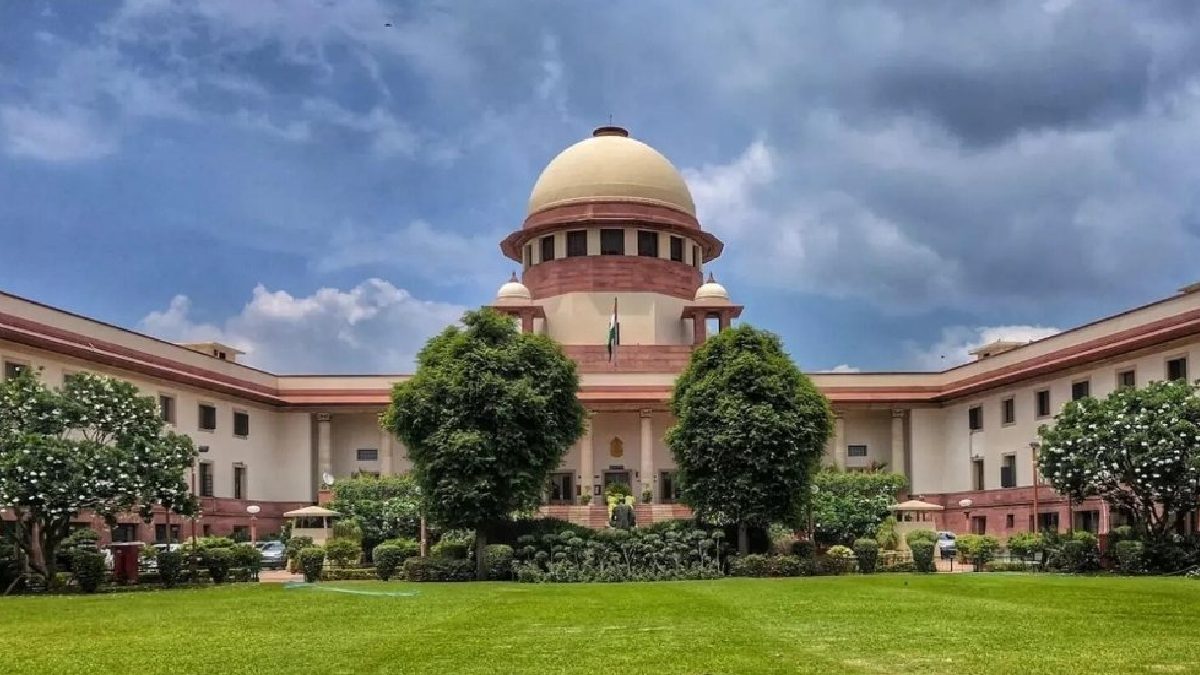
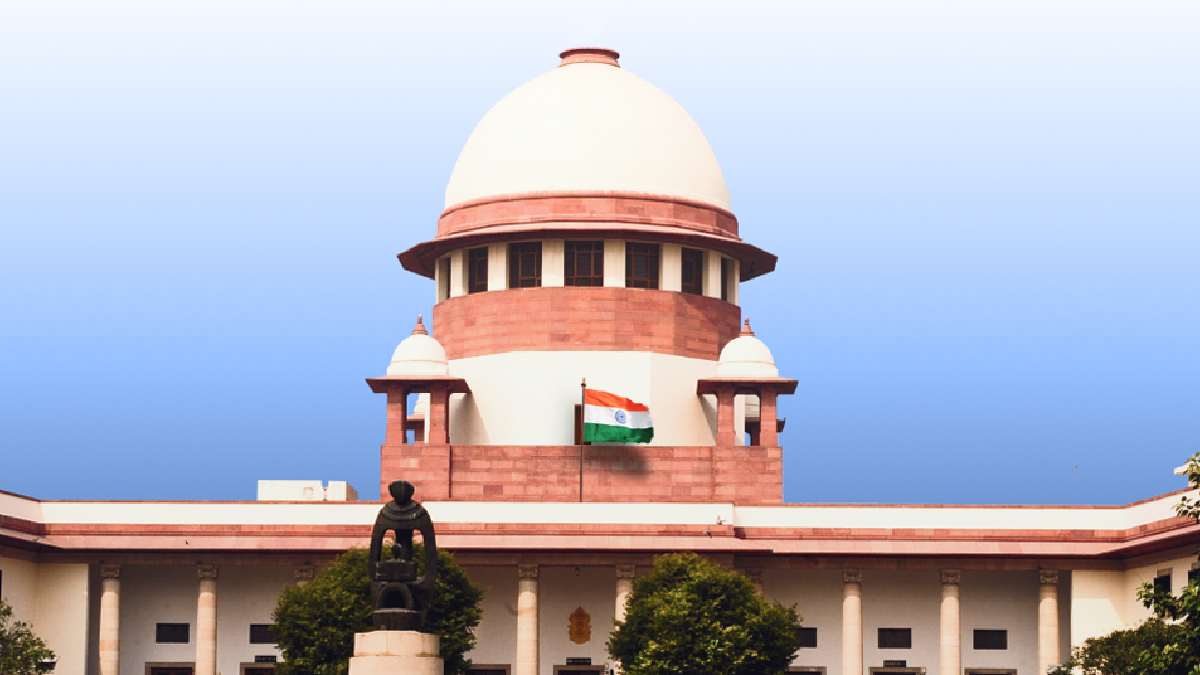
The Supreme Court has raised new questions about the pricing of life-saving medicines since it highlighted a significant gap between the PTR and Maximum Retail Price (MRP) of certain cancer drugs. The court quizzed the Centre on the current drug pricing system and why medicines that are essential are not under stronger price controls on September 29 hearing.
Justice Sandeep Mehta cited an example in which a cancer medicine given to retailers for around Rs 3,000 had an MRP of about Rs 27,000. The difference between the price at which a medicine enters the retail chain and the maximum amount printed on its packaging was stark. A similar case was also brought before the court last year of a cancer drug with a PTR (around Rs 2,700) and MRP (around Rs 27,000).
The court’s concern is how such wide price differences may affect patients undergoing long and costly treatments. Cancer care can be done with repeated treatments such as medicines, chemotherapy, testing and other medical interventions. Large increases in the price of individual medicines can add up significantly to the price of treatment and make it much more expensive for families to pay out of pocket.
The bench also questioned the rationale behind the distinction between essential and non-essential medicines under the existing framework. Justice Mehta asked why such a distinction should continue under the Drugs (Prices Control) Order, or DPCO, when medicines can have a direct impact on patients' ability to access treatment.
Supreme Court Questions 16% Pricing Criteria
One of the main issues in the hearing was whether a uniform margin could be applied to medicines and medical devices. The bench asked why a common criterion of 16 per cent could not be considered instead of allowing significantly wider differences between the PTR and MRP.
The court’s questions are significant, as currently the pricing system does not make every medicine subject to ceiling-price regulation. The petitioners had noted in earlier proceedings that many medicines are outside the scheduled category under the DPCO. The National Pharmaceutical Pricing Authority (NPPA) sets ceiling prices for scheduled medicines and non-scheduled medicines are treated differently under the current system.
The Supreme Court is now considering them in hearings on drug pricing, generic drugs and medical device regulation. There has also been discussion of the initial pricing of non-scheduled medicines and the need for greater transparency in the pharmaceutical supply chain.
Concern Over Corporate Hospital Pharmacies
One of the more controversial issues at the hearing was patients purchasing medicines from hospital-run pharmacies. The bench questioned whether corporate hospitals should require patients to obtain prescribed medicines exclusively from their in-house pharmacies.
The concern is even more acute for a patient who has little choice but to compare prices and purchase the same medicine from another authorised pharmacy. The court also wondered who ultimately bears the cost when such medicines are purchased as part of treatment covered by a government healthcare scheme.
In previous hearings, the Supreme Court had discussed the possibility that inflated medicine prices could increase the burden on government-funded healthcare programmes. If hospitals buy medicines at higher prices and seek reimbursement under eligible government schemes, then there is public money to come in the way. The court had linked medicine pricing with the larger issue of taxpayer-funded healthcare expenditure.
Earlier Hearing Highlighted 10-Fold Price Difference
The matter was particularly underlined in the Supreme Court’s hearing on September 22, when the bench was informed that an essential cancer drug supplied to retailers for around Rs 2,700 carried an MRP of Rs 27,000. The court wondered how such a ten-fold difference could be justified and criticised the lack of adequate regulatory intervention.
The court had also raised questions about medicines purchased under government healthcare schemes at inflated prices. When eligible medical expenses are reimbursed through public schemes, the financial impact can ultimately fall on taxpayers.
In the previous session, the Centre said that the government was committed to affordable access to medicines and was open to improvements in the system. The government also referred to Jan Aushadhi Kendras as part of its efforts to provide medicines at lower prices.
What The Supreme Court Is Examining
The proceedings could influence the way in which medicine prices are regulated in India. The court is examining price controls for non-scheduled medicines, margins across the pharmaceutical distribution chain, prescriptions for generic medicines, and pricing of medical devices.
For patients, the main issue is the difference between the actual cost at different stages in the supply chain and how much money they will have to pay. The Supreme Court’s observations are that it will expect the Centre and other authorities to justify whether the existing framework is effective to stop excessive markups on life-saving medicines.
The case does not in itself establish a new nationwide 16 per cent price cap. Rather, the court has questioned the Centre on why a uniform criterion could not be considered and has sought clarity on the regulatory framework. Further proceedings will determine what changes, if any, may be required in India’s medicine-pricing system.
The Supreme Court’s scrutiny has put cancer drug affordability at the centre of a larger conversation over pharmaceutical pricing, hospital pharmacy practices and the use of public funds for healthcare. With time the court’s questions could be directed to how drug prices are controlled, monitored and passed on to patients.