The central government has rejected Karnataka government’s proposal to use CAMPA (Compensatory Afforestation Fund Management and Planning Authority) funds for the movement of villagers from Kudremukh region, triggering renewed discussion about forest conservation, wildlife conservation, and rehabilitation of people living in ecologically sensitive areas. The decision will affect the state’s plans to move families into protected forest areas and to provide alternative funding mechanisms for rehabilitating them, and will be an uncertain one.
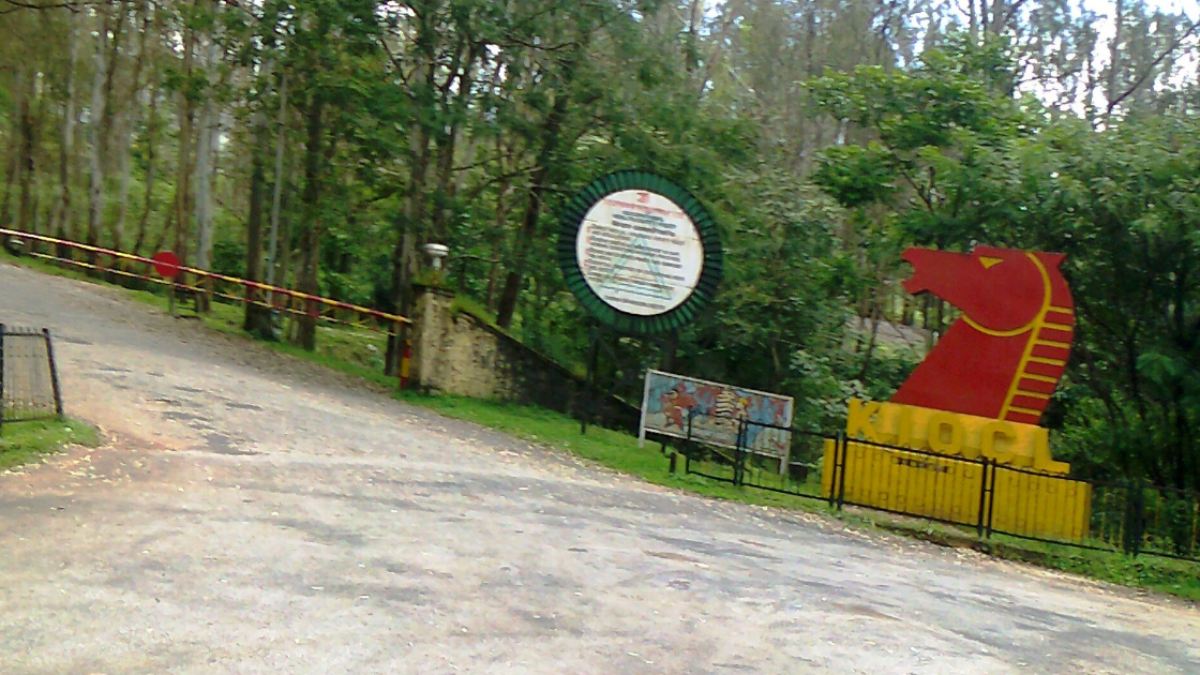
Kudremukh is situated in the Western Ghats of Karnataka and is one of India’s most ecologically significant regions and part of the Kudremukh National Park. A biodiversity hotspot with dense forests, rich wildlife, and lots of endemic species, this park is home to tigers, leopards, elephants, gaur, sambar deer, lion-tailed macaques, and many bird and reptile species. It is also an important watershed, with several rivers originating from its forested hills.
The Karnataka government also suggested using CAMPA funds to relocate villagers in parts of the protected area. Relocating willing families would reduce human-wildlife conflict, enhance conservation efforts, and enhance habitat connectivity for wildlife, said officials. The proposal sought to provide better housing, infrastructure, education, healthcare, and livelihood for relocated families outside the core forest area.
However, it is believed that the Centre declined the offer as CAMPA funds are governed by specific laws and are primarily for compensatory afforestation, forest regeneration, wildlife conservation, and ecological restoration. Under the current framework, any CAMPA funds are subject to guidelines, and expenditure outside of the approved categories must be kept in compliance with the rules and regulations.
But the rejection means Karnataka may now have to find alternative financial resources if it hopes to carry out the proposed relocation programme. State officials will review other centrally sponsored schemes, state-funded rehabilitation interventions, or wildlife conservation initiatives that may assist with voluntary relocation efforts.
Relocation from protected areas has long been a sensitive issue in India and needs to take into account the conservation of habitats, but also to protect the rights and welfare of local people. Wildlife experts make the case that the removal of humans from the most important habitats can improve biodiversity conservation, reduce habitat fragmentation, and decrease human-wildlife conflict. At the same time, social activists stress that relocation should be entirely voluntary, transparent, and be accompanied by proper compensation, livelihood help, housing, education, healthcare, and long-term rehabilitation.
Several villages still exist in or around protected forest areas across India because of the historical settlements established long before wildlife sanctuaries and national parks were notified. In many cases, people depend on agriculture, livestock, and forest-based livelihoods for survival. Conservation authorities therefore have to balance biodiversity protection and local people’s well-being and rights to be served.
Researchers say the Western Ghats -- the Kudremukh landscape -- are crucial in maintaining a balance of nature. The forests are the backbone of groundwater recharge, regional climate, biodiversity, and supply water to millions of people downstream. It is in that sense that conservation of these ecosystems is all the more important now with climate change, habitat loss, and the pressure on natural resources from human beings.
Conservationists are aware that successful relocation programmes must, however, be managed with careful planning and sustained engagement with the affected communities. International experience shows that voluntary participation of families, good rehabilitation packages, and sustainable returns after resettlement all make relocation more successful and can be achieved in a way that is more sustainable. Forced or poorly planned relocation can lead to long-term social and economic challenges.
The decision of the Centre has also revived debate about the application and use of CAMPA funds. CAMPA is established under the Compensatory Afforestation Fund Act to take up the funds collected from the diversion of forest land for afforestation, forest protection, wildlife management, and ecological restoration projects. We also know that different states have utilised CAMPA for plantation efforts, forest management, fire prevention, habitat conservation, and biodiversity conservation projects.
Political leaders, environmental groups, and local representatives will continue the conversation in the coming weeks. Karnataka could ask the Centre for clarification on how CAMPA funds can be used, or could also modify its proposal to fit within current law. In the meantime, the state might seek to fund its conservation and rehabilitation projects.
The rejection of the proposal underscores the interplay between environmental conservation, legal obligations, and community welfare. Conservation efforts must be supported by a programme of humane, well-funded, and sustainable rehabilitation for both nature and for the human communities in the affected areas as India is working on the conservation of biodiversity-rich areas like Kudremukh.