West Bengal has added three more treasures to its rich cultural legacy after Chandannagar's famous Jalbhara Sandesh, Balagarh's traditional wooden boats and Janai's iconic Manohara sweet were awarded the prestigious Geographical Indication (GI) tag by the Government of India.
It is being celebrated across Hooghly district as a historic moment and not only will it preserve centuries-old customs but also will also open new doors to exports, tourism and local artisans.
The Sweet That Fooled Sons-in-Law
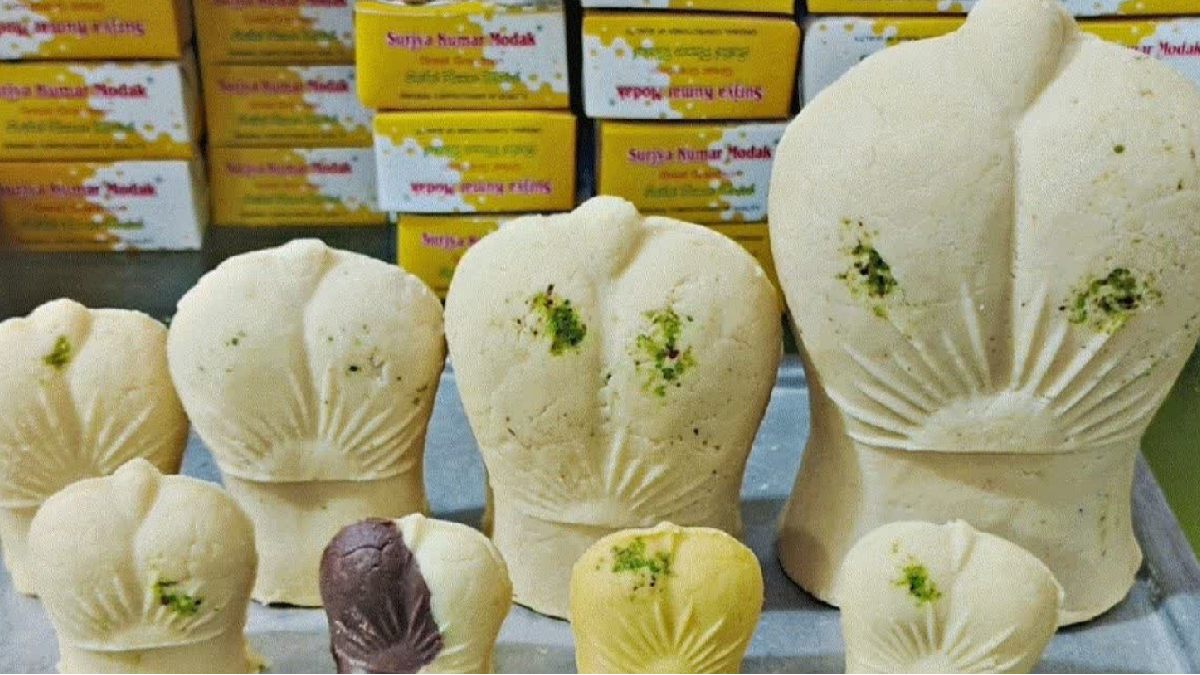
Jalbhara Sandesh is unique among Bengal’s most popular sweets. The sweet, created in the 19th century by the renowned confectioner Surya Modak, is affectionately known as Jamai Thokano Mishti (the son-in-law sweet).
According to local folklore, the Bandyopadhyay family of Telinipara ordered the sweet to surprise their sons-in-law. Surya Modak made a sandesh shaped like the kernel of a palm fruit and secretly filled it with fragrant rose syrup. When someone took a bite, the sweet released its liquid filling, bringing a delightful surprise.
Jalbhara Sandesh is available in several flavours, chocolate, mango and strawberry but it retains its traditional identity.
Saibal Modak, one of the famous Surya Modak family members, said the GI tag will help bring "Chandannagar-er Jalbhara" to international markets. But he said the government should fund research to prolong the shelf life of the sweet to make exports easier and help to popularise the delicacy globally.
Balagarh's 500-year-old Boat-making Tradition gets Recognition
The GI recognition for Balagarh's traditional wooden boats is also significant, in an industry whose history spans more than five centuries.
Balagarh, located on the Hooghly River, was an important boat-building centre in the period of the historic Saptagram port. Craftsmen made wooden boats that were supplied throughout Bengal and even exported overseas in the colonial period.
In the past, the craft provided hundreds of workshops; today only around 21 workshops are still in operation. There is low demand, low earnings and an absence of interest in the industry from younger generations, which has brought it to the brink of extinction.
Researchers who secured the GI tag described the recognition as the result of nearly four years of documentation and multiple hearings. They felt Balagarh's traditional dingi is a unique and historically significant stage in the evolution of Indian boat-making.
Artisans Seek Government Support
Even though artisans welcomed the GI recognition, they feel it is only the first step.
Boat makers say fishermen— their main customers— can’t afford fair prices and craftsmen are struggling to maintain their livelihoods. They’ve called on the government to provide financial support, marketing support and skill development programmes to maintain the centuries-old craft.
Other sweet makers in Chandannagar hope government-backed research and better export infrastructure will help Jalbhara Sandesh gain global recognition.
A Proud moment for Hooghly
With Chandannagar's Jalbhara Sandesh, Balagarh's traditional boats and Janai's Manohara on India's growing list of GI-tagged products, Hooghly district has already gained a reputation for being a centre of Bengal’s rich culinary and cultural heritage.
Not only will recognition of these cherished traditions protect them from being copied but also can be used to spur local businesses, tourism and maintain the old craftsmanship of our ancestors.