China is also rumored to be considering tighter controls on the overseas access and export of its most advanced AI models and semiconductor technologies, which would also put Beijing more in line with the United States in treating AI as a strategic national asset.
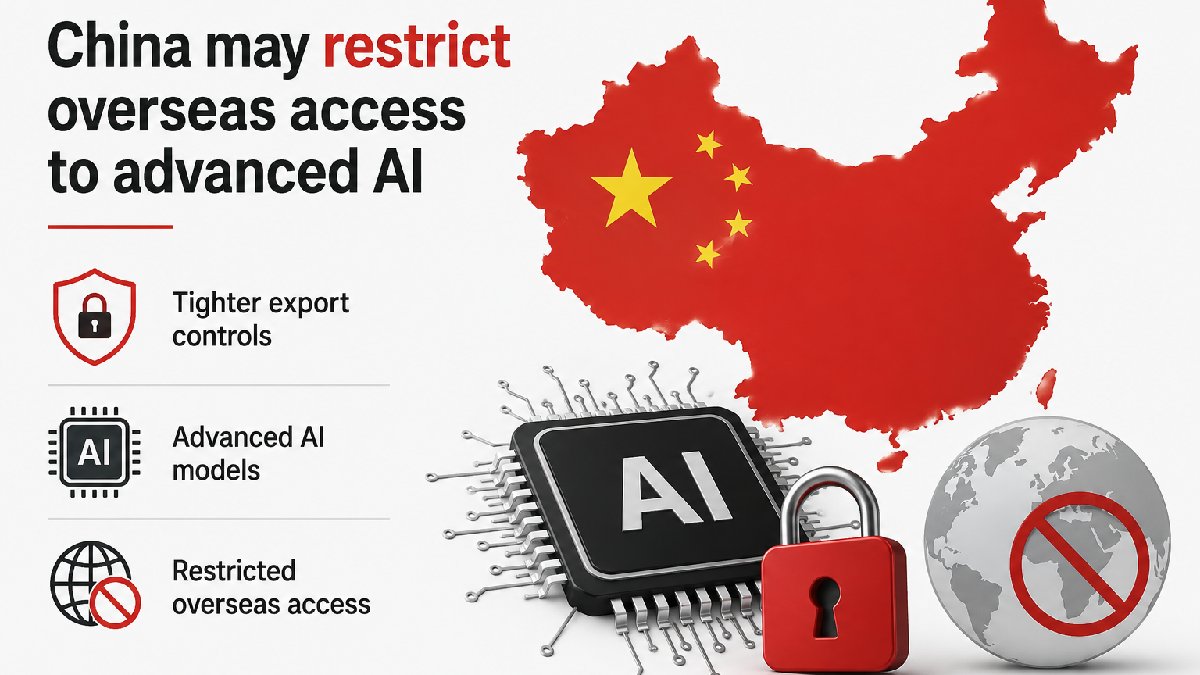
The measures may restrict foreign access to advanced Chinese AI systems, training data and critical semiconductor designs. The discussions come as competition between the US and China is heating up for artificial intelligence, advanced computing and chip technology.
According to reports, Chinese authorities are considering tighter export controls on advanced AI and semiconductor technologies. Earlier discussions with the biggest tech companies and other companies were about whether overseas access to China’s most advanced AI models should be restricted, including models that haven’t been publicly introduced.
China’s Ministry of Commerce has been consulting major technology and semiconductor companies on measures to prevent strategically important technologies and AI start-ups from being acquired by foreign companies. Companies including Alibaba, ByteDance and Zhipu have reportedly been involved in discussions around the proposed rules.
Authorities are also considering how to limit the transfer of important AI training data outside China. A further proposal would be to prevent foreign users from downloading model weights, which are a fundamental part of modern AI systems and are essential in the development of AI models.
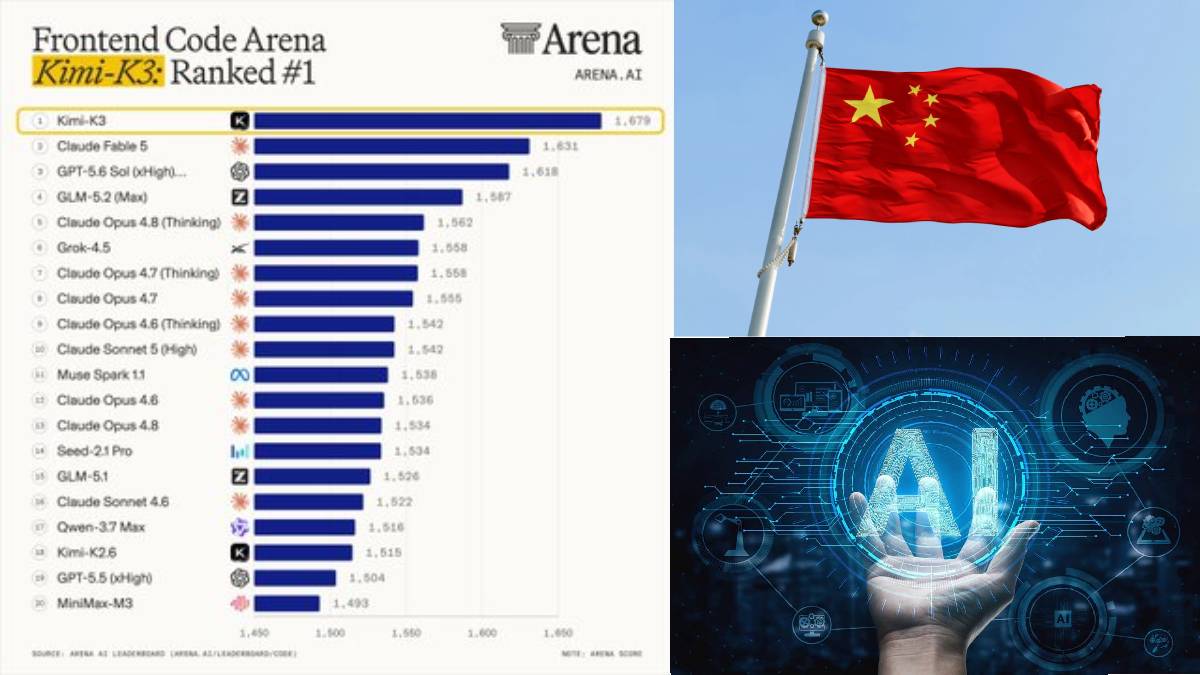
The restrictions would also apply to advanced semiconductor manufacturing. China is reviewing measures that might prohibit overseas chip makers like Qualcomm and Taiwan Semiconductor Manufacturing Company from producing advanced chips based on designs developed by Chinese chip manufacturers like Huawei, Alibaba and ByteDance.
If implemented, such proposals might be part of an updated version of China’s list of technologies that are banned or restricted for export. But the plans are still being deliberated and Chinese regulators are looking for feedback from technology firms and other industry players before deciding on what to do.
China is also looking at restrictions on foreign acquisitions of strategically important technologies. Fast-growing technologies such as agentic AI, which involves artificial intelligence systems that can do tasks more independently, are believed to be making for more immediate regulatory scrutiny.
The possible policy shift reflects the rapidly changing global AI landscape. Governments are increasingly recognizing advanced AI models, training data, semiconductor designs and computing infrastructure as national resources, not just commercial ones.
The United States has already imposed restrictions on access to advanced AI systems and semiconductor technologies in several countries. If China does follow a similar path, it could further exacerbate the technology rivalry between the world’s two largest economies.
For global technology companies, tighter Chinese export rules could create more uncertainty around international access to AI models, chip designs, training data and advanced manufacturing capabilities. The proposals could also affect the way Chinese AI companies expand internationally and how foreign firms collaborate with them.
However, no final decision has been made. The measures are in discussion and their scope could well depend on sector input and the Chinese authorities’ review.