The Cockroach Janta Party (CJP), which has been at the helm of protests around the NEET examination controversy, also added a fourth demand to its campaign.
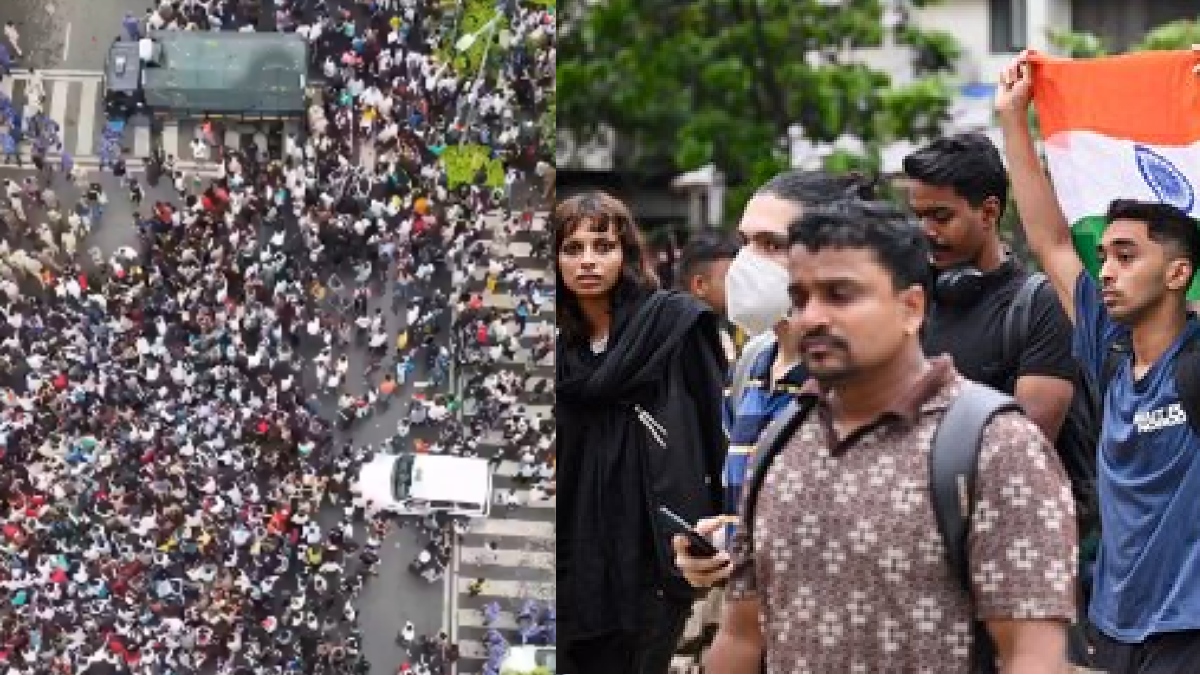
It wants no First Information Reports (FIRs) to be registered against protesters who participated in the July 20 demonstration at Jantar Mantar in New Delhi.
The July 20 protest attracted hundreds of students, activists and supporters who wanted to see a better system of national entrance examinations in which teachers are held accountable and the students and people of the country are held to account. The demonstrators claimed that there were flaws in the examination process and called on the government to remedy it so as to restore confidence in the public.
CJP representatives say many of the participants fear the possibility of legal action following the demonstration. The CJP has now urged the government and Delhi Police not to pursue criminal charges against those who took part as well as those who took part in what it described as a peaceful protest.
CJP leaders insist that citizens have a constitutional right to assemble peacefully and express their concerns. They say that students and supporters who gathered at Jantar Mantar were exercising their democratic rights and shouldn’t be arrested unless there is evidence of illegal activity.
The latest demand comes after the organization had already outlined three earlier demands related to the NEET controversy. While those demands highlighted accountability, transparency and action against those responsible for alleged irregularities, the fourth demand focuses on protecting the rights of protesters.
The July 20 demonstration featured passionate speeches from several participants and videos and pictures of the protest quickly circulated on social media. Statements made in the meeting have led to controversy over the protest and whether any of the protestors had reached legal boundaries. FIRs against all protesters are not publicly announced but the issue has dominated online.
Legal experts note that police officials typically look at evidence video footage and witness accounts before deciding whether criminal cases should be filed. Peaceful participation in a protest alone does not necessarily result in legal action, but people may be investigated if there is violence, incitement or violations of laws.
Political observers say the addition of the fourth demand is part of CJP’s larger strategy of expanding its campaign beyond examination-related issues to include civil liberties and the protection of protest rights. Students should not be scared of speaking up, supporters say, and any unlawful conduct should be investigated in line with the law.
I hope that authorities will respond to CJP's latest appeal and not let go of CJP’s latest appeal. The development adds to the debate over student protests, democratic rights and the handling of public demonstrations in the capital and public rallies.
CJP has made it clear that protecting protesters from legal action has been at the heart of the campaign and so has its earlier demand for the NEET.
The next few days will see if the latest demand has an impact on the decision-making or is a subject of political debate.