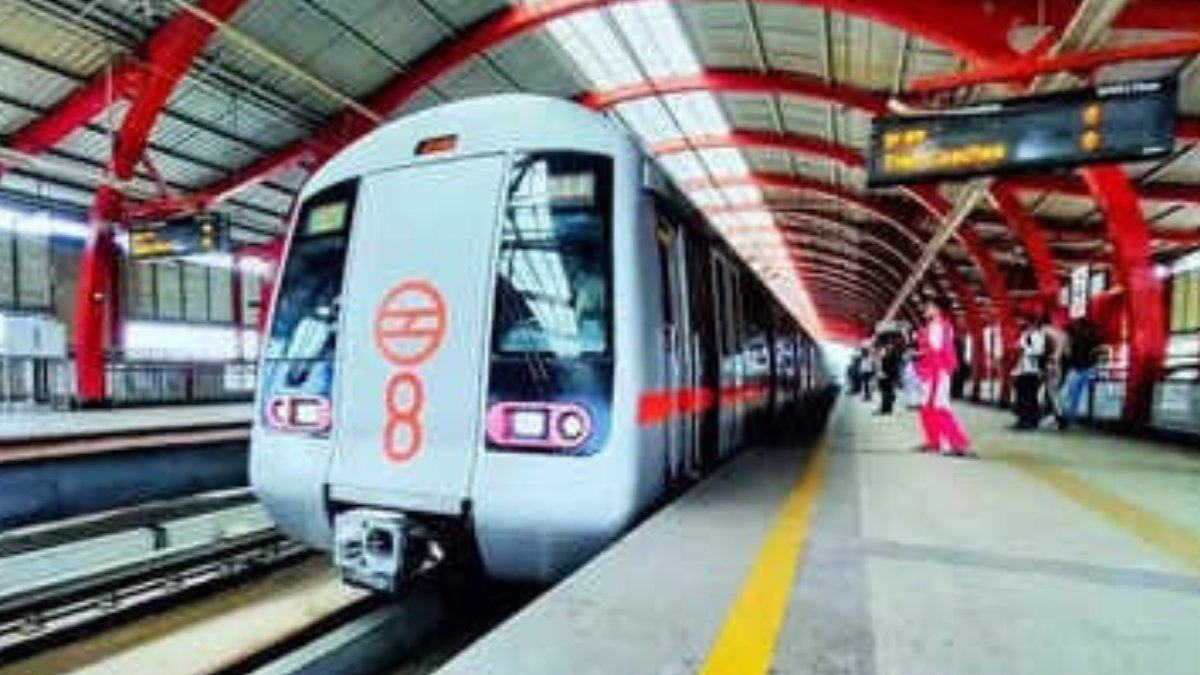
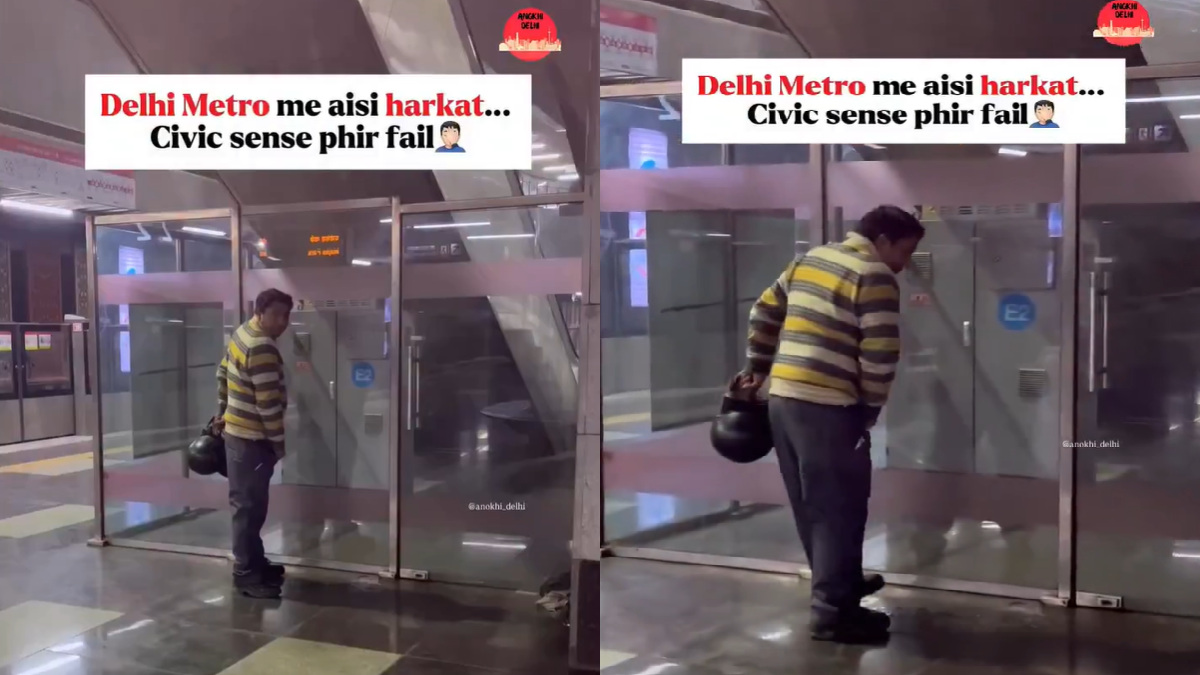
The Delhi Metro Rail Corporation (DMRC) has issued a strong warning to social media content creators after videos were released of mobile phones attached to or glued to the windows of moving metro trains to record reels. The unusual trend has become a topic of interest online, but the DMRC has made it clear that such activities are not tolerated inside Delhi Metro premises.
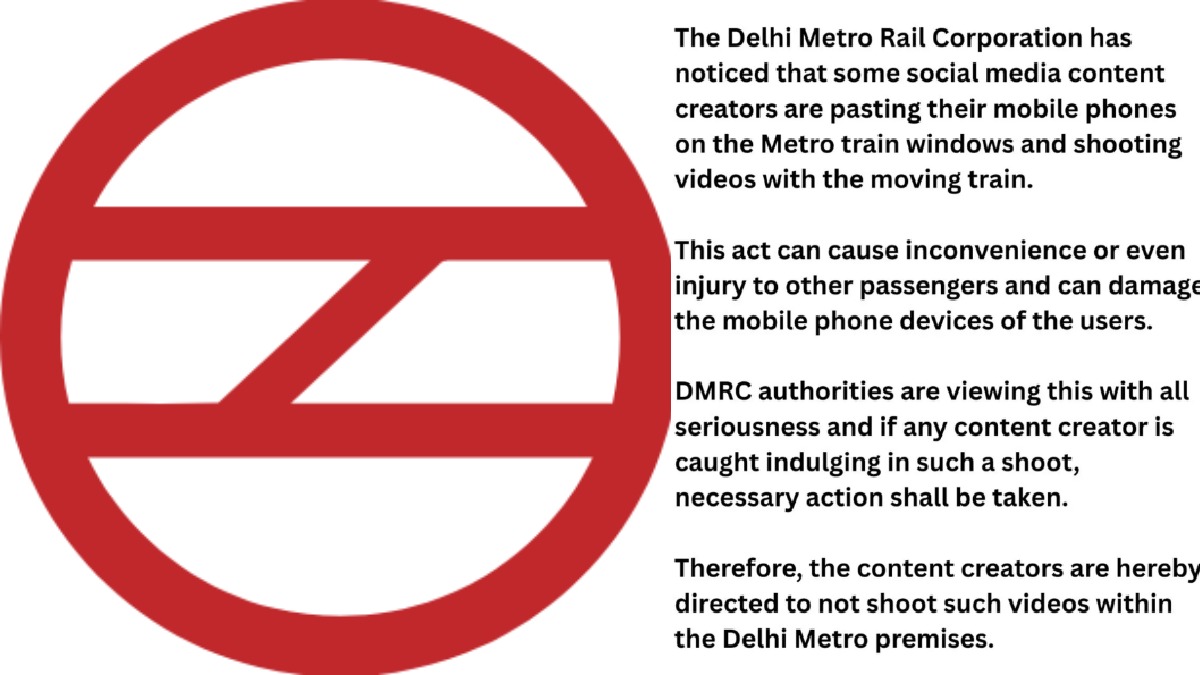
The DMRC also reported some social media users have been attaching their mobile phones to the windows of Metro trains while the train is in motion and recording videos. While the video clips could be used to make the user’s photos look good for social media platforms, the Metro authorities highlighted the risks from doing so.
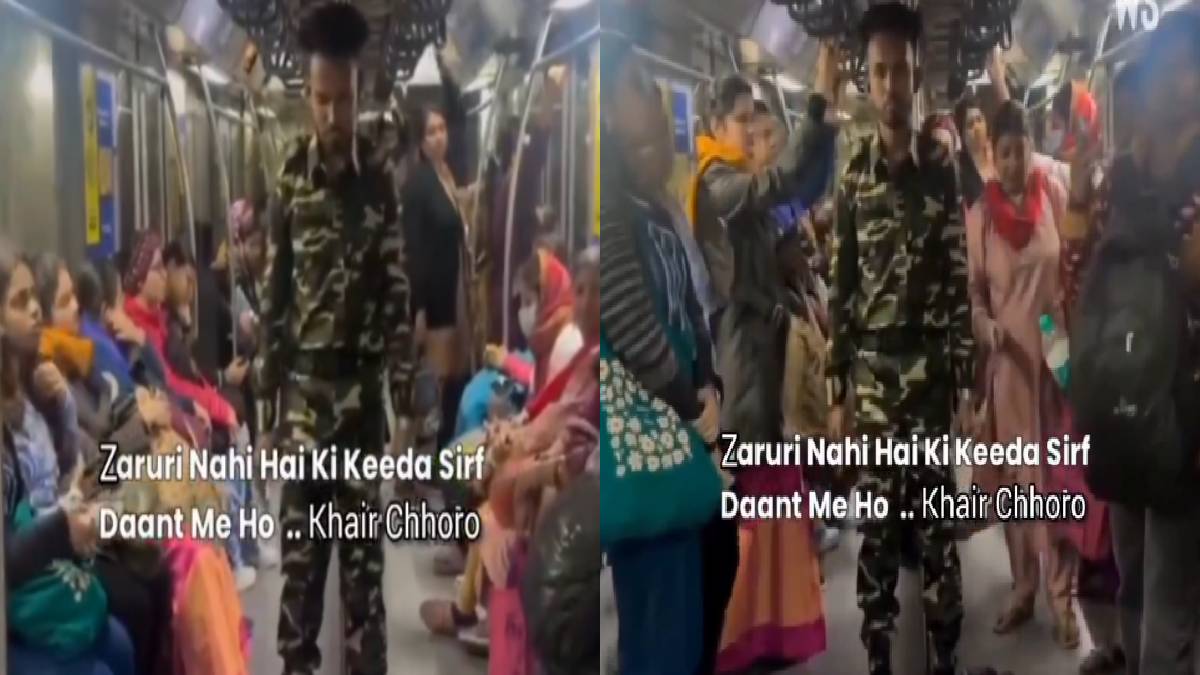
The warning comes with the Delhi Metro’s growing popularity as a setting for social media content. From dance performances and fashion videos to comedy clips and trending reels, passengers and influencers have increasingly used Metro stations and trains to create content. But authorities have warned that the pursuit of viral content should not jeopardize passenger safety or inconvenience commuters.
The DMRC said in a post on Instagram it had noticed social media content creators pasting their mobile phones on Metro train windows and shooting videos while the train was moving. This could also cause inconvenience or injury to people in the train, the corporation said. The devices themselves, said the company, could be damaged too.
The DMRC said it is taking the matter seriously and warned that action would be taken if content creators were found engaging in such shoots. The corporation has therefore directed social media creators not to record such videos in Delhi Metro premises.

The problem is not limited to a phone getting damaged or falling from its position. A mobile device attached to a moving train window could be detached suddenly, causing passengers nearby to be caught in a jam. There could be sudden movements in which people try to set, retrieve or adjust the device and other commuters in crowded coaches could get affected, too.
The metro trains are meant to accommodate large numbers of passengers and clear spaces around doors, windows and passageways are essential for smooth movement inside coaches. Activities that are primarily social media content may be hazardous if they distract passengers, obstruct movement or create an avoidable safety hazard.
The Delhi Metro has become a much more visible city on social media and several places and trains are featured in viral videos. Metro coaches have a relatively unique interior that gives creators an easy way to depict a recognizable urban setting. But the latest warning reminds us that filming in public transport systems comes with a price.
As influencers and content creators, viral trends can also encourage people to experiment with unusual filming techniques. Attaching a phone to a moving train window may appear harmless when viewed as a short social media clip, but the consequences can be considerably more serious if the phone falls, another passenger is struck or the filming activity disrupts the journey.
The DMRC’s warning also adds to the importance of Metro regulations when creating content. Passengers can use their phones for ordinary personal use, but filming should not interfere with the comfort or safety of fellow commuters.
Social media platforms often reward unusual and visually striking content, promoting a creative way to take risks and generate viewers to look up/share your video. But in places like Metro trains, hundreds of others who are not allowed to participate in video shoots can also be in the public space too. The latest DMRC advisory makes it clear that online popularity is not a trade-off for commuter safety.
The warning will also force influencers to reconsider how they make reels inside public transport venues. Those who want to use the Delhi Metro to make videos may have to go for safer filming and make sure their travels don’t interfere with those around them.
For commuters, it is the same as anybody else: the Metro is primarily a public transportation system, and the message is clear: passenger safety is the priority. Social media trends continue to shift from one place to another, but it is expected to keep an eye on activities that might put people in danger to one another in the Metro or train stations as social media trends change.
The DMRC’s new action shows the increased pressure faced by public transport authorities in the age of social media. While it is enjoyable to see how creative content can be, it is also incumbent on authorities to ensure that viral trends do not turn Metro coaches into potentially unsafe filming spaces. The warning to avoid hanging phones on moving train windows is therefore a reminder that no reel or viral moment is worth putting passengers, devices or Metro operations at risk.