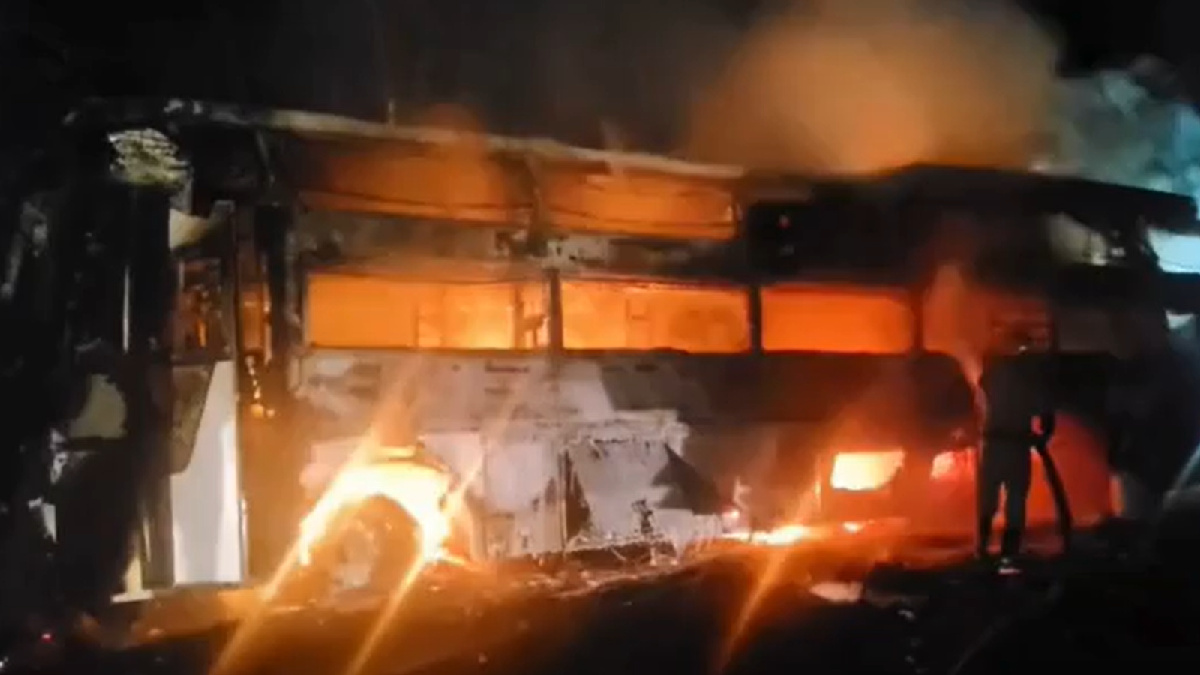
An altercation that was much more tense and distressing happened in Gadag, Karnataka after a heated argument broke out between a bus conductor and travelers near a toll gate. What started as an argument turned physical. According to reports a female conductor was slapped in the attack and other passengers were beaten up. This has made passengers’ worried families angrily informed on the incident as well as passengers' safety and staff members’ safety conduct in public transportation systems.

How the Clash Began?
It may have started when the conductor denied riders who wanted to board a bus in a spot close to the toll gate. That denial caused some anger and frustration among the passengers who thought they were being unjustly denied entry. The passengers asked for an explanation but instead of diffusing the situation, the argument escalated. Witnesses say tempers flared quickly, as both sides began shouting at one another. In the confusion, the woman conductor was supposedly slapped by passengers, and some were physically shoved or struck. The bus driver and other passengers watched passively by not intervening or diffusing the situation.
Escalation of Violence:
What is most disturbing about the incident is how rapidly it escalated. A dispute over boarding parameters devolved into a violent confrontation within minutes. Bystander and bus driver action did not help. The conductor’s refusal to allow his passengers board near the toll gate was based in part on rules or safety concerns, but how their passengers were handled created resentment. Passengers were disrespected, and the conductor was unwilling to compromise or explain. It was this failure to communicate that sparked the dispute.
Response from Families and the public:
Parents and relatives of the injured passengers were furious when they heard of the incident. They denounced the conduct by the conductor and called for accountability. But for them, the assault meant not only physical assault, but public shame of their loved ones. The incident has attracted further scrutiny and criticism from local communities, asking why the bus driver and other commuters were not there. There have been accusations of their failure to act, as if action were in fact necessary to prevent the tragedy from festering.
Broader Concerns:
This battle underscores wider fears about public transportation in India:
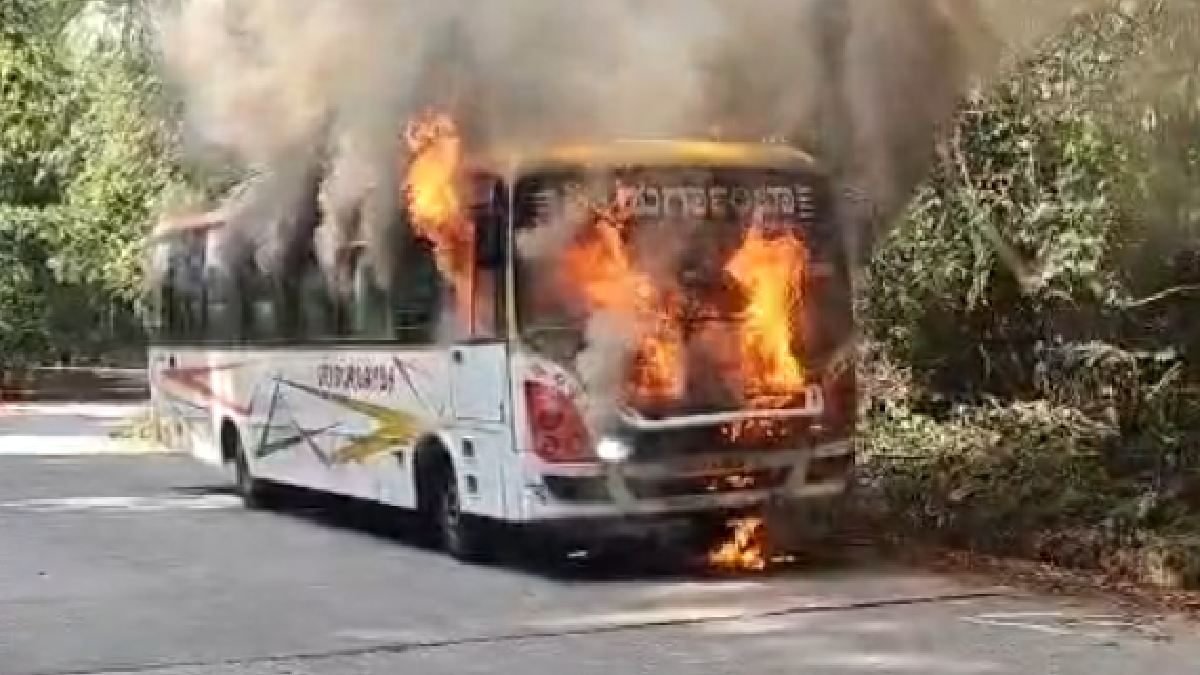
- Safety of passengers: A string of violence on public transportation buses raises serious questions about the safety of its passengers.
- Training for staff: Conductors and drivers are often under stress, but need training to calmly address conflicts, he said.
- Communication problems: Good employee and passenger communication can avoid misunderstandings leading to fights.
- Accountability: Where violence does occur, then mechanisms must be put in place to hold both staff and passengers accountable.
Lessons to Be Learned:
The Gadag case is a warning that public transportation is so much more than making people get on their bus, from one place to another and is equally about ensuring dignity, respect and safety. Passengers and bus staff also need to learn to disagree respectfully without violence. Authorities should consider:
- Training bus staff on conflict management.
- Establishing complaint channels for passengers to report misconduct.
- Training bystanders to responsibly intervene when violence erupts.
- Review boarding policies to eliminate confusion/frustration.
How the conductor and passenger conflict in Gadag are a grim illustration of what happens when seemingly minor arguments turn into violence because there is breakdown in communication. That a woman conductor is allegedly slapped and a few passengers assaulted is intolerable at all times. Adding to the severity of the situation, the bus driver and the other passengers were silent. This incident should be a call to action for the transport authorities to reinforce their safety culture, further improve their staff education and make them more accountable. In this sense, public transport is simply an area for trust and security, not fear or strife. While it is important to do justice to the affected passengers and conductor, it is far more important that future clashes do not happen.