A flash flood was observed in the Stakpa-Sankoo region of Kargil after a cloudburst, and there was panic among the people living there. Suddenly, water poured in from a drain with great force, with huge amounts of debris, sludge, mud, and heavy stones in a flash flood, the sudden surge of water.
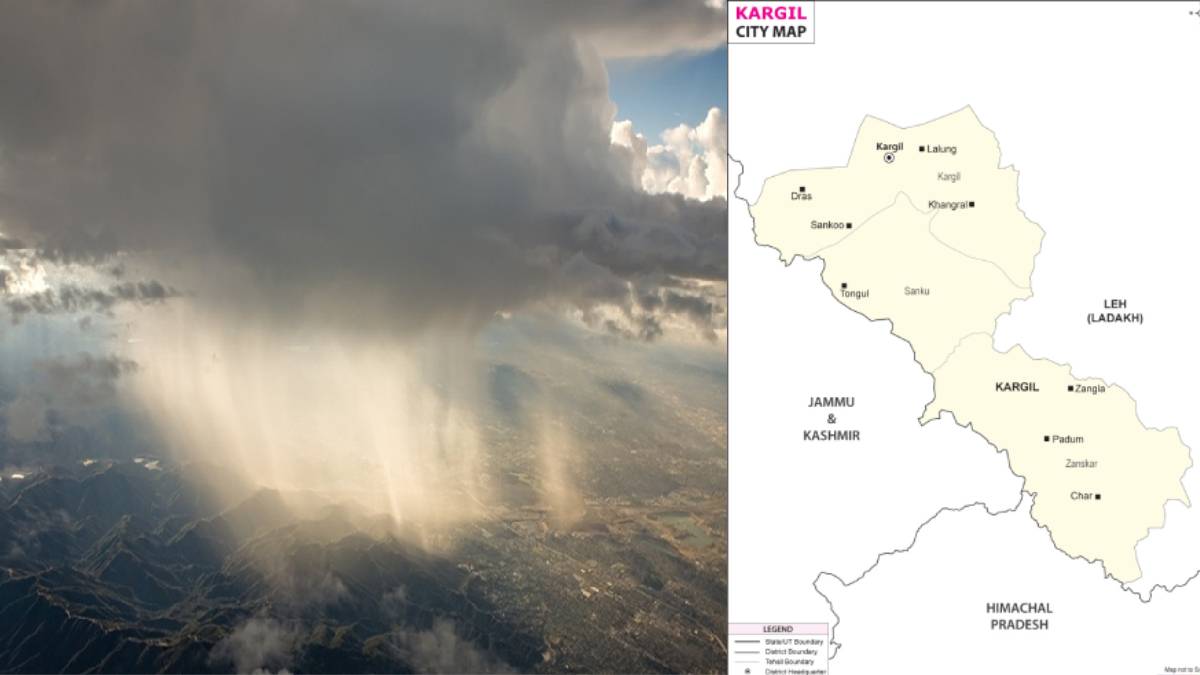
The incident shows that mountainous areas such as Kargil remain prone to sudden weather-related events. Cloudbursts can cause water levels to rise at a rapid pace in these areas in a short time when large volumes of rainwater accumulate in the natural drainage channels and narrow valleys.
The floodwater rushed out of the drain at an alarming rate, as the information available indicates. The water was full of debris, sludge, and stones; the normally calm water channel was turning into a potentially dangerous torrent. The flooding occurred so suddenly that people in the area were surprised by the force of the water flowing through the area.
The flash flood also created an atmosphere of uncertainty that gave residents time to respond to changing conditions. The cloudburst can create such a powerful runoff, even in mountainous areas, washing away all the mud from slopes and drainage channels to the lower-lying areas, as a short-duration cloudburst can wash away all the mud from slopes and drainage channels.
Videos from the affected region might illustrate the extent of flooding and the amount of debris carried by the water. The presence of large stones and accumulated sludge in the flood flow also shows the destructive nature of cloudburst-induced flooding in the region.
Kargil and other parts of the Ladakh region are characterized by rugged terrain with steep slopes, narrow valleys, and dry riverbeds and drainage channels. These characteristics contribute to the distinct landscape of the area but also to the rapid downstream flows during heavy rainfall. Water that is in higher locations can flow very quickly downstream, giving the residents little time to react.
The recent incident is yet another reminder of the need for weather monitoring, early warning and preparedness in the vulnerable Himalayan and trans-Himalayan region, particularly in places where the region is vulnerable. Residents living near drains, streams and low-lying areas will be more vulnerable when heavy rain is happening upstream.
Local emergency teams are typically responsible for water flow control and residents’ assistance, and ensuring that vulnerable neighborhoods remain accessible for emergency personnel. Clear drainage channels and identifying areas where sudden flooding is likely to occur can also minimize the risk during extreme weather events.
The main concern at present after the Stakpa-Sankoo cloudburst is the possibility of further rainfall and additional surges. Conditions can quickly change in flash-flood-prone mountainous areas, thus monitoring is important.
The sudden flooding is further evidence of the unpredictable nature of extreme weather in the Himalayan region. The full impact of the Stakpa-Sankoo flash flood will be determined later, but already the danger of debris-laden water arriving in the area has clearly been felt.
Affected people and travelers in the most vulnerable spots in Kargil will be on the alert as they are advised to stay well aware of the situation and observe the weather and water situation. If rains were to continue to fall, it would mean more runoff would be more likely to occur, especially around natural drains and channels.
The incident comes at a time of increasing scrutiny on extreme weather events in the Himalayan region, during which cloudbursts, flash floods and landslides have been known to pose serious challenges to communities and infrastructure. The Stakpa-Sankoo incident shows how quickly a cloudburst can turn a drainage channel into a torrent and highlights the need for preparedness and timely warnings in vulnerable areas.