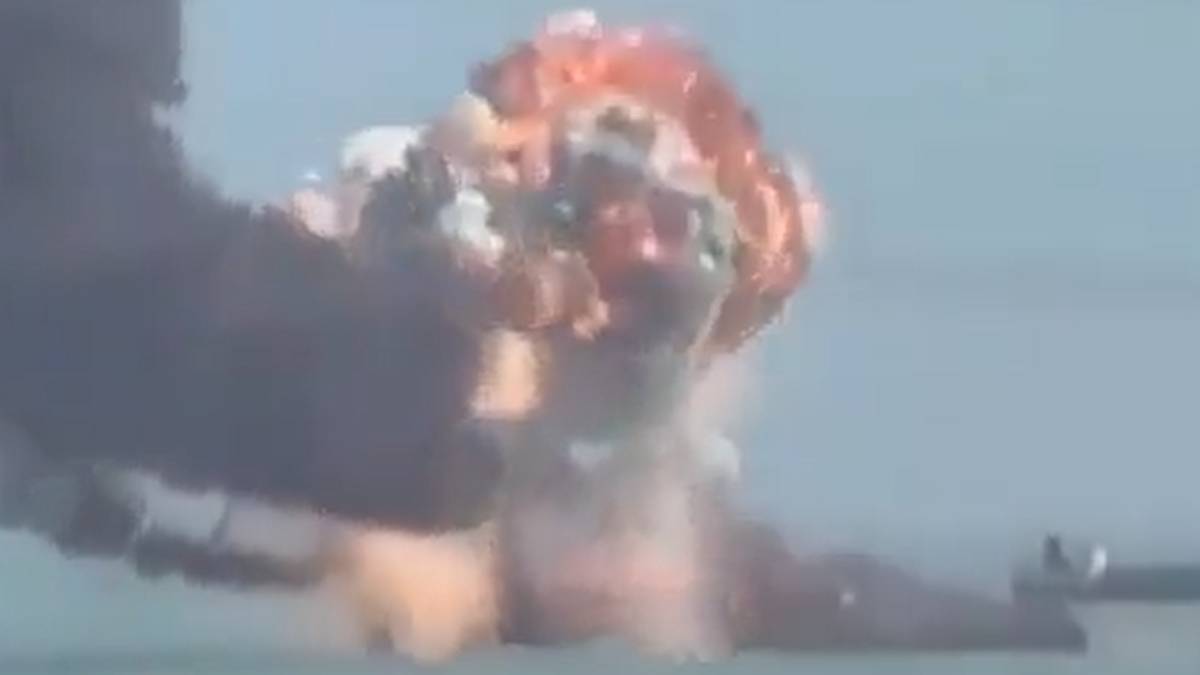
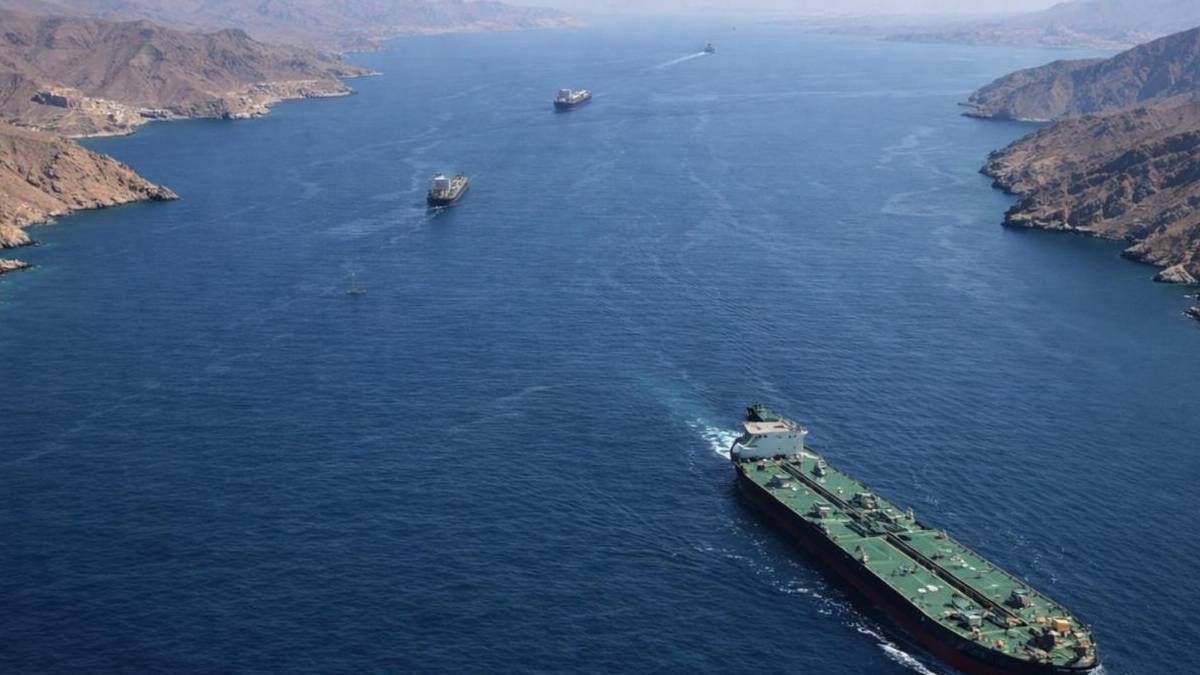
A supertanker caught fire after it smacked two naval mines while traveling through the Strait of Hormuz, indicating growing safety issues for shipping as the United States and Iran escalate.
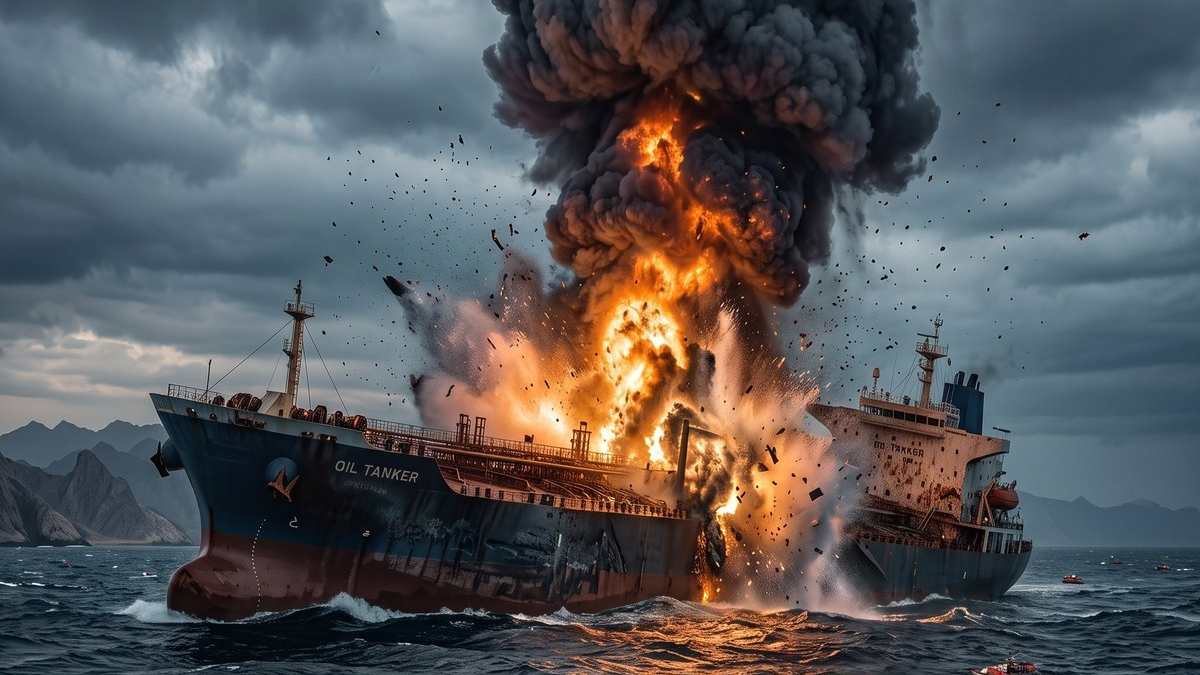
Iran’s Islamic Revolutionary Guard Corps (IRGC) said that the incident occurred in the southern part of the strategic waterway. Iranian state media reported that the ship struck two mines, caught fire and stopped.
The IRGC said the tanker took what it called an unauthorized route through the waterway. The ship's name, flag and the condition of its crew have not been disclosed publicly.
The incident comes at a very sensitive moment for shipping in this region. Hormuz is one of the world’s most important maritime chokepoints and a crucial route for oil and gas shipping. Any disruption to tanker traffic in the waterway would affect energy markets and global commerce.
Tensions have risen sharply after recent military action between Washington and Tehran. On August 30, US troops struck two Iranian launchers on Larak Island after American officials said they were preparing to launch rockets and sea mines into the Strait of Hormuz.
Iran shortly thereafter launched ballistic missiles toward a US military base in Jordan, according to reports.
The tanker’s recent incident has added to shipping industry uncertainty at an already high risk level. Mines are difficult to identify and can remain a menace to commercial vessels once military forces have cleared them.
The development is also being closely watched by world energy markets. Oil prices have soared on concerns about even more damage to shipping through Hormuz.
Brent crude on Wednesday rose above $90 a barrel as doubts about the waterway and its future increased.
The Strait has seen a significant reduction in commercial traffic during the conflict. U.S. President Donald Trump said mines had been cleared from international waters in the Strait in early May and warned Iran against new mines.
The supertanker incident, therefore, shows the continuing concerns of vessels travelling through and around Hormuz.
With the US and Iran now exchanging military strikes, shipping companies will be especially wary in moving vessels through this region.
In global markets, the situation is going to be closely linked to developments in the Strait of Hormuz.
A protracted reduction in tanker traffic would increase transportation and energy costs, and an escalation of attacks on commercial vessels would likely raise concerns about a wider disruption to global oil supply.
The waterway will be closely monitored by authorities and shipping operators in the region in the meantime as competing claims emerge from the region and as the waterway is not yet fully clear.
The latest incident is just one of the latest instances of how quickly the new US-Iran conflict that has emerged can disrupt commercial shipping far beyond the immediate battlefield.