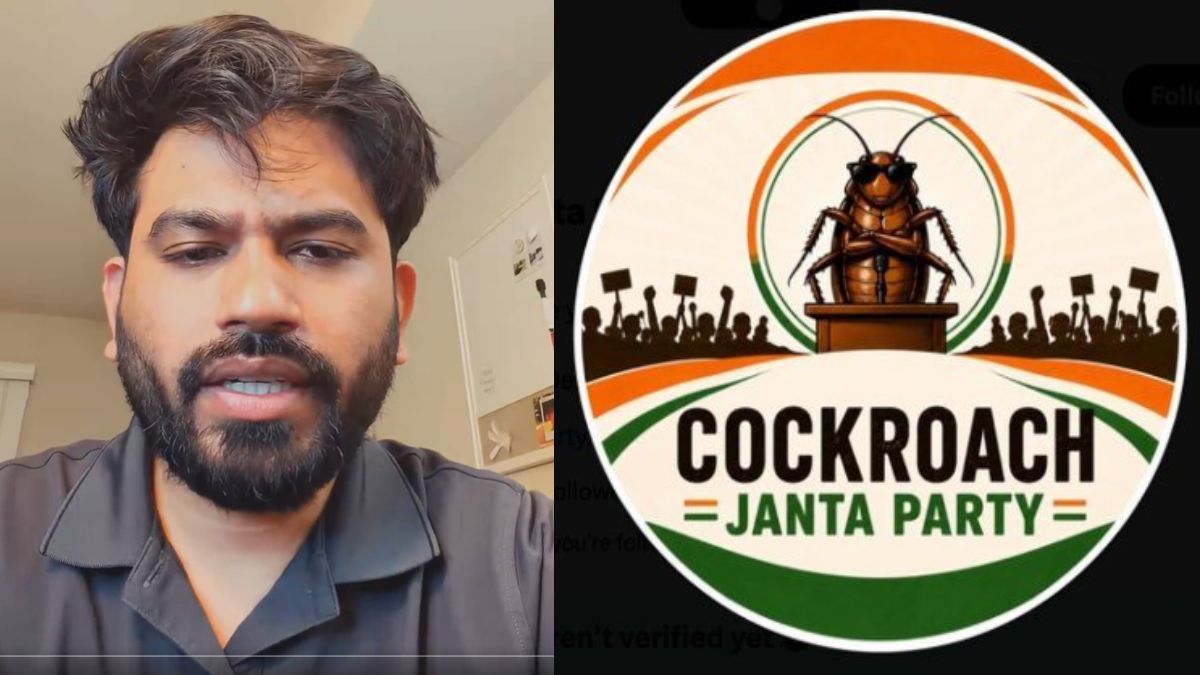
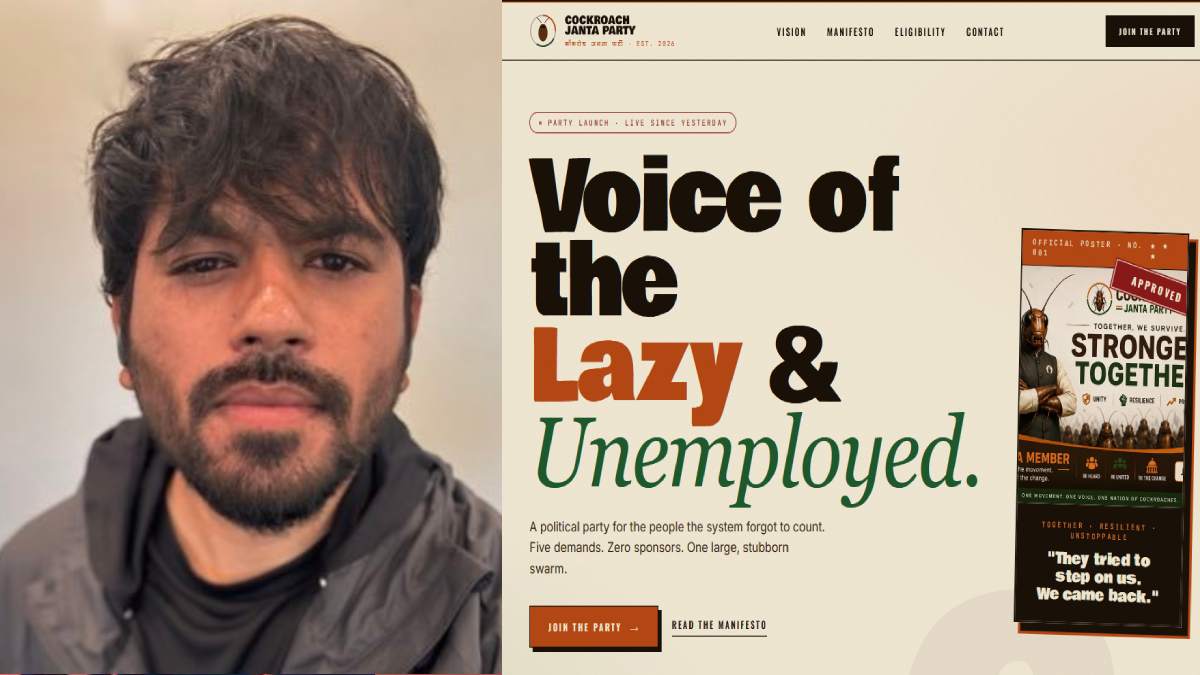
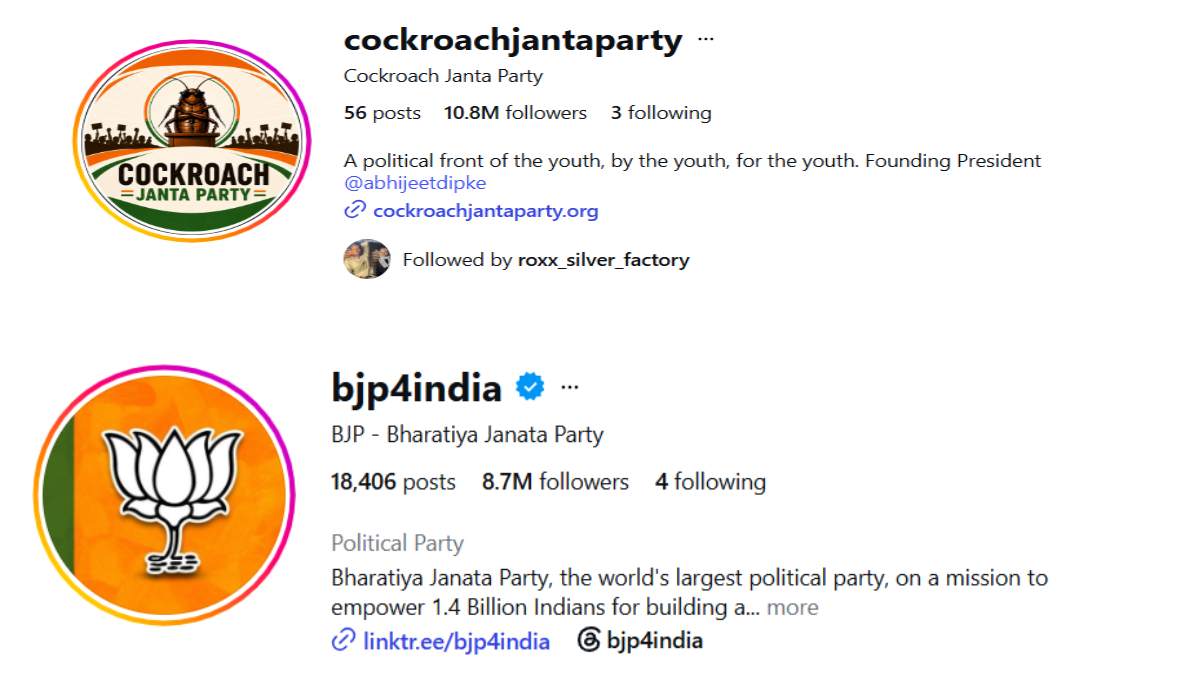
Recently, the viral meme/satire app Cockroach Janta Party hit over 10 million followers on Instagram, exceeding the official Instagram account of the party Bharatiya Janata Party (BJP).
The situation has resulted in discussions and comments across media, including memes, jokes and discussions. Cockroach Janta Party is popular for its irreverent politics-based satire, memes in the latest media trend and fun from pop culture, as well as a large online following, particularly among the new generation of popular culture users.
The page, which often features satirical takes on political and current affairs, as well as internet trends and everyday Indian experiences, has quickly developed a following in recent years. The account has crossed the 10 million mark, and many take it as one more instance of content that thrives on entertainment before social media engagement.
Screenshots contrasting the follower counts of Cockroach Janta Party and the BJP’s official Instagram account spread online virally, garnering reactions from supporters and critics alike online. Most users said the moment represented “peak internet culture,” but some said contemporary meme content frequently gets more engagement than traditional political communication.
Users shared amusing reactions, trending hashtags and doctored memes marking the milestone in comment threads. Cockroach Janta Party’s rise illustrates the surge in the role (or lack thereof) of digital creators and meme communities in shaping conversations online in India.
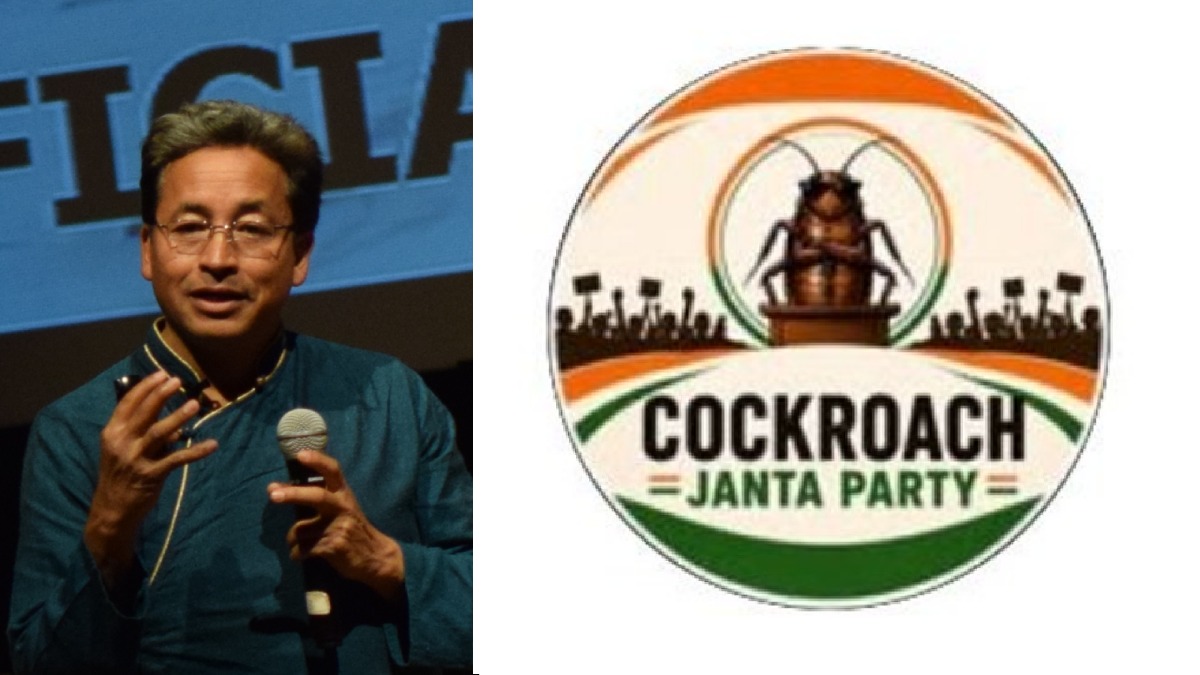
Unlike traditional news or political accounts, meme platforms often depend on relatable humour, lightning trends, and viral formats that resonate well with younger users. In recent years, meme culture in India has matured into an online industry with a huge following.
Pages such as Cockroach Janta Party are more than entertainment sites; the posts on their pages can have a major impact on a conversation about politics, movies, sports, or internet-related topics. The BJP, on the other hand, is among the top-followed political parties on social media in India, on platforms like X, Facebook and YouTube, as well as Instagram.
But by using a meme page, a bit of whimsy seeped into ongoing discussions about online power and digital penetration. More than a few Internet users also reported that a follower count alone does not demonstrate political strength or its real-world efficacy. Experts commonly cite meme pages as a way to draw crowds (and often demographics) from varied demographics seeking entertainment, not ideology.
Yet, the milestone has certainly become one of the most heavily discussed social media events of the day. Digital creatives, influencers and meme communities have been posting celebratory posts, pushing the topic to continue taking the online trend. The rise of pages like Cockroach Janta Party reveals a wider trend in the way young internet viewers are consuming things.
Humour, relatability and quick-share content produce the largest amount of real engagement you’ll learn. Today, this generally outperforms the more rigid ways that brands, celebrities or political organisations communicate on the web as ever until now.
With social media competition intensifying on the internet with the rise of meme platforms, and their viral success on social media at the expense of institutional accounts, it is a reality that the internet can sometimes outperform, no matter how big your profile or institution in terms of volume.