Deaths by suicide among personnel of the Central Reserve Police Force (CRPF) reached a five-year high in 2025, based on official data reviewed by News18. 59 personnel died by suicide in the year, the most since 2021. And the rise in suicide rates has raised many questions about the mental health of India’s largest paramilitary force and is raising doubts about whether welfare and psychological support systems are robust enough for personnel.
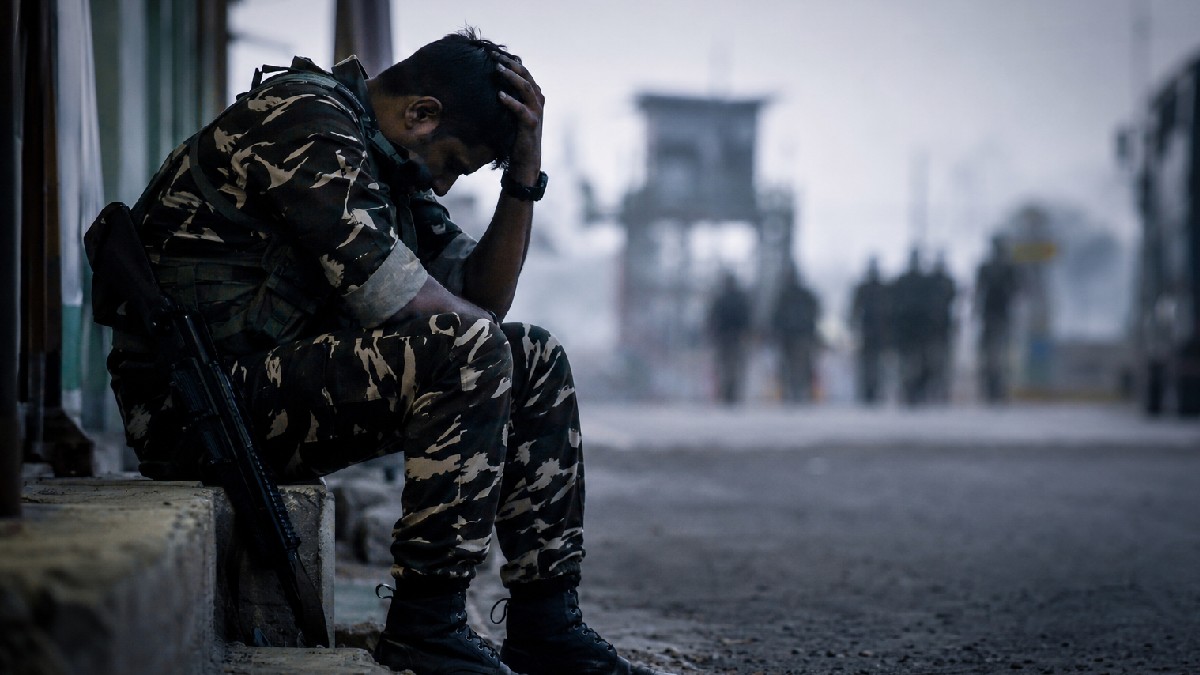
The data spans from 2021 to May 2026, and it records 281 suicides during the years. The numbers fluctuate from year to year, not a trend that keeps growing, but 2025’s record high stands out as a concern to policymakers, security experts, and the force leadership.
The Year-Wise Suicide Figures Show Fluctuating Trend
According to official data, there were 57 suicides in 2021 and 43 in 2022. The number rose again to 57 in 2023 and then dropped to 46 in 2024. However, in 2025, 59 suicides were reported, the highest during the review period.
Another 19 suicides had already been reported by May 2026, highlighting that the issue is still a serious problem. Between 2021 and May 2026, the data indicates 281 suicides.
A query to the CRPF spokesperson on the figures was not answered.
Most Suicides Happened While Personnel Were On Duty
One of the striking facts of the data is that most suicides occurred when personnel were on duty. Out of the 281 cases, 216 (around 77 per cent) occurred when personnel were on duty and 65 when personnel were on leave.
The year-wise breakdown shows this trend:
2021: 44 on-duty, 13 on leave. 2022: 34 on-duty, 9 on leave. 2023: 48 on-duty, 9 on leave. 2024: 36 on-duty, 10 on leave. 2025: 40 on-duty, 19 on leave. Till May 2026: 14 on-duty, 5 on leave.
While on-duty deaths were virtually the same as those during leave, 2025 saw a significant increase in off-duty deaths. The 19 suicides reported while personnel were on leave were nearly double the numbers in each of the previous three years, suggesting that stress outside the workplace may be important factors.
Professional and Personal Pressures Cited as Factors
A senior CRPF official told News18 that one of the most common triggers for such incidents is that of the conflict between professional work and personal life.
According to the official, several cases have been reported shortly after personnel came back from leave and after conversations with family members over the phone. Besides personal problems, there is the work-related stress and professional pressures that also are contributing factors. Some pressures, in particular, have been associated with suicides as well as fratricide within the force.
People in CRPF are often deployed in extremely challenging operational scenarios, such as counter-insurgency operations, election duties, riot control, and long postings away from their families. Long deployments, irregular working hours, and limited opportunities for leave are often cited as factors that can contribute to psychological stress.
Hanging and Firearms Remained the Most Common Methods
The data also sheds light on the methods used in these cases. Hanging and firearm-related suicides accounted for nearly 94 per cent of all recorded deaths.
Of the 281 suicides:
136 were by hanging. 127 involved firearms. 14 involved consuming poison. Two involved jumping before a train. Two involved cutting veins.
The yearly pattern indicates variations in the most common method. Hanging accounted for 32 cases in 2021 before decreasing to 22 cases annually between 2022 and 2024 and then increasing to 30 cases in 2025.
Firearm-related suicides were 21 cases in 2021, declined to 16 in 2022, rose sharply to 33 in 2023, fell to 22 in 2024, and then rose again to 26 in 2025.
Question of Effectiveness of Existing Welfare Measures
The CRPF has various initiatives to better the mental state of its personnel, including counselling services, stress management programmes, yoga and wellness projects, recreation, and communication with families.
But the latest statistics tell us that the issue is still there. The number of suicides in 2025 and the continuing prevalence of on-duty cases are likely to prompt new scrutiny of current mental health strategies and whether more comprehensive interventions are needed.
Experts have consistently stressed that mental health in security forces requires a combination of accessible psychological support, timely counselling, lower stigma around seeking help, better work-life balance, adequate leave policies, and better peer-support systems.
The latest data underscores the continuing need to strengthen mental health support mechanisms within the CRPF while providing the help that the personnel working under stress need before stress escalates.