BJP MLC C.T. Ravi has once again found himself on the receiving end of a political storm over his video of a road accident in Bihar and his portrayal of the footage as footage of protests against NEET. This has been widely criticised on social media and is now under investigation by the Indian government, as an FIR has been filed against the senior BJP leader.
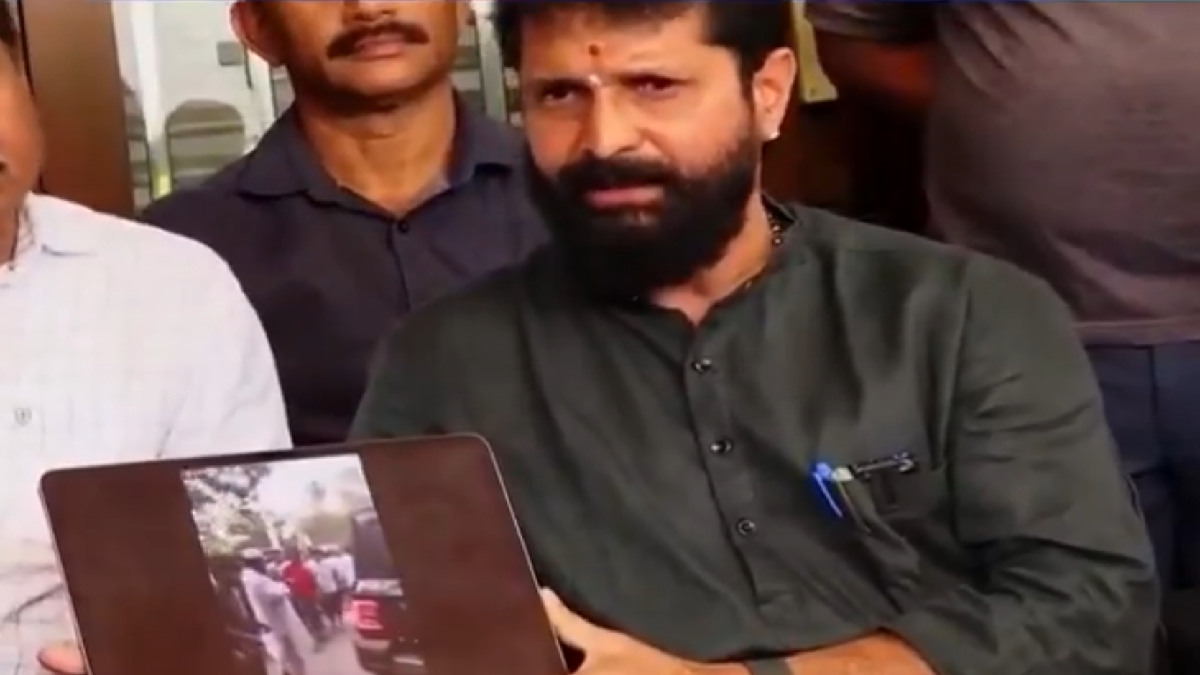
The controversy is due to comments made by Ravi on the current NEET debate and the protests against the examination system. In his comments, C.T. Ravi was said to have questioned the connection between the protests and the Muslim community. His statements were immediately criticised by some political opponents and social activists, who said he was provocative and communal. The issue grew worse when he allegedly spread or referred to a viral video that was later found to be unrelated to the NEET protests.
According to different reports, the video in question was actually a road accident in Bihar. But it was distorted as evidence of violent activity linked to the NEET protest movement. As the video spread on social media platforms, fact-checkers and internet users pointed out that the footage had no link to the protests. Ravi's video raised questions as to how a public representative had posted it without checking its authenticity.
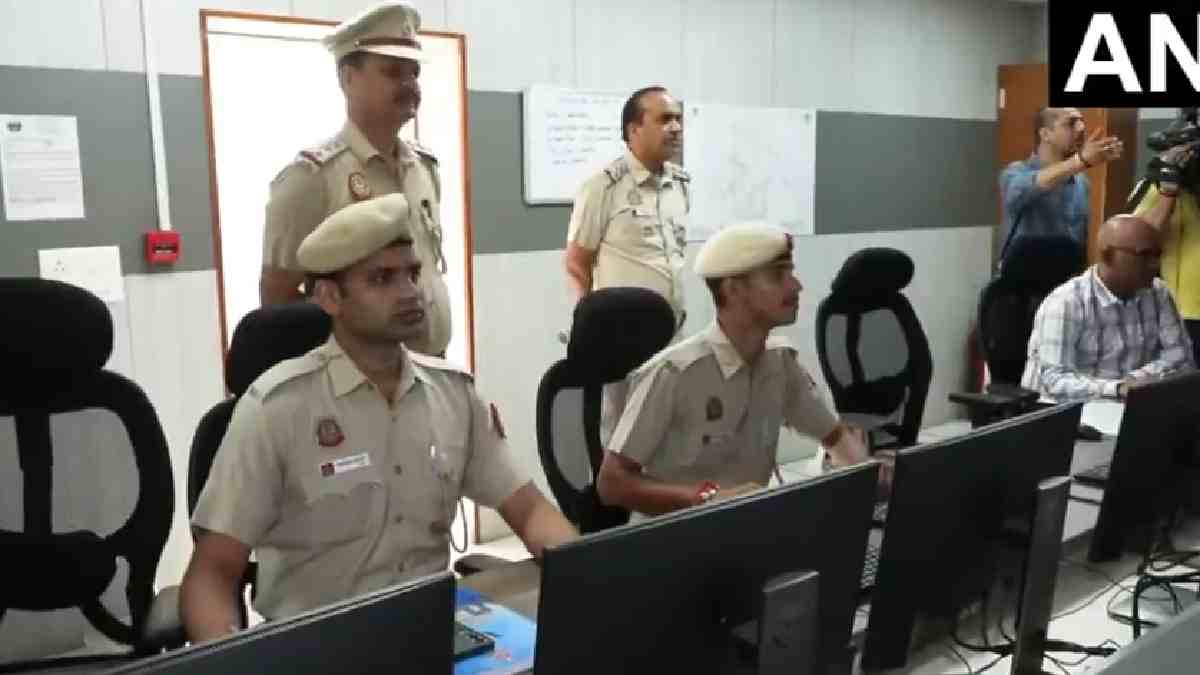
The matter attracted the attention of the law enforcement authorities soon after. Based on the reports received, an FIR was registered against C.T. Ravi. The Chikkamagaluru police department visited Ravi’s residence in Basavanahalli to serve him with a notice on Wednesday for him to appear for questioning.
The visit was not peaceful, and police officers were seen outside Ravi’s house in a tense situation. Local papers said Ravi refused to accept the notice and started protesting police officers’ attempt to attach the notice at his house. His supporters, however, intervened and ripped the notice and shouted slogans against the police.
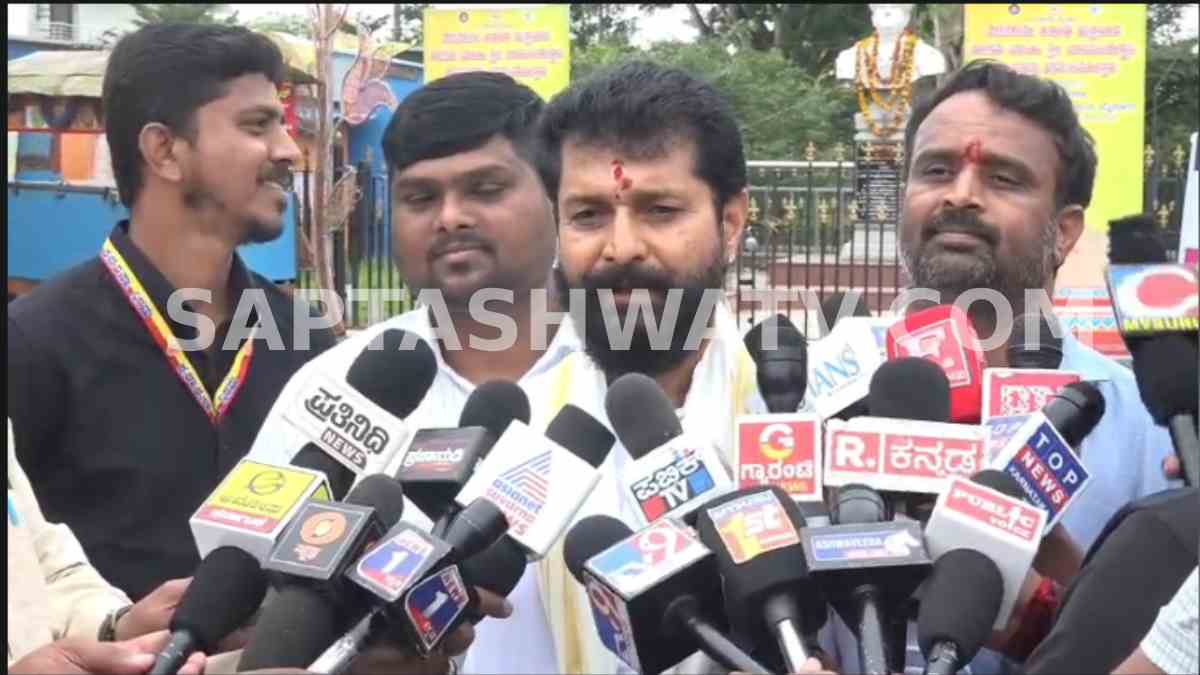
Ravi later defended himself at a press conference that he held. He said his comments were not aimed at the Muslim community and denied that he had intentionally spread misinformation. Ravi said that the viral video had already spread on social media and there had been confusion about its origin.
Even after his clarification, the criticism came from opposition parties and social media users. Many believe that public representatives should check information before it is shared, as public education, religion, and public protests are complicated issues, and they should be able to verify their information before they release a story.
The incident has once again demonstrated the growing difficulty of misinformation in the digital age. Viral videos and social media posts often spread rapidly before their authenticity can be verified, causing confusion and controversy. Political leaders, analysts say, should be more cautious when communicating information that could shape public opinion.
Investigation of the video would likely continue as to whether Ravi’s comments were intentionally misrepresented and if that might be a legal violation of the law. The issue in Karnataka is already a hot topic, and its supporters and critics are anxiously watching it.
So far, the FIR and the police inquiry maintain that the matter is under public scrutiny, and so do public figures responsible for social media use, and its use is a topic of debate across the state.