A shocking incident of a dead lizard in watery gravy under the Mid-Day Meal Scheme has once again raised serious concerns about food safety, hygiene and nutritional standards in government schools.
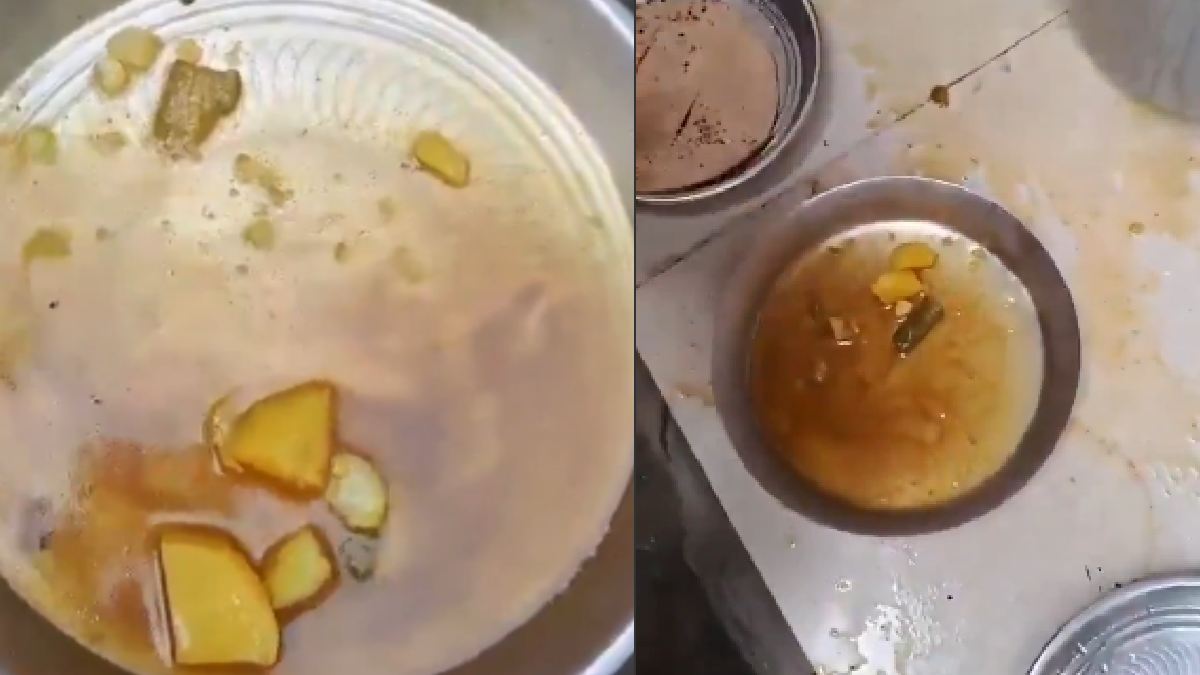
Public outrage has led parents to demand more oversight and accountability in order to make sure children are given safe and nutritious meals.
The Mid-Day Meal Scheme now known as PM POSHAN (Pradhan Mantri Poshan Shakti Nirman) is one of the world’s leading school feeding programmes. It is intended to support the nutritional status of children attending government and government-aided schools by encouraging regular attention and decreasing classroom hunger.
Millions of students in India depend on these meals as their nourishment system.
But food contamination, bad ingredients, insects, reptiles and lack of cooking practices are still being witnessed from states to demonstrate the gaps in the implementation of the scheme. The recent case involving a dead lizard in the gravy is another reminder of the need for better food safety measures.
According to reports, the contaminated food wasn’t discovered until a few hours before it was delivered and panic was felt by students, teachers and parents.
Local authorities and government bodies are investigating the way the food was prepared and whether hygiene measures were followed. Food storage and kitchens are also to be checked, officials said.
Food contamination is possible because of poor kitchen hygiene, improperly stored raw materials, lack of pest control and poor supervision, the researchers say. Clean kitchens, clean cooking environments and good adherence to food safety guidelines are required to prevent these.
Nutrition is not the only challenge for the Mid-Day Meal Scheme; health care is also an addition. Although the programme is supposed to provide balanced meals of proteins, carbohydrates, vitamins and minerals, the programme has seen the dish quality diluted, vegetables scarce, rice poorly cooked and meals not good enough.
Nutritionists stress that children need proper diets for good growth, better concentration and better academic performance.
Parents and child rights activists have called on the authorities to improve quality checks, introduce surprise inspections, develop kitchens for kitchen management and establish transparent grievance mechanisms.
Technology-based monitoring, such as the digital attendance system, meal tracking and real-time inspections would also be useful to ensure accountability.
The government has recently pushed for better food quality in school meals through nutritional advice, more funding and more monitoring. But good implementation will depend on the quality of school meals and education of schools and food suppliers.
The latest incident is a reminder that school meals are more than food; they are a lifeline for millions of children. Kids’ safety, food quality and nutrition should be the top priority in order for every child to receive a safe, hygienic and healthy meal.
Food safety standards need to be reinforced and the Mid-Day Meal Scheme needs to be improved in the country as investigations continue.