Hyderabad: The delayed arrival and uneven spread of southwest monsoon in parts of Telangana have left thousands of farmers faced with one of the most difficult agricultural seasons in recent years. And as fields expected to turn lush green are dry and crops begin to wither, fears are growing over falling farm incomes and mounting debt and the overall effect on the state's rural economy.
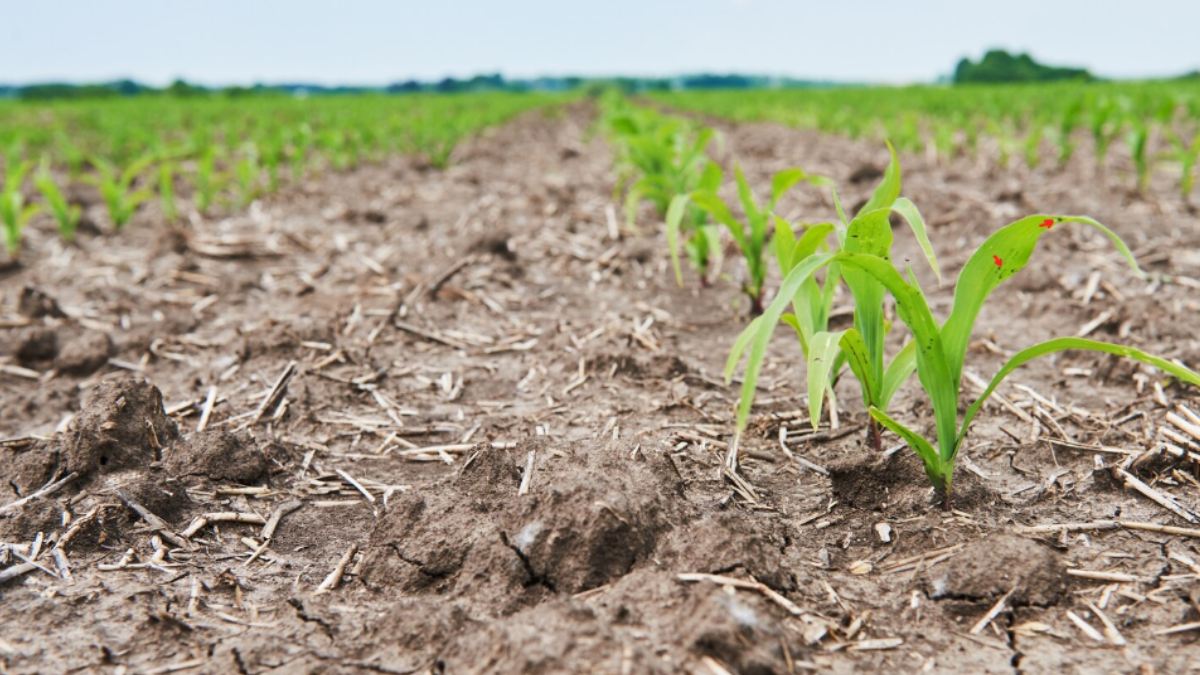
For many farmers, the kharif season is entirely dependent on timely rainfall. Sowing begins with the expectation that monsoon will provide sufficient moisture for crops including paddy, cotton, maize, pulses and oilseeds. But these dry spells and below-normal rainfall in many districts have interrupted the agricultural calendar and many cultivators have either postponed sowing or watched newly planted crops struggle to survive.
Farmers in many villages have said seeds that were planted after the first showers failed to germinate properly due to the absence of follow-up rainfall. Farmers who invested in fertilizers, labour and irrigation are now experiencing crop stress as moisture levels are low, and the crop stress is worsening with the low moisture levels as well as other fertilizers, labour and irrigation costs. The uncertainty has raised production costs and is a threat of poor harvest.
The financial burden on farmers is also mounting. Many cultivators are heavily dependent on seasonal loans from banks, cooperative societies or private lenders to purchase seeds, fertilizers, pesticides, diesel and agricultural equipment. With crop growth affected by inadequate rainfall, farmers are now having trouble paying back these loans after harvest season.
Delayed monsoons are not only a loss of yield - they also affect the timing of cultivation, pest management, fertilizer application, and irrigation planning, agricultural experts say. Even if rainfall levels improve later in the season, crop productivity may not recover entirely because at certain stages of plant growth, moisture is needed at specific times.
Cotton growers, who are a large part of Telangana's farming community, have expressed concern over uneven crop establishment. Similarly, paddy farmers relying on rain-fed irrigation are uncertain about transplanting schedules. Farmers growing pulses and maize also report lower germination rates in areas that have had less rainfall.
The delayed monsoon has further added to the pressure on groundwater resources. In many areas, farmers increasingly depend on borewells to irrigate their fields - a situation that has been increasing in recent years. But in drought-prone districts, where water is already low, continued extraction has caused concern about decreasing groundwater levels.
Farmers have been advised by agricultural researchers to plan for contingency crop planning where possible. It can be in the form of switching to shorter-duration crop varieties, drought-tolerant seeds, moisture conservation methods and efficient irrigation depending on local conditions. Extension services are continuing to provide district-level recommendations for cultivators regarding how to adapt to changing weather.
Experts say that monsoon variability has become increasingly common in recent years due to complex climatic factors. Delayed onset of the monsoon, uneven distribution of rainfall, prolonged dry spells between rain events, and localized heavy downpours have made farming more unpredictable, especially for rain-fed agriculture.
The Telangana government has been closely monitoring rainfall patterns and agricultural conditions in the districts. Agriculture department officials are assessing crop conditions and working with local authorities to evaluate the extent of damage and identify areas requiring immediate assistance. Farmers have also called for timely support measures, including crop insurance settlements, input subsidies, access to irrigation, and easier credit facilities to help them manage financial stress.
Economists say that prolonged agricultural distress can also have implications beyond the farming sector. Reduced crop production will hurt rural employment, local markets, transport services and agro-based industries that depend on a successful harvest. Lower farm incomes may also reduce consumer spending in rural areas, which will impact the wider economy.
Experts suggest that strengthening irrigation infrastructure, promoting climate-resilient agriculture, improving weather forecasting, expanding crop insurance coverage, and encouraging water conservation will be crucial for enhancing the resilience of Telangana's farming sector. Investments in micro-irrigation systems like drip and sprinkler irrigation can also help farmers use limited water resources more efficiently.
Many farmers are still hoping for better rains in the coming weeks but uncertainty remains high. If sufficient rain occurs during the remaining monsoon season, it could help stabilize some crops, but the extent of recovery will depend on rainfall intensity, distribution, and crop stage.
The delayed rains have once more exposed the vulnerability of rain-fed farming to climate variability and how it can affect Telangana’s agricultural community as they must now wait anxiously for consistent monsoon showers. For thousands of cultivators, the coming weeks will determine not only the outcome of this season's harvest but also their financial stability and future livelihoods.