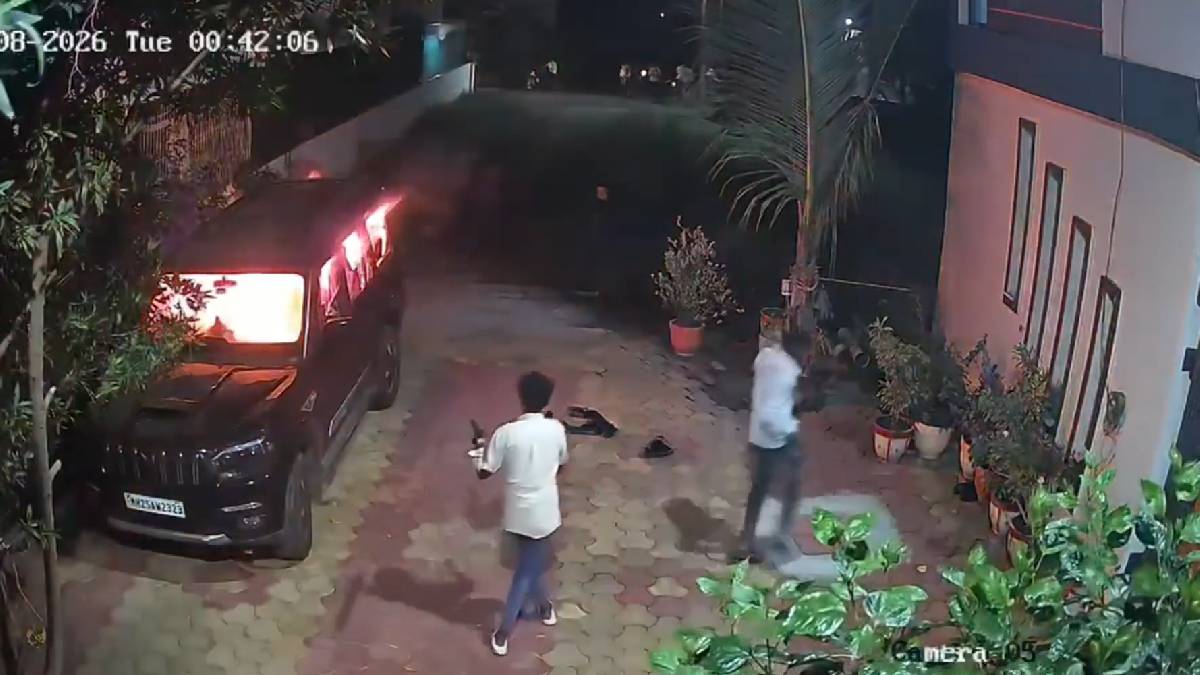
A Delhi court has reserved its order until July 31 on the quantum of sentence to be awarded to former Aam Aadmi Party councillor Tahir Hussain and four other convicts in the murder case of IB officer Ankit Sharma, one of the most high-profile cases related to the 2020 northeast Delhi riots.
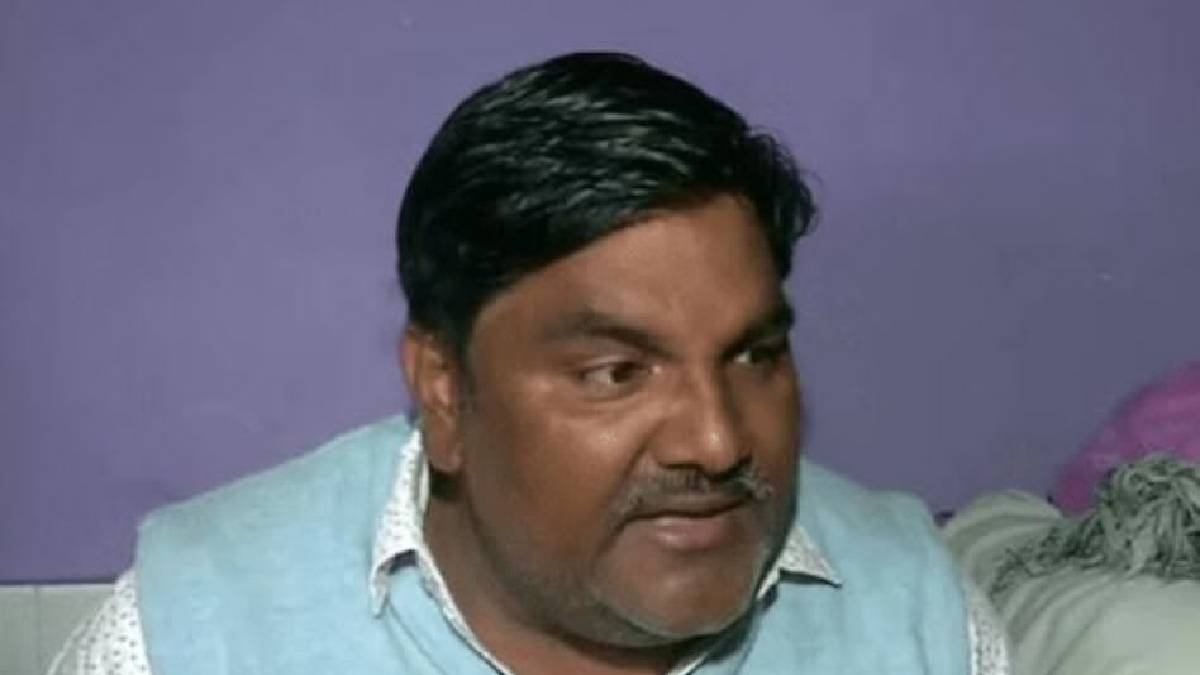
The court decision on sentencing follows the conviction of Hussain and four co-accused following a long trial in which witnesses' testimony, forensic evidence and other materials related to the murder of the young intelligence officer were reviewed. The sentencing order will decide if the convicts are going to be sentenced to life in prison or have other punishment as prescribed by law.
VIDEO | Delhi: Tahir Hussain has been taken to jail after Karkardooma court hearing on IB officer Ankit Sharma death case.
— Press Trust of India (@PTI_News) July 27, 2026
(Full video available on PTI Videos - https://t.co/n147TvrpG7) pic.twitter.com/MEqBn58ZGW
Sharma’s murder was one of the defining events in the communal violence that took place in northeastern Delhi in February 2020. In the course of the chaos that seized the area, he was a member of the Intelligence Bureau on the night of his death; the body of Sharma was recovered from a drain near Chand Bagh.
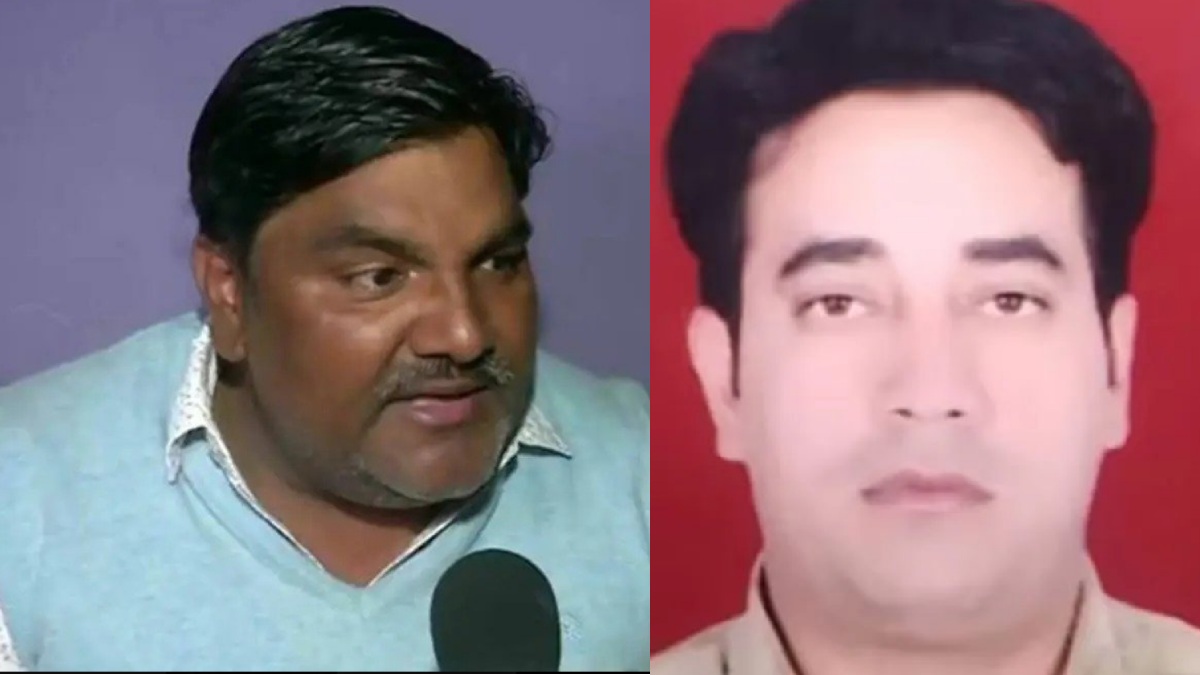
Sharma was allegedly attacked by a mob during the riots, the prosecution said. Tahir Hussain’s premises were used by the mob, and the accused played a large part in the conspiracy that led to the murder, investigators said. The prosecution relied on eyewitness accounts, digital evidence, forensic reports and call detail records to prove the involvement of the accused.
The prosecution sought extreme punishment during the trial, describing the murder as a serious offence that not only resulted in the loss of an innocent life but also undermined public confidence in law enforcement and the rule of law. They stressed the brutality of the crime and requested the court to take into account the seriousness of the offence when sentencing the suspect.
The defence, however, contested several of the prosecution’s arguments throughout the proceedings. The defence contended that Tahir Hussain was falsely accused by the prosecutors due to political prejudice and argued that the evidence did not prove that he was directly involved in the killing. The defence asked for leniency at the sentencing hearing, citing several mitigating circumstances and urging the court to consider the personal background of the accused and their family responsibilities.
The court heard arguments from both sides before it decided on the quantum of sentence. The final order is due on July 31 and, in line with the judgment of conviction, the punishment for all five will be imposed.
Ankit Sharma’s murder case remains one of the most closely watched legal investigations following the 2020 Delhi riots. That violence was followed by multiple investigations, charge sheets and court hearings regarding murder, conspiracy, unlawful assembly, and other crimes.
The legal community says sentencing is a crucial stage in any criminal trial. Conviction is proof of guilt beyond reasonable doubt, but the sentencing process allows the court to weigh aggravating and mitigating factors before determining the punishment. For serious crimes like murder, courts consider the nature of the crime, the conduct of the accused, the impact on the victim’s family, and the overall interests and welfare of society as a whole.
The sentencing order will bring one more significant chapter of the case to a close. Families of the victim, the convicts, legal observers and the general public will be monitoring the court's decision when it pronounces the sentence on July 31.
The verdict on sentencing will also be important in the courtroom because it will affect the consequences for convicted individuals, at least from a legal perspective; and the conviction and/or the sentence may be challenged in higher courts as per the law.