Delhi is seeing a rise in mosquito-borne diseases at the height of monsoon season, with the number of dengue cases reported in the national capital being the highest monthly dengue in September so far, according to the MCD, with the number of dengue in the city at its highest monthly dengue incidence in September.
According to latest MCD figures posted on September 15, Delhi had 121 dengue cases in September, taking the city’s total number of dengue cases in 2026 to 432. The data shows the continuing public health issue of mosquito-borne diseases in the rainy season.
September sees a sharp rise in Dengue Cases
The 121 dengue cases reported this month make September the highest monthly contributor to Delhi's 2026 dengue tally so far. Earlier, August had recorded 90 cases, the highest monthly number at that time.
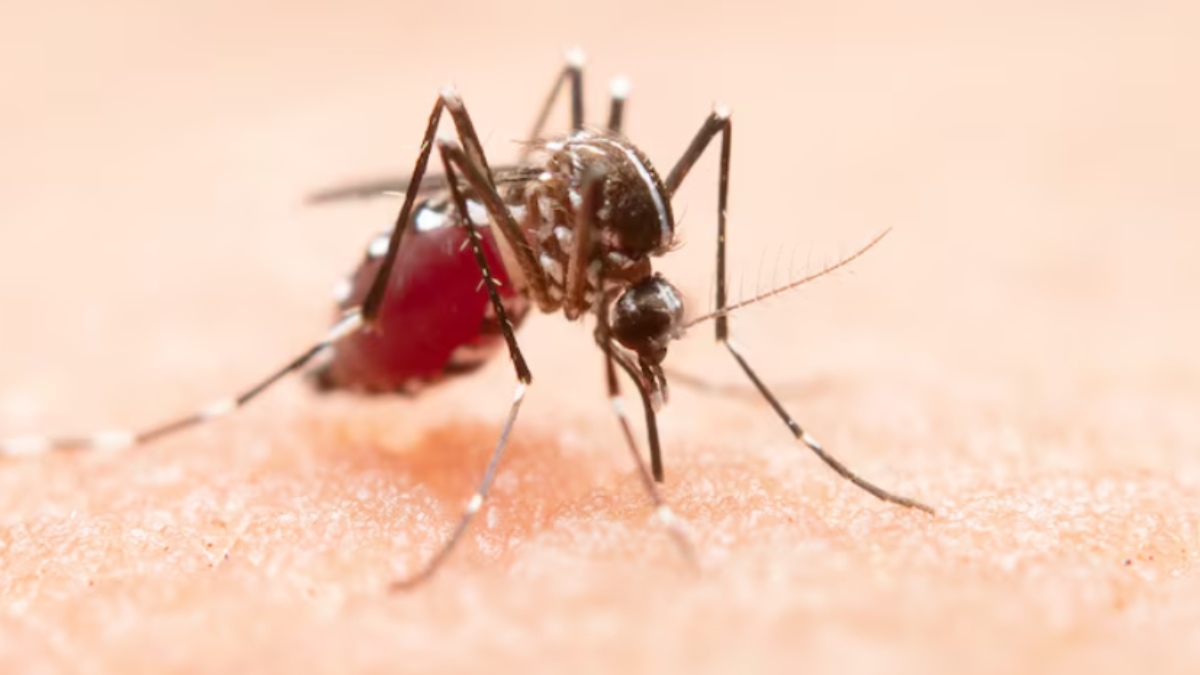
The increase comes at times when rainfall and waterlogging can create favourable breeding conditions for Aedes mosquitoes (which transmit dengue). So there have been more preventive measures in the city.
Malaria Cases also Being Reported
Delhi has also recorded 183 malaria cases during 2026 according to the latest figures cited by MCD. No deaths linked to dengue or malaria have been reported within the numbers covered by the latest report, it said.
Although the dengue numbers have increased significantly in the past monthly record numbers, the report does not prove that September's malaria figure is also a record monthly high. It is more meaningful to say that malaria is still another mosquito-borne disease being monitored by municipal authorities.
MCD Intensifies Mosquito-Control Measures
The MCD has increased anti-mosquito activities in response to the seasonal increase. According to the data, civic teams have visited more than 2.79 crore houses and identified and removed mosquito breeding sites.
Residents are also advised to prevent stagnant water from accumulating around homes, offices and other places. Water stored in containers, coolers, discarded tyres and other locations can become breeding grounds for mosquitoes.
Why September is the key period?
The increase in cases comes during a period when Delhi typically faces increased mosquito activity following the monsoon. The combination of rainfall, humidity and stagnant water can increase the risk of vector-borne diseases.
Health professionals generally recommend that residents be alert to symptoms such as fever, severe headache, body aches, nausea and other signs related to dengue or malaria and seek medical help.