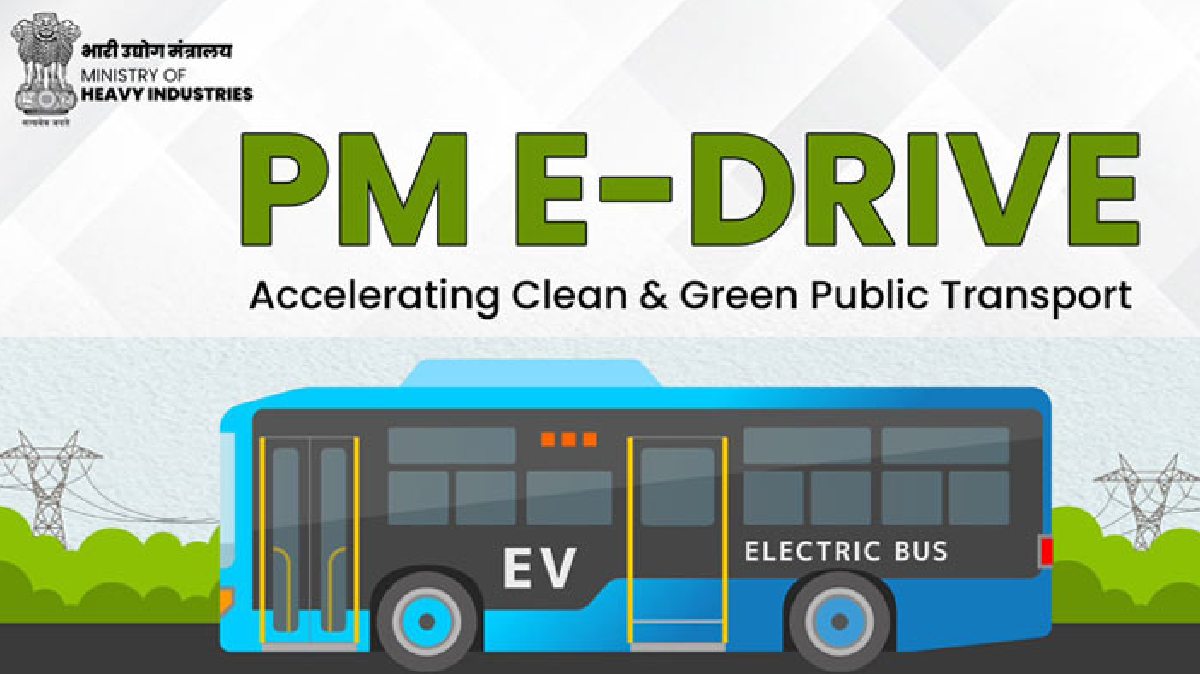
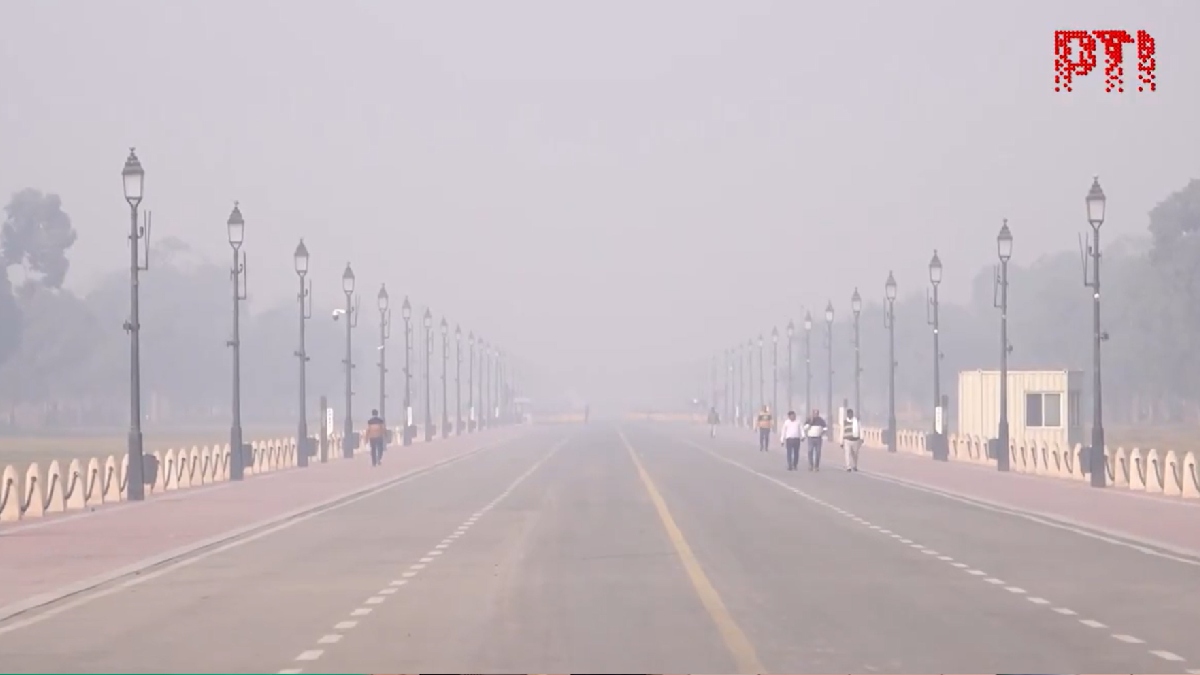
Delhi has approved a landmark Electric Vehicle (EV) Policy to develop the national capital’s transition to clean mobility and overcome the city’s chronic air pollution problem. The policy, approved by the Delhi Cabinet on Monday, is a plan to replace petrol, diesel and CNG vehicles in four years by electric vehicles.
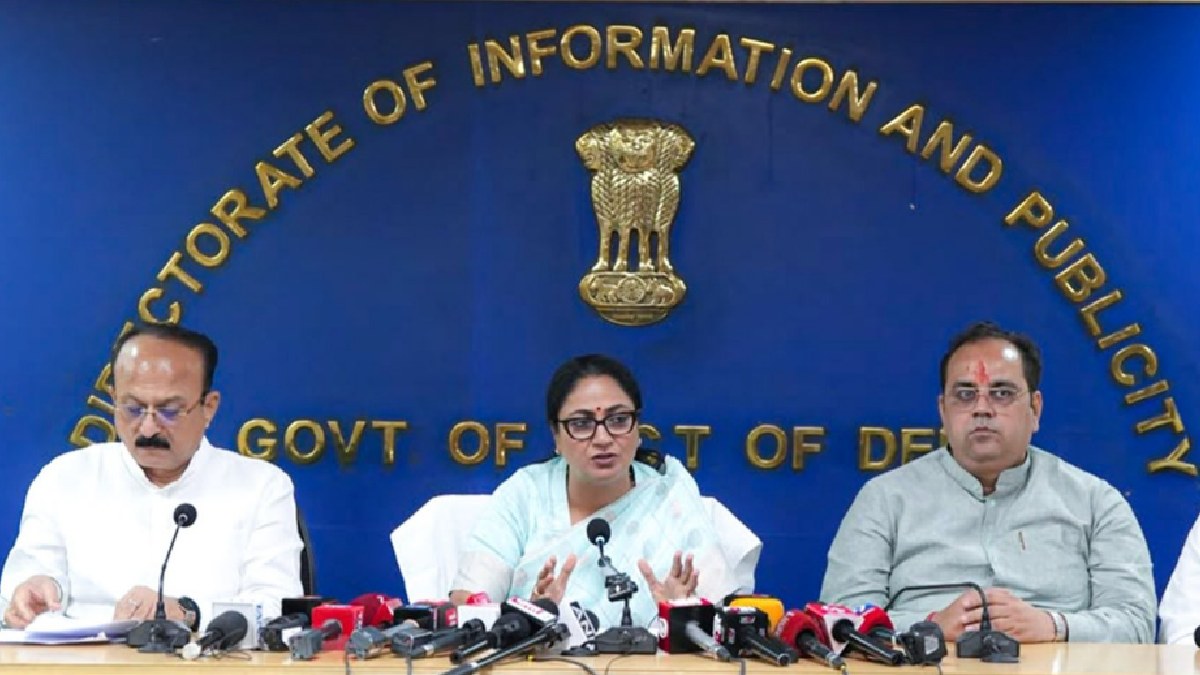
Rekha Gupta, the Chief Minister of Delhi, announced that the policy will be implemented from 1 July 2026 after receiving the Lieutenant Governor's approval, and will be in place until 31 March 2030. With a budget of nearly ₹7,000 crore, the policy is one of Delhi’s most ambitious clean transport initiatives so far.
As a part of the new framework, the government will gradually restrict the registration of new fuel-powered commercial and personal vehicles. A new registration of electric autorickshaws and N1 category light goods vehicles will be permitted in Delhi from 1st January, 2027 onwards. The transition will also be continued from 1st April, 2028 when only electric two-wheelers will be allowed for registration and the registration of new petrol and CNG-powered motorcycles and scooters in the capital will be stopped.
The government has announced a full incentive package for electric vehicles to encourage quicker adoption. Electric two-wheelers will receive incentives up to ₹30,000 and electric autorickshaw buyers up to ₹50,000. N1 electric truck buyers will receive up to ₹1 lakh. And vehicle owners who scrap old vehicles and buy new electric vehicles will receive further benefits from this package.
Transport Commissioner Niharika said that there is no upper limit to the number of electric vehicles eligible for incentives and that people and businesses can claim benefits for multiple purchases. Pure electric vehicles will also benefit from road tax and registration fees, while hybrid vehicles will not be covered as part of the subsidy scheme.
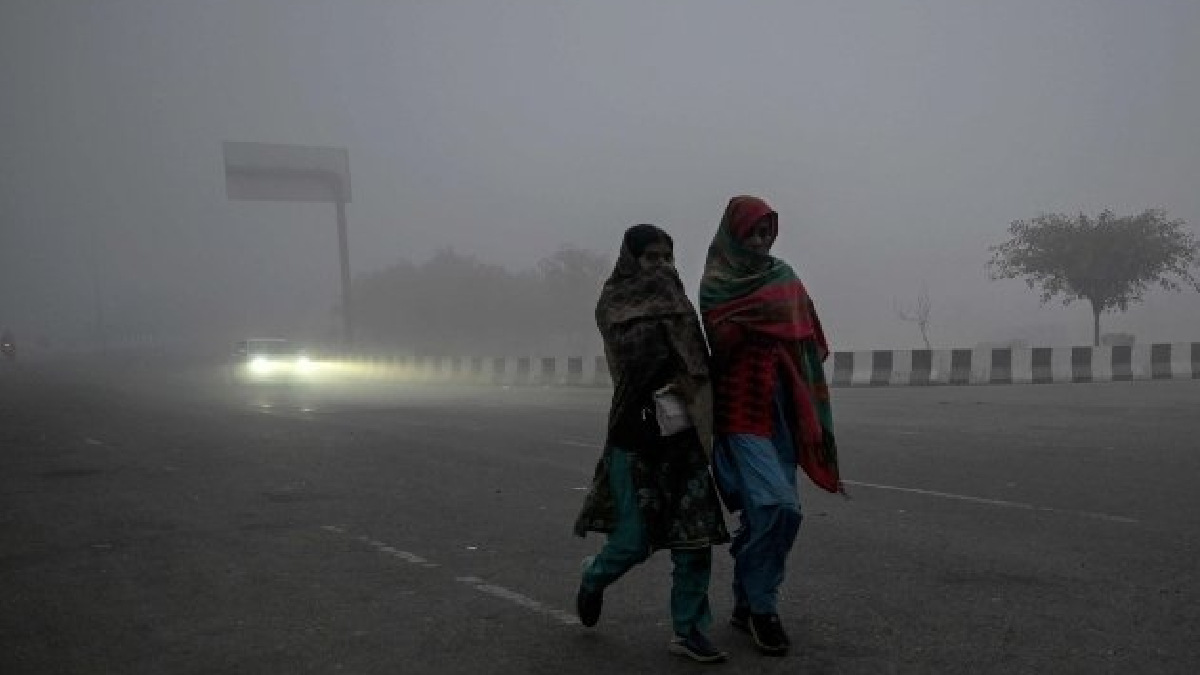
The core of the policy is to strengthen Delhi's EV infrastructure. That is why the government will install 23,000 public charging points across the city in the planning stage for the city to overcome range anxiety and to make ownership of electric vehicles more accessible. In addition to this, school bus fleets will be gradually converted to electric vehicles and the power grid will be upgraded to meet the growing demand for charging facilities.
Transport Minister Dr. Pankaj Singh said the policy was developed with Delhi residents’ best interests in mind and urged them to adopt electric mobility. Manjinder Singh Sirsa, the environment minister, said, “The policy is based on scientific research and we expect it to substantially reduce vehicle pollution, which is one of the major contributors to Delhi's poor air quality.”
Thus, the latest EV policy is very much part of Delhi government’s larger plan to create a more sustainable, cleaner and greener transport ecosystem. If we can execute it, we will see in the years to come that the City of Delhi will be among the best places to park and run electric vehicles, so that people buy and use them more and more.