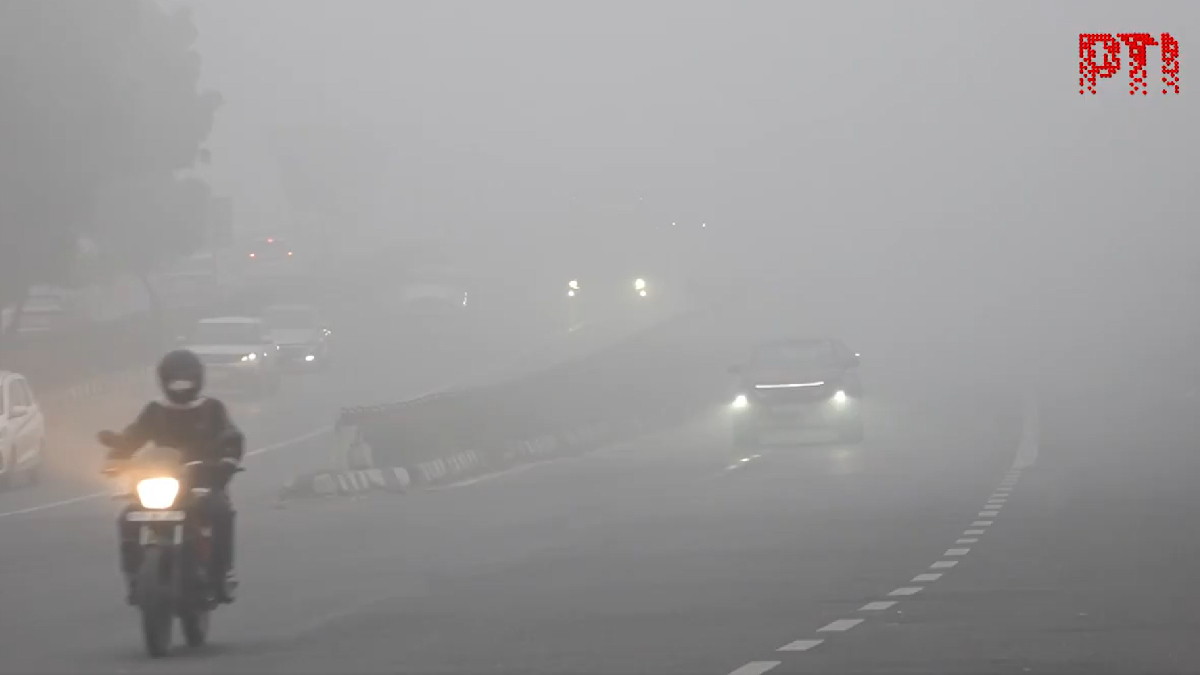
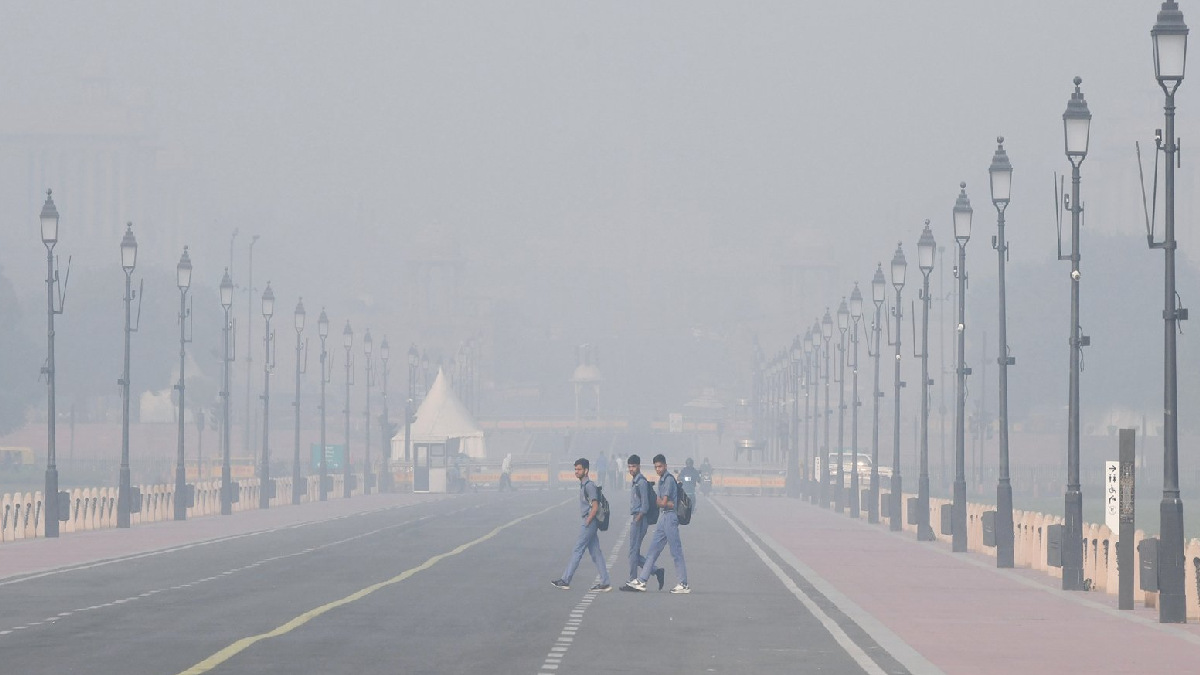
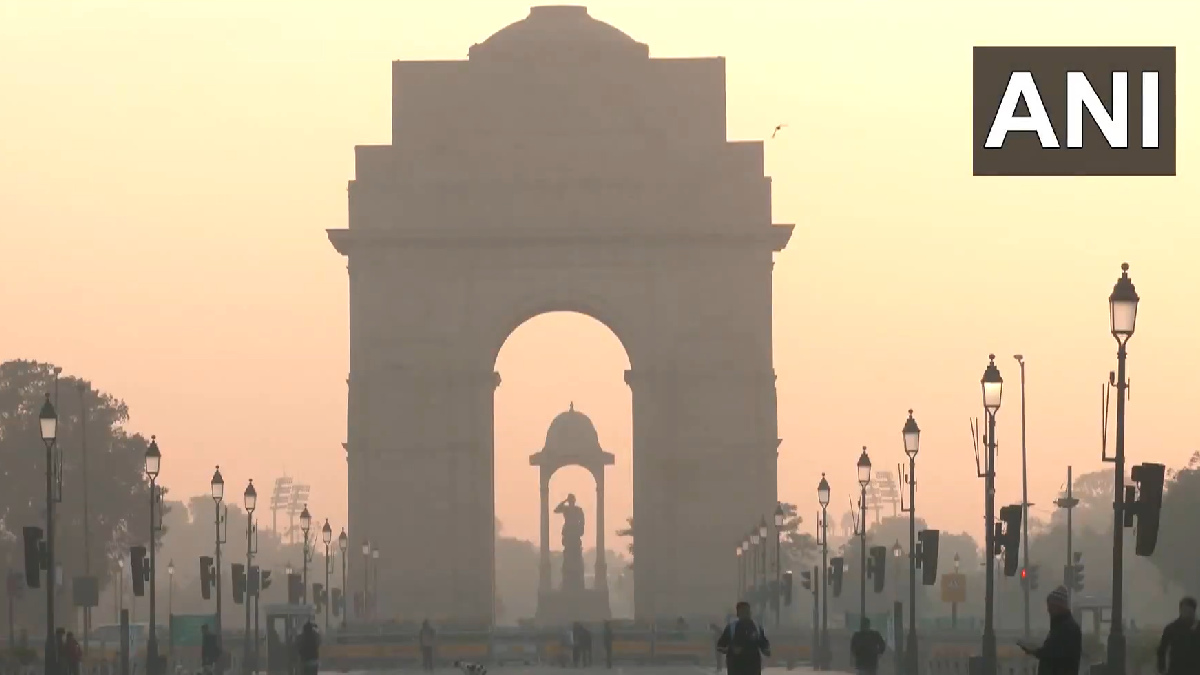
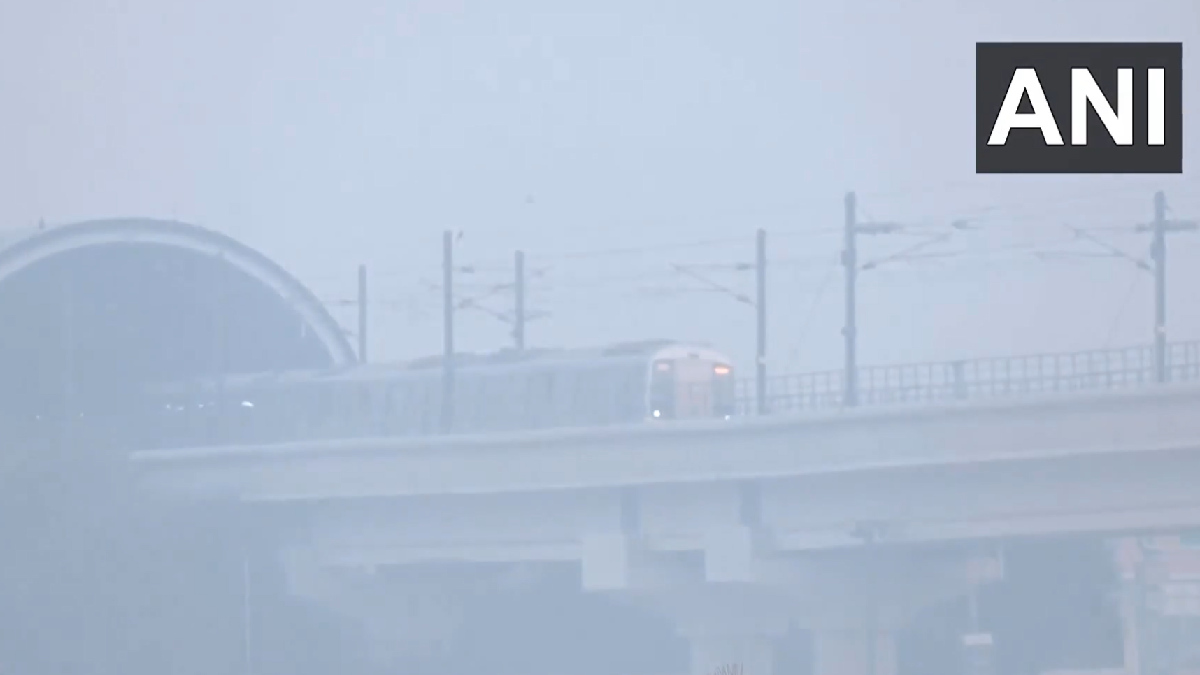
New Delhi continues to grapple with a severe public health crisis as the Air Quality Index (AQI) remains alarmingly high, consistently sitting in the 'Very Poor' category. The average AQI recorded on Friday stood around 359, with several monitoring stations in the National Capital Region (NCR) tipping into the 'Severe' zone, plunging the region into a toxic haze.
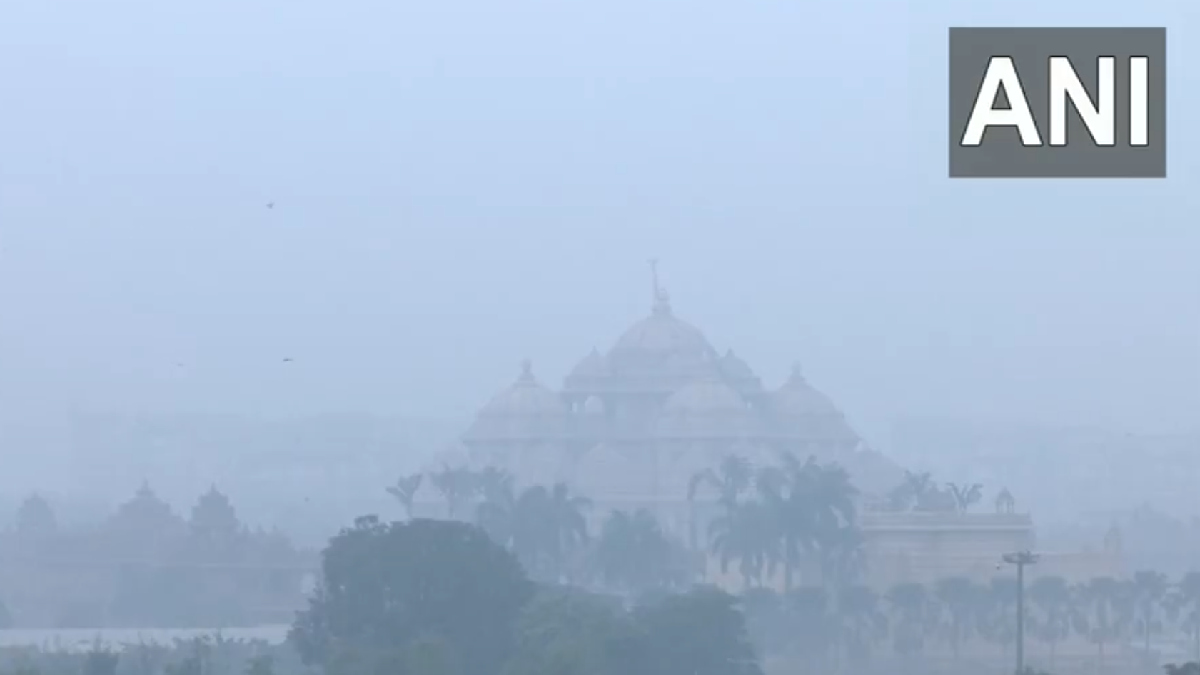
The persistent smog has not only drastically reduced visibility but has also raised grave concerns among health experts and the Supreme Court, prompting strict enforcement of anti-pollution measures.
Air Quality Breakdown: 'Very Poor' to 'Severe'
According to the Central Pollution Control Board (CPCB) data, an AQI between 301 and 400 is classified as 'Very Poor', which can cause respiratory illness upon prolonged exposure. However, the situation is far worse in pollution hotspots, where readings crossed the 400-mark:
- Average AQI: $\approx 359$ ('Very Poor')
- Worst-Hit Areas: Localities like Anand Vihar, Rohini, and Ashok Vihar have repeatedly recorded AQI levels above 400, falling into the 'Severe' category, which affects healthy people and seriously impacts those with existing diseases.
- Key Pollutants: The concentration of PM2.5 and PM10—tiny particulate matter that can lodge deep inside the lungs—remains dangerously high, primarily responsible for the thick blanket of smog engulfing the city.
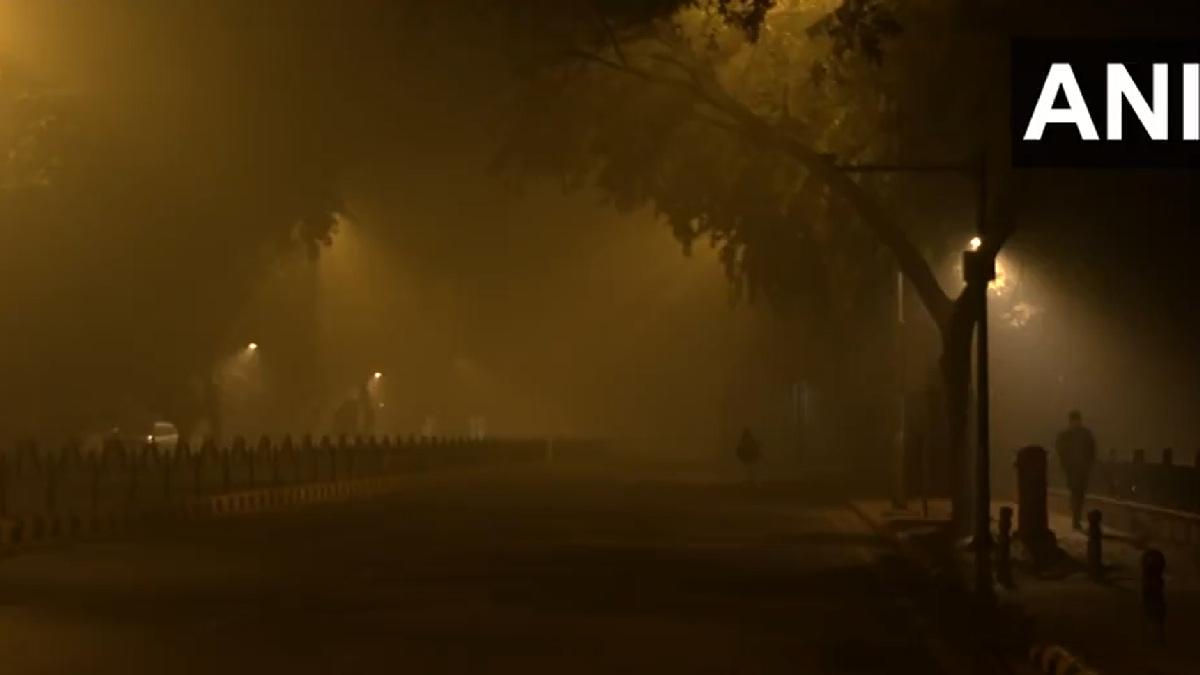
#WATCH | Delhi: Visuals from Akshardham and surrounding areas as a layer of toxic smog blankets the city.
— ANI (@ANI) November 22, 2025
AQI (Air Quality Index) in the area is 422, categorised as 'Severe', as claimed by CPCB (Central Pollution Control Board). pic.twitter.com/ZLIlMGsNtW
The Multiple Causes Behind the Toxic Haze
Delhi's perennial winter air crisis is a result of a deadly combination of regional and local factors:
- Stubble Burning: While the contribution varies daily, crop residue burning in neighbouring states like Punjab and Haryana, combined with north-westerly winds, pushes smoke and particulate matter directly into the NCR basin.
- Local Emission Sources: Vehicles, dust from vast construction and demolition (C&D) sites, industrial emissions, and open waste burning—especially in unauthorised settlements—are major local contributors. Studies suggest open fires (waste, cooking, stubble) account for over half of Delhi's particulate pollution.
- Meteorological Factors: During winter, lower temperatures and minimal wind speed create an inversion layer, trapping the pollutants close to the ground and preventing their dispersal.
Government Action and Judicial Intervention
In response to the escalating crisis, authorities are actively enforcing the emergency measures laid out in the Graded Response Action Plan (GRAP):
-
GRAP-III in Force: The Commission for Air Quality Management (CAQM) has implemented GRAP Stage-III across the NCR. This involves:
-
Strict Restrictions on C&D Activities: A halt on most non-essential construction and demolition work.
-
Industrial Controls: Stricter controls on industrial operations and emissions.
-
Vehicular Restrictions: Bans on certain high-emission vehicles (e.g., BS-III petrol and BS-IV diesel four-wheelers).
-
Dust Control: Intensified mechanical road sweeping and water-sprinkling.
-
-
Supreme Court Directives: The Supreme Court is closely monitoring the situation, issuing strong directives to state governments. The court has specifically mandated that outdoor sports activities for schoolchildren be restricted during the peak pollution months (November to January) to protect children from inhaling the toxic air.
Experts and the judiciary are now pushing for a long-term, science-based plan, including the review of electric vehicle policies and systemic reforms in waste management, rather than relying solely on reactive, temporary measures.
Health Advisory: Stay Indoors and Take Precautions
The hazardous air quality poses immediate risks, especially to children, the elderly, and those with pre-existing respiratory or cardiovascular conditions.
- Minimize Outdoor Exposure: Residents are strongly advised to limit time outdoors.
- Use Air Purifiers/Masks: Wear N95/P100 respirators when stepping out and use high-quality air purifiers indoors.
- Avoid Strenuous Activity: Refrain from heavy exercise or jogging outdoors until the AQI improves.