Delhi government is now moving ahead with smart poles in place across the city and the city is now to modernise its infrastructure and make the public environment a technology-based one. This is going to help in boosting digital connectivity and also help to support different services for the city through a network of integrated infrastructure.
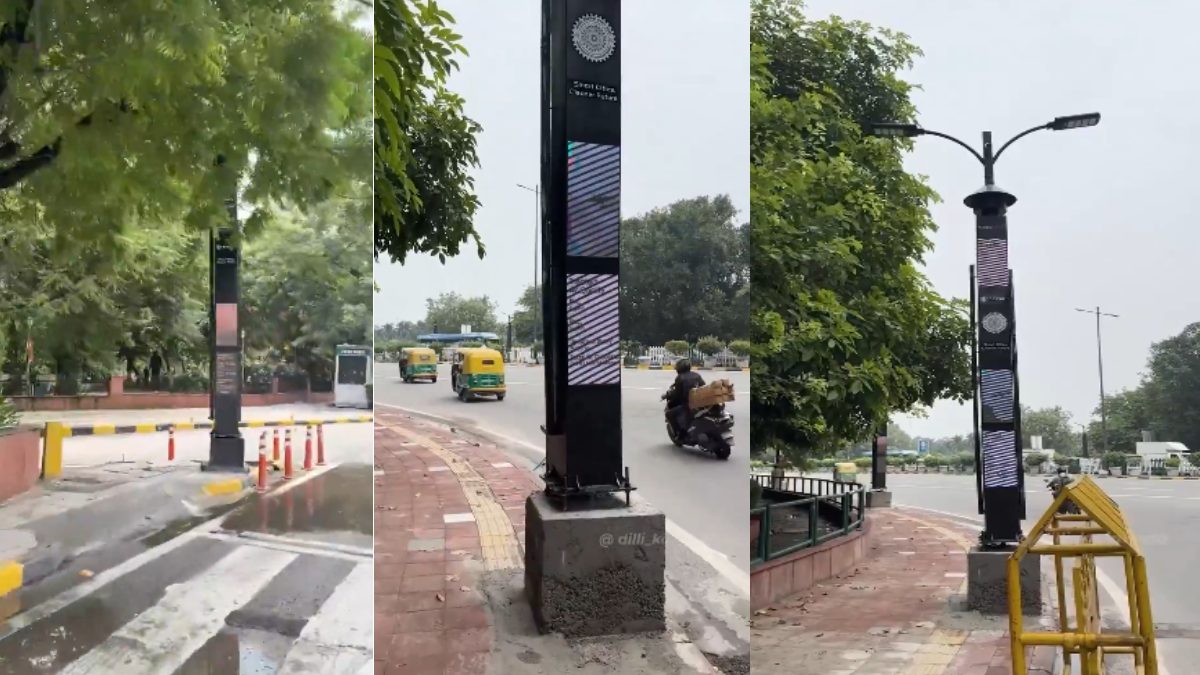
Smart poles are now becoming a big part of modern urban development as cities in some places with a huge population and a growing number of people have been deployed technology-led solutions (so it is just a big part of modern day cities.
Smart poles are designed for more than a single purpose rather than just being typical street lighting facilities. Depending on the technology installed, they can accommodate energy-efficient lighting, surveillance systems, communication equipment, public information displays, sensors, and connectivity infrastructure. Smart poles can help cities make better use of public areas when a combination of services is provided as one.
Smart poles are part of a bigger plan to improve the city's infrastructure and incorporate tech in everyday public services. The capital’s roads and public spaces are full of millions of people, commuters and tourists every day and there is no way to provide infrastructure that works efficiently, is reliable and can be used to meet future needs.
One of the advantages of smart poles is that they provide better connectivity. With the need for digital services becoming more and more prevalent in urban areas, the need for a better communication infrastructure has become a big concern. Smart poles can be used to provide the desired locations for communication equipment and other digital technologies to be installed to create a more connected environment for residents and visitors.
Smart poles can also improve street lighting. LED-based lighting systems can produce better lighting but they also consume less electricity than older lighting systems. If automated controls and sensors are installed in conjunction, lighting systems can be adjusted to the environment and usage patterns and can be used to better manage energy.
Public safety is another important application. Smart poles can be equipped with surveillance cameras and other monitoring technologies, depending on the project design. Such systems can assist authorities in monitoring public areas and responding more effectively to incidents. But surveillance technology also needs to be deployed with proper safeguards, data management and compliance with privacy regulations.
The infrastructure can also support traffic management. Sensors and communication equipment installed on smart poles can be used in intelligent transportation systems to collect information about traffic conditions and urban activity. Such data can help authorities understand congestion patterns and better manage the busy roads and public areas.
For Delhi, it is a time when urban infrastructure is being asked to perform more than one kind of work. Traditional infrastructure is generally for a single purpose (e.g., lighting or signage). Smart infrastructure can combine different technologies and services into a single structure. This can reduce the need for many separate structures on roads and footpaths.
The smart pole initiative could also help to accelerate Delhi’s broader digital transformation. Technology is being integrated into government services, transportation, public utilities and civic management. Smart poles can be physical infrastructure that connects these digital systems to the public and opens up new technology-based services to be created.
The impact of the project on residents will ultimately depend on how extensively the smart poles are deployed and which services are integrated into them. Construction of such projects is not sufficient to drive new structures, but can also be done in a way that is safe, reliable, and that is in line with government agencies and service providers keeping the project going regularly.
There is also an environmental aspect to smart infrastructure. Energy-efficient lighting and intelligent systems could potentially reduce electricity consumption and operational costs. If renewable energy solutions are integrated into some installations, the infrastructure could even better be used for sustainability goals. But the actual environmental advantages will depend on the technology and operating systems used.
The city of Delhi is so big and diverse, and smart infrastructure can have different applications in different locations. Busy commercial districts, residential neighbourhoods, transport corridors and public spaces have different requirements as well so authorities are required to consider local needs when designing smart poles.
The initiative is in line with a larger trend in India and other major cities around the world. Urban administrations are now looking more and more at Internet of Things technologies, connected sensors, intelligent lighting and digital signage and real-time monitoring systems to make cities more responsive. Smart poles are a natural platform to deploy these kinds of technologies without needing to build a separate infrastructure for each application.
Technology-enabled infrastructure will become more and more important as Delhi grows and modernises. Smart poles could be the platform for other digital services in the future, as communication networks and smart city technologies evolve.
Public acceptance will be key at the same time. Residents will likely judge the project based on the improvements in the lighting system, better connectivity, better public safety and better civic services. With clear information on the purpose of the installations and the associated technologies, public confidence will also be raised.
🚨 Delhi government is installing smart poles in the city. pic.twitter.com/NAWSfWO1Co
— Indian Tech & Infra (@IndianTechGuide) August 31, 2026
The Delhi government’s smart pole initiative is more than a change in street furniture. It is part of a larger effort to integrate technology into the city’s physical infrastructure and prepare public spaces for increasingly connected services. If done well and maintained properly, smart poles could help Delhi move towards a more efficient, connected and technology-enabled urban environment.
As the installation work goes forward, residents will look out for how the new infrastructure is used and if it makes any tangible difference in daily city life. And the project could be a key part of Delhi’s ongoing urban modernisation as it unites digital and civic functions into one smart infrastructure.