Delhi ended the month of July with its worst average air quality in six years, a stark environmental paradox during a time when air quality in the city was such a good day for the national capital. According to CPCB data, Delhi averaged an AQI of 119 during July. A higher July average has occurred only three times since the CPCB started calculating the AQI in 2015, in 2019 at 134, 2016 at 138 and 2015 at 146. This high July average is a sudden and surprising change from the comparatively clean rate of 78 for the previous year.
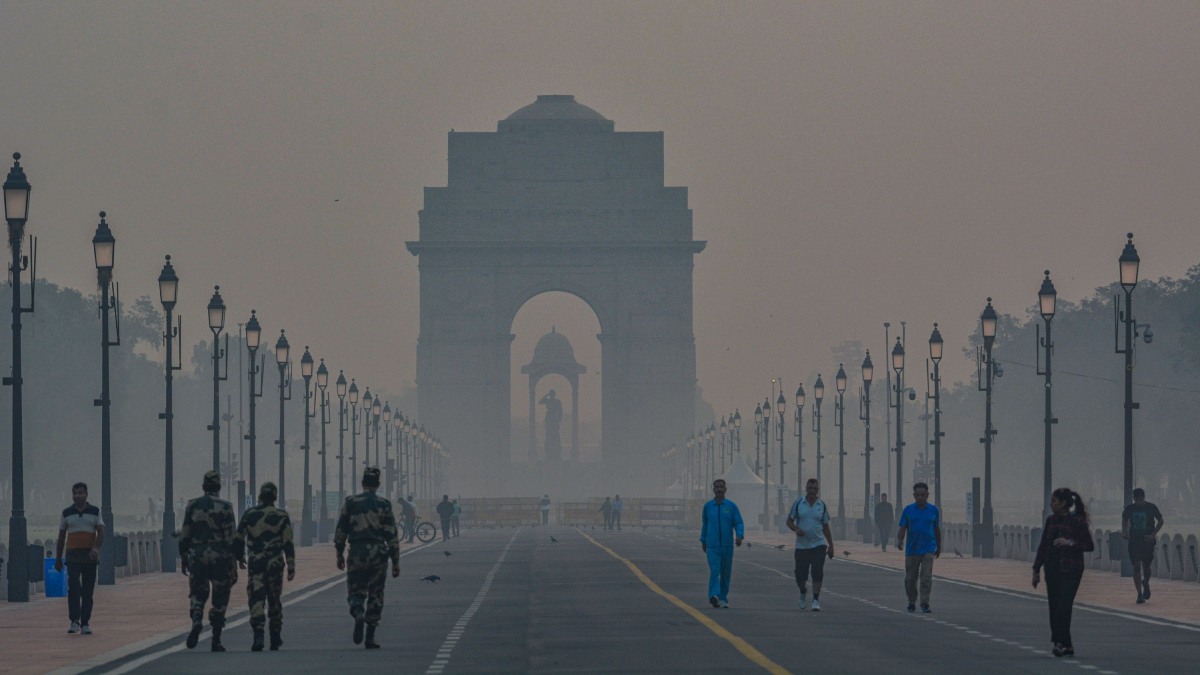
The month was characterized by weather and environmental extremes in the capital region that were so far out of this world. The cleanest day occurred in the middle of the month when heavy rains washed suspended particulates out of the air and Delhi achieved a very high AQI of 48 on 9 July. This was the city’s first “good” air quality day in the month of July in nine years and the lowest one-day reading since 2017. But that clean weather was short-lived. Between 12 and 13 July, massive dust storms pinged across the region from Central Asia, leading to a daily average of 261, the highest daily AQI in July in five years.
This sudden increase in monthly pollution levels occurred despite Delhi receiving a lot of surplus rainfall. The main Safdarjung station recorded 254.7 mm of rainfall, which is 26 percent above the normal monthly average. Environmental experts and meteorologists have said the real cause of the problem was the uneven distribution of rainfall and not the total amount. The monsoon season was characterized by long dry breaks lasting more than a week. Not the regular, steady rain with clear and steady rain that is a wash and clean-up of the atmosphere, but concentrated and heavy rainfall in small (and long) intervals with dry periods in between.
During these long dry and windy periods, high atmospheric humidity caused coarse dust particles (PM10) to persist in the lower atmosphere and not simply settle down permanently. Regional transboundary dust plumes from arid areas in Pakistan, Afghanistan and Iran filled the capital's airshed during the dry spells. While the monsoon cleaned the skies briefly, when monsoon rains were not constant and regular enough, persistent local vehicular emissions and suspended dust accumulated rapidly again, and the Delhi residents are now in the midst of the worst polluted July since 2019.