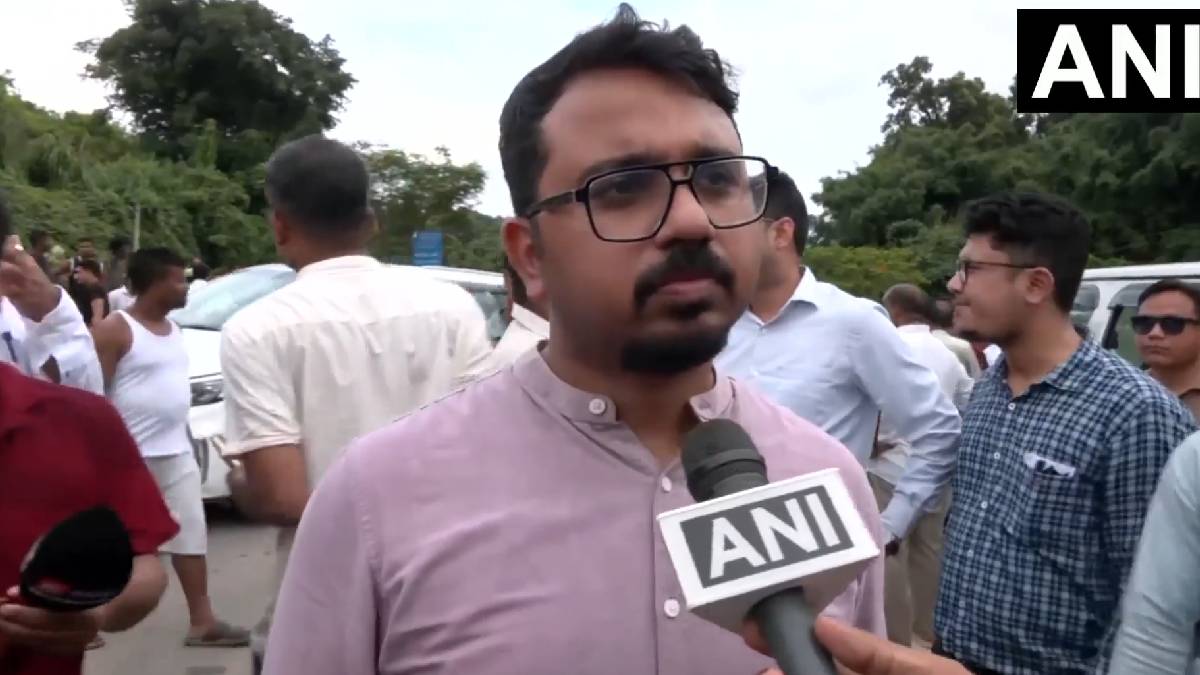
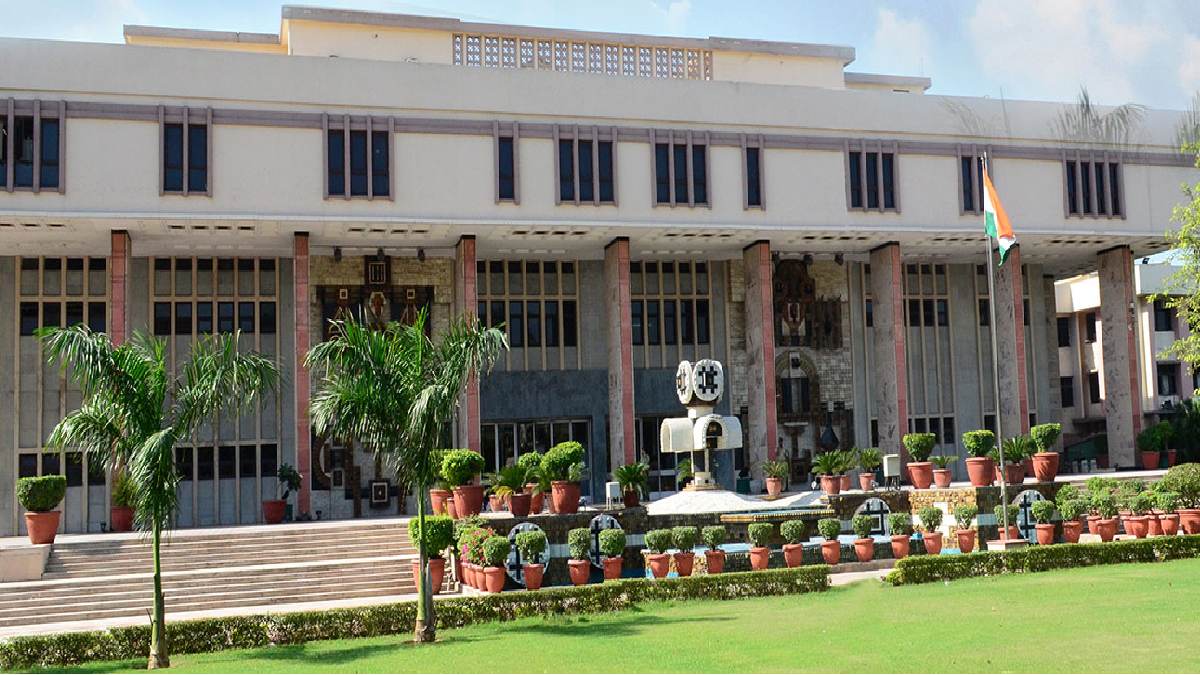
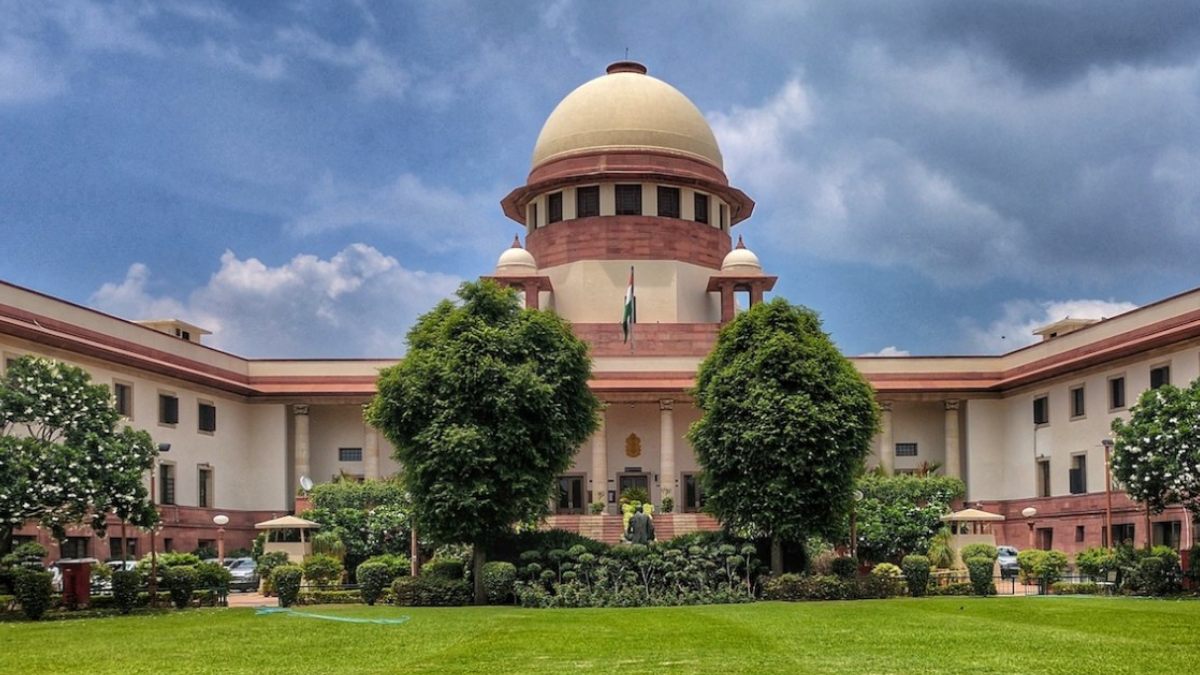
The Delhi High Court has said that, in the digital age, anyone with a phone and microphone can claim to be a reporter and thus is a journalist. It is not only the media platforms; social media and smartphones and digital publishing have transformed the media landscape but the news dissemination as well. When the court considered journalism, media, and the changing nature of news dissemination in the digital world.
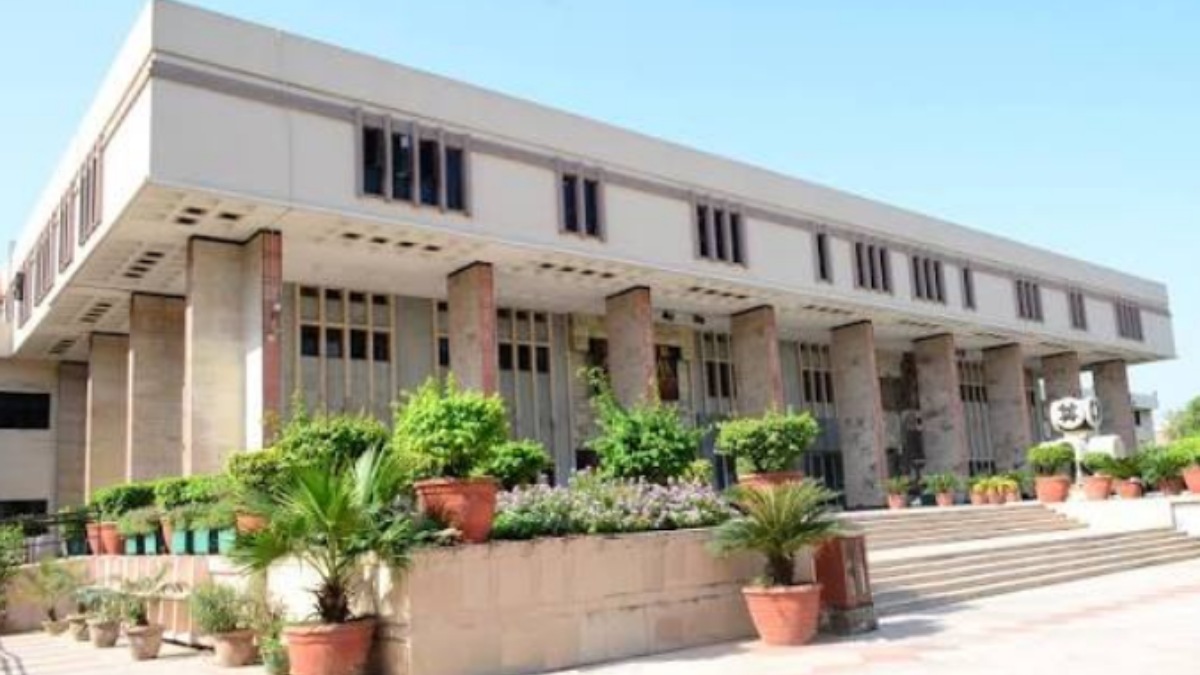
The court’s words reflect the increasing role of citizen journalism and independent content production, where technological advancements have enabled virtually anyone with internet access to publish news, opinions, interviews, or live updates. Digital platforms, where editorial supervision, institutional accountability, and professional standards have been away from the mainstream of journalism, are now giving people access to masses of people in a very short time via social media, video sharing, and live streaming.
As media production has become more and more decentralized, the high court’s observation was not a general verdict against independent journalism but rather a reflection of issues associated with it. Digital technology has democratized access to information and empowered people to report events in real time, but it has also raised questions about truth, verification, misinformation, ethical reporting, and accountability.
Over the past decade, smartphones with high-resolution cameras and affordable internet access have revolutionized news production and consumption. Breaking news often comes out first through eyewitness videos, social media posts, or independent content creators before traditional media organizations have the information to report. This rapid flow of information has changed journalism; content providers also have to ensure factual accuracy.
Media experts insist that professional journalism is not only that of recording equipment, it is also about fact-checking, checking for multiple sources, editorial review, fairness, independence, and ethical reporting and media practice. These principles help to maintain public trust and to reduce the spread of false or misleading information.
Digital media have brought greater citizen involvement in public conversation. People can now record local events, speak out on public issues, and raise voices that have otherwise been not addressed in mainstream media. Citizen journalism has been instrumental in natural disasters, protests, emergencies, and community events because of immediate visual evidence and real-time witness accounts.
Even so, the lack of editorial oversight in most online platforms has led to problems with misinformation, manipulated content, fake news, impersonation, and sensational reporting. The courts, governments, technology companies, and media organizations are trying to reconcile freedom of expression and responsible journalism with constitutional protections for free speech.
The Delhi High Court’s observation comes at a time of increasing discussion of digital media regulation and accountability in the absence of press freedom. Any regulatory framework, for anyone to have any constitutional rights to be balanced with the public interest to prevent the spread of false or harmful information, is to be closely considered as a matter of law and policy, legal experts say.
Media organizations have also adapted to the changing landscape by using digital platforms but still focusing on professional reporting standards. Many established news outlets now integrate traditional reporting with social media updates, digital video production, podcasts, and live coverage, taking into account that audiences nowadays consume news from multiple platforms.
Media literacy is as important to the public as it has ever been, journalism educators say. As people are bombarded with information from thousands of online sources each day, they are encouraged to seek credible sources, look for misinformation that informs or misleads news, and differentiate between opinion and fact.
The court's remarks have generated debate in both media and legal circles about the evolving definition of journalism in the digital age. Some see the comments as a recognition that media has democratized and others see them as a reminder of the need to keep professional standards up with technological advancements.
Legal scholars have observed that courts frequently make observations during hearings to contextualize broader issues before them. Not necessarily binding legal principles, these observations are frequently part of discussions about society changing and new legal issues.
Digital communication is transforming journalism all over the world. Technology has reduced the barriers to publishing information but also increased the need for ethics in reporting, responsible content production, and informed media consumption. The Delhi High Court’s observation brings to light the fact that although we may have the tools to report events, credibility is all about truth, integrity, verification, and public trust.
With digital media expanding, maintaining these journalistic values will be critical to the public getting information it needs to be accurate and to the democratic principles of free speech and a free and independent press.