As electric vehicles (EVs), renewable energy storage systems and consumer electronics demand increase, India is increasingly turning to artificial intelligence (AI) to solve one of the biggest challenges of the clean energy transition - recycling lithium-ion batteries.
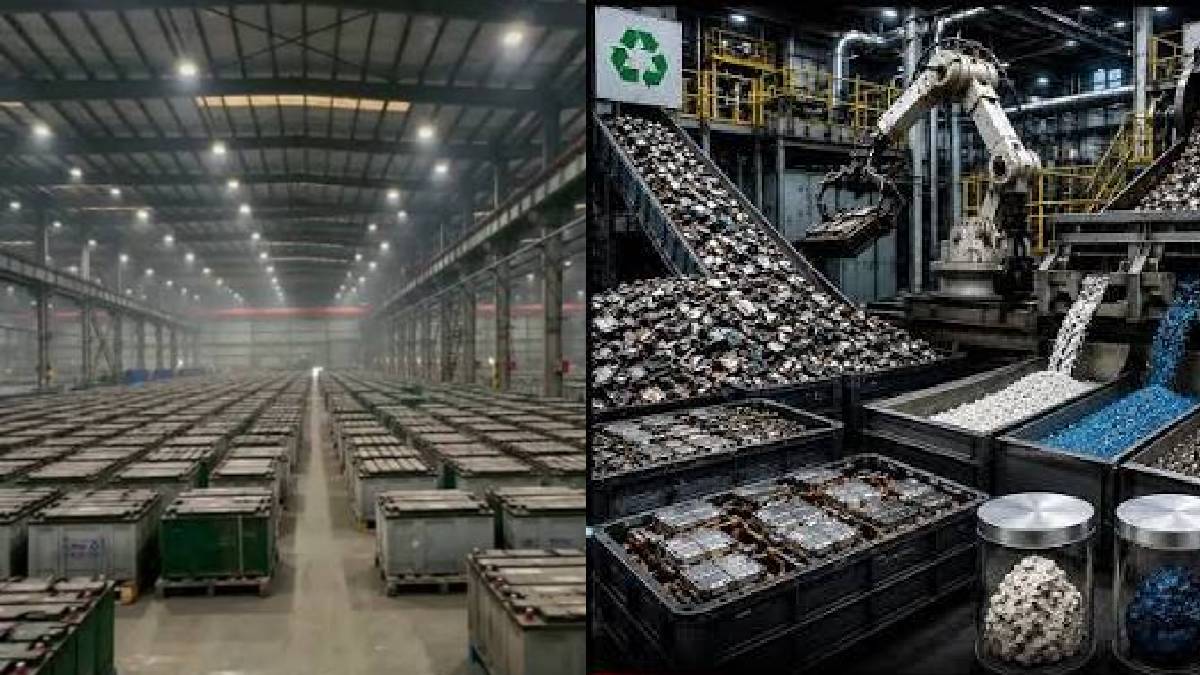
With global demand for critical minerals like lithium, cobalt, nickel and graphite expected to surge over the next decade, AI-driven battery recycling is emerging as a strategic solution to reduce import dependence and promote a circular economy.
India currently imports much of the lithium and other critical minerals required for battery production. With the growth of the EV market in the country and environmental protection measures in place, it is a national priority to have supplies of these minerals on hand.
AI is now a major factor in the efficient recycling of batteries. Traditional battery recycling methods have to be done manually and are costly. AI-based systems can detect battery types automatically, assess battery health and identify the best recycling method at a given point in time.
Machine learning algorithms can also identify battery health and identify reusable elements before recycling is done.
Computer vision, robotics, and data analytics enable these intelligent systems to identify the value of materials to be separated from spent batteries more accurately. This not only increases the recovery rate of critical minerals that can be recovered in that facility but reduces operational costs and minimizes the environmental impact.
Many Indian startups and research institutes are investing in advanced battery recycling technologies. Now, companies are starting up AI-based automated recycling plants to produce lithium, cobalt, nickel, manganese and copper at higher purity levels. The recovered materials can be used in the production of new batteries and reduce reliance on imported raw materials.
India's government has also introduced policies to encourage battery recycling through Extended Producer Responsibility (EPR) regulations. But manufacturers and importers need to do better and collect and recycle used batteries in an environmentally friendly manner.
AI-based tracking systems can help companies monitor battery life cycles, comply with regulations and optimize reverse logistics.
Experts say battery recycling will become a multi-billion-dollar industry in India in a decade. With millions of EV batteries potentially dying out by the end of the decade to 15 years, the country has an opportunity to be a global recycling hub.
Besides resource recovery, AI can also enhance worker safety when it comes to identifying damaged or hazardous batteries before they are ready for processing and that is what is most effective. Predictive maintenance systems can also help to minimize downtime of equipment and increase the efficiency of plants.
But there are still a lot of challenges for India: we still need to invest more in recycling infrastructure, in battery design and in trained people to manage AI-powered recycling facilities. Government agencies, battery manufacturers, tech firms and research organizations need to work together to scale these solutions nationwide.
As countries compete for access to critical minerals, AI-driven recycling is a sustainable path to resource security for India. If we can recycle the valuable materials from used batteries instead of using mining and imports to drive India’s clean energy program and reduce environmental impact, we will be able to accelerate India’s clean energy program and reduce the environmental impact.
AI-powered battery recycling is, if implemented successfully, one of the key pillars of India’s green economy and can significantly contribute to meeting future demand for minerals and supporting the country’s energy independence and net-zero emissions goal.