There was a wave of travel problems for commuters in central Delhi on Saturday as 18 Delhi Metro stations were closed down for the fourth day in a row because of widespread security precautions in central Delhi as the Cockroach Janta Party (CJP) protest at Jantar Mantar was going on in the city. The long-running closure has affected thousands of daily commuters and officials have advised them to take alternate routes and keep track of information about the situation through official transport advisories.
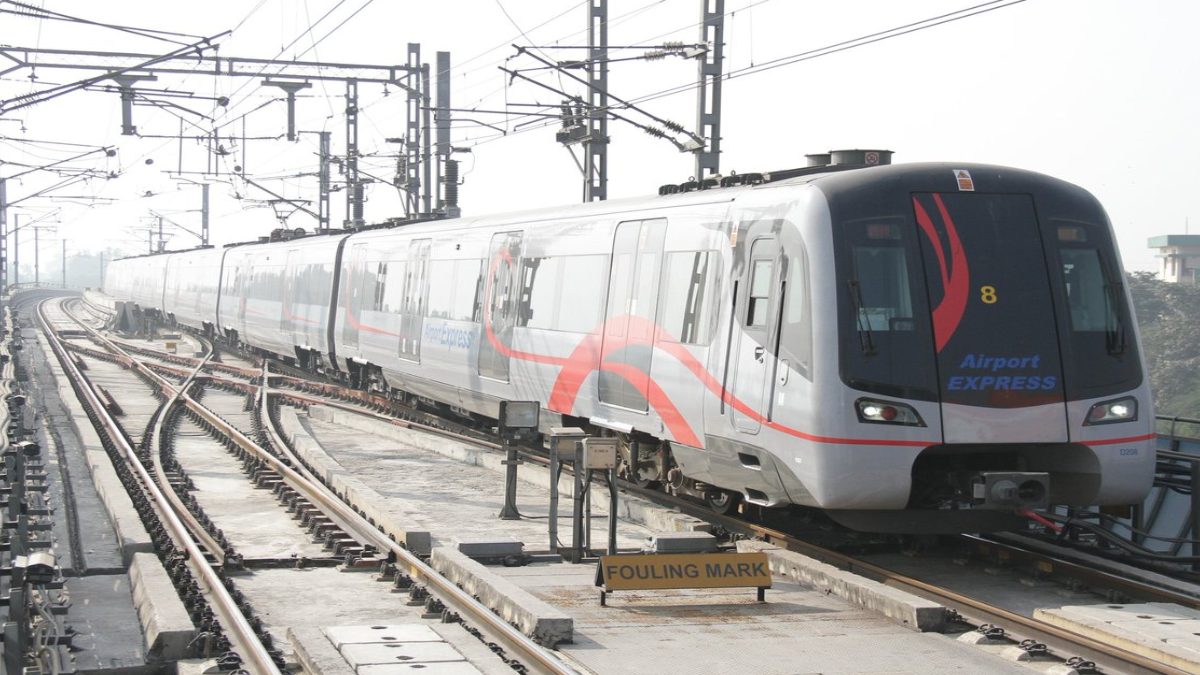
The stations are closed as a precautionary measure to protect the public at Jantar Mantar. Security on the protest site has been increased and police have been in close proximity to the place so that public safety and law and order are maintained, DMRC said.
For the fourth day in a row, metro services remain suspended at the affected stations, affecting office commuters, students, tourists, and others dependent on Delhi Metro service as one of the city's main modes of public transport. However, train services continued on most parts of the metro network, either skipping the closed stations or stopping services on the basis of the authorities' requirements.
The CJP protest around Jantar Mantar has attracted a lot of public attention and Delhi Police officers and security forces have been put out in big numbers to control the situation all around. Protests are under control and police have been put up around the city to control the situation in the event of any mishap.
Closures of metro stations have had a ripple effect on road transportation. With many people opting for buses, taxis, auto-rickshaws, and private vehicles in several parts of central Delhi, traffic has become higher. There has been more than four hours of traffic in peak office hours, when roads around the restricted zones are filled with cars as people are going to work.
The government has advised the public to cooperate with security forces and not to travel to affected areas unless required. Passengers are also advised to check service updates from the Delhi Metro Rail Corporation before they go on the train. Transport authorities have also advised transit authorities to use alternative metro stations, feeder buses, and other modes of public transport (bus or train) where possible so as not to inconvenience people.
Delhi Metro, the backbone of public transportation in the National Capital Region, carries millions of passengers every day. Temporary station closures due to security issues are rare and are generally made only after communications between the metro administration and law enforcement agencies when public safety is the priority. Such measures have been implemented before during large public demonstrations, high-profile events, and national celebrations that require an above-board security response.
Even though temporary travel restrictions can be seen as a nuisance, urban transport experts say that coordination between transport authorities and security agencies in large public crowds is essential. Communication by way of official advisories, digital information boards, social media channels, and public announcements to help commuters make travel decisions and avoid service disruption can help them to make informed decisions and not to get confused in the middle of a service disruption.
Businesses around the central Delhi area have also had different effects due to reduced footfall from restricted Metro access. Retail outlets, restaurants, and commercial offices in the area have had to be moved away from the congestion and restricted areas to get to the market.
It will be up to the authorities to assess the situation and decide when metro stations will be reopened based on security checks, they said. The commuters should not worry about the situation, the officials said, and regular services will be resumed once it is safe to do so.
While the CJP protest continues near Jantar Mantar, the extended closure of 18 central Delhi Metro stations shows how the authorities must balance public safety and smooth the flow of Delhi's roads and highways to one of the busiest urban transit systems. There will be further updates on metro operations as the security situation changes.