The travel between India’s two largest metropolitan cities will be much faster as Union Road Transport and Highways Minister Nitin Gadkari has given a major update on the much-awaited Delhi Mumbai Expressway.
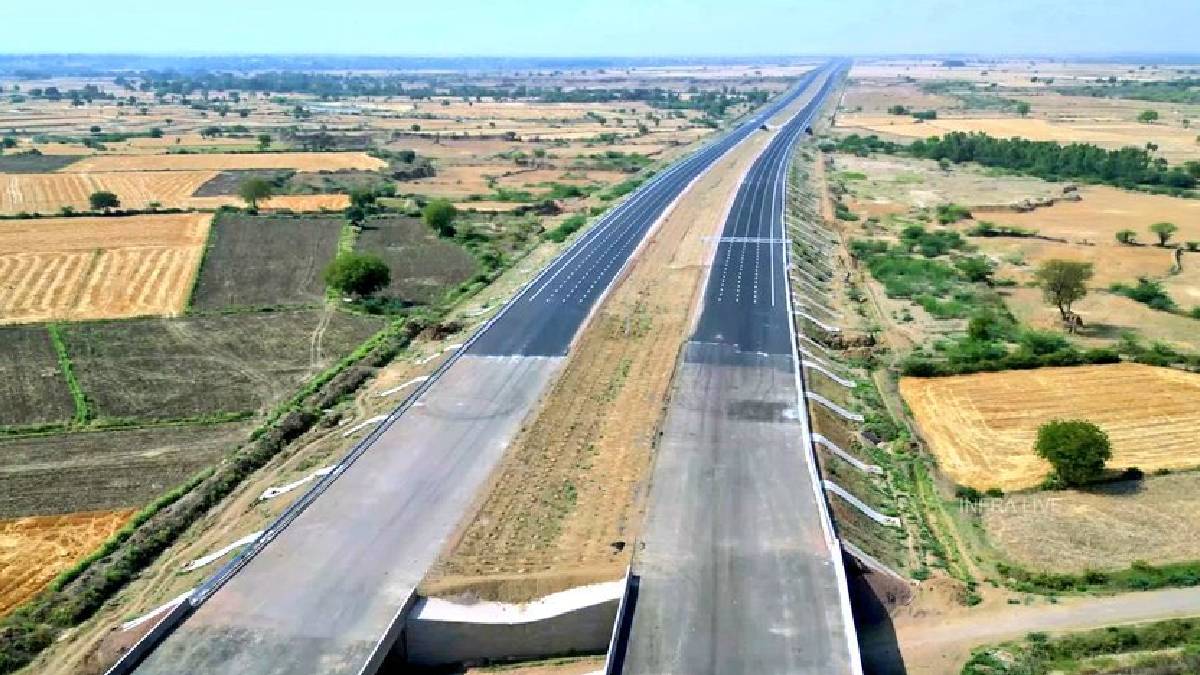
When fully operational, the expressway will reduce travel time between Delhi and Mumbai from nearly 24 hours to just around 12 hours and will bring about a complete redesign in road networks across the country.
The Delhi-Mumbai Expressway is one of India's largest infrastructure projects and is being developed to improve connectivity, reduce logistics costs, and boost economic growth.
Covering nearly 1,386 kilometres, the access controlled expressway passes through six states Delhi, Haryana, Rajasthan, Madhya Pradesh, Gujarat, and Maharashtra.
The remaining construction work is progressing very fast, and the entire expressway will be completed by October 2026, Gadkari said.
Some sections of the expressway are already open to the public, and the rest is in the final stage.
When completed, commuters traveling from Delhi to Mumbai will have smooth traffic flow and travel times, and there will be improved road safety.
The expressway has been built to modern engineering standards with multiple lanes, managed entry and exit points, intelligent traffic management systems, emergency response systems, and service roads which are well equipped for service and equipped with appropriate access points on the road.
The expressway starts near Sohna in Haryana and bypasses the congested routes through Gurugram and travels through Alwar, Dausa, Kota, Ratlam, Vadodara, Bharuch, Surat, and Virar before reaching Mumbai.
By avoiding the crowded urban centres, the route will be quicker and more efficient.
Apart from saving passengers’ time, the project will bring economic benefits too.
Commercial vehicles will be able to move faster, supply chains could be better, and e-commerce, manufacturing, etc. would be supported, and employment would be created along the way as well.
The Delhi-Mumbai Expressway forms a key part of the government's plan to modernise India's highway network with the Bharatmala Pariyojana programme.
The project aims to improve interstate connectivity and strengthen the country's transportation infrastructure to address the growing economic demands.
Travellers will find the convenience of wayside facilities, fuel stations, electric vehicle charging points, food courts, rest areas, medical facilities, and surveillance systems more convenient in long-distance rides to be a benefit and better for both the owners of private vehicles and commercial transport.
Although the expressway is almost completed, officials recommend that commuters check the status of different parts before taking their journey since some of the sections are to open in phases until the project is completed.
With the deadline near, the Delhi-Mumbai Expressway is already one of India’s most critical road infrastructure achievements.
By cutting travel time by almost half and connecting six states, it will redefine long-distance road travel and will be a great boost to trade, tourism, and regional development.