Heavy monsoon rains brought disaster to Uttarakhand’s Tehri district, in which part of a hotel and a nearby residential house collapsed within seconds of heavy rain and proved that the effects of heavy monsoon rains are destructive for a hotel in Uttarakhand’s Tehri district.
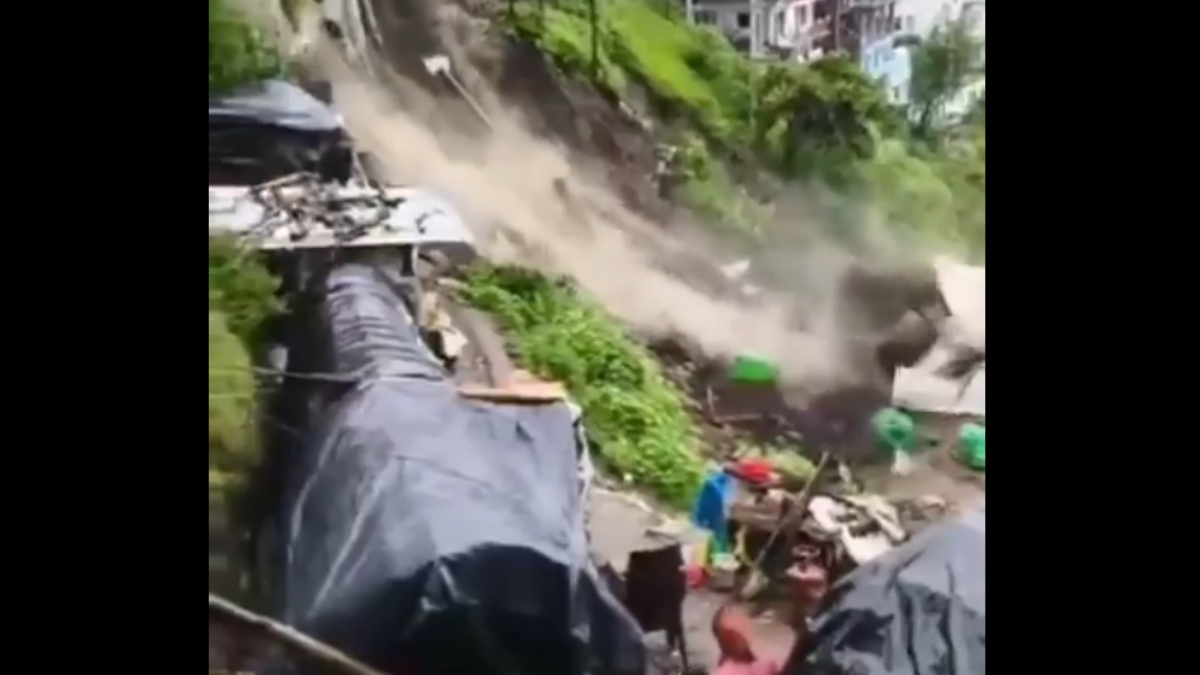
The incident, captured on video by local residents on social media, has triggered a nationwide storm of concern on local television as to what happens to buildings in landslide-prone areas during the monsoon season.
The footage shows part of the buildings collapsing at once as the surrounding soil gave way due to constant rain. Big clouds of dust and debris were seen as the buildings collapsed and the onlookers were able to watch and record.
At least, early reports are that the occupants had evacuated the buildings before the collapse and there was no immediate loss of life.
The collapse took place as the soil was saturated and unstable from rains which caused problems for the buildings in Uttarakhand in the past few days, the authorities said.
District administration, police, and disaster management authorities arrived on site immediately after the incident to secure the area and investigate the damage. Barricades were erected around the collapsed buildings to prevent people from entering the danger zone and engineers started checking the stability of nearby buildings for structural stability.
There's also doubt that soil erosion caused by heavy rainfall weakened the foundation under the hotel and adjacent house. In hilly areas like Tehri, long-term rain often increases water seepage into slopes in the hills for the sake of erosion and landslides and structural failures occur more frequently.
The India Meteorological Department (IMD) has predicted continuous rainfall in several Uttarakhand districts in the next couple of days with heavy to very heavy showers in isolated places. Residents in the heart of vulnerable slopes, riverbanks and landslide prone areas are advised to keep calm and follow official advice.
The collapse has once again highlighted the challenges of infrastructure development in the fragile Himalayan ecosystem. The terrain, heavy rainfall and continuous geological activity require high construction standards, drainage systems and monitoring to guarantee the safety of buildings in mountainous areas, experts say.
Every monsoon season Uttarakhand is hit with landslides and flash floods that disrupt transportation and threaten lives and property. Roads between remote villages are often blocked by falling rocks and debris and overflowing rivers destroy bridges and nearby houses.
The state government has also intensified disaster preparedness measures by sending personnel from the State Disaster Response Force (SDRF), National Disaster Response Force (NDRF), police and local administration to low-lying areas. Emergency teams are on stand-by for landslides, flooding and other weather-related emergencies.
Residents should not travel when heavy rainfall and landslide activity are taking place in areas, the government said. At hill stations, visitors should also monitor weather forecasts and follow directions from district authorities to make sure they are safe.
As long as we do not fail to know what’s happening with the soil as well as keep our slope inspections on track, we will need to be prepared for the impacts of high rain events, and we will be at risk of severe climate change.
Building collapses following a landslide on National Highway-707A at Kaddukhal in Tehri District on Wednesday evening. #Uttarakhand #NaturalDisasters #Monsoon pic.twitter.com/mUVeHOop2i
— kautilyasTOI (@kautilyasTOI) July 9, 2026
At that time the local authorities will conduct a comprehensive structural exam of neighboring properties so that they have a better idea if further evacuations are required. If buildings are at risk we will take precautionary measures to prevent further incidents.
As climate experts continue to warn about the increasing frequency of extreme rainfall events, Tehri’s incident is a reminder of the need for resilient infrastructure and disaster preparedness in India’s mountainous regions. Greater urban planning, hazard mapping, and sustainable development practices will be necessary to reduce future risks.
The hotel and house were also destroyed but no major casualties are reported. There are ongoing weather problems and the public should be kept informed.