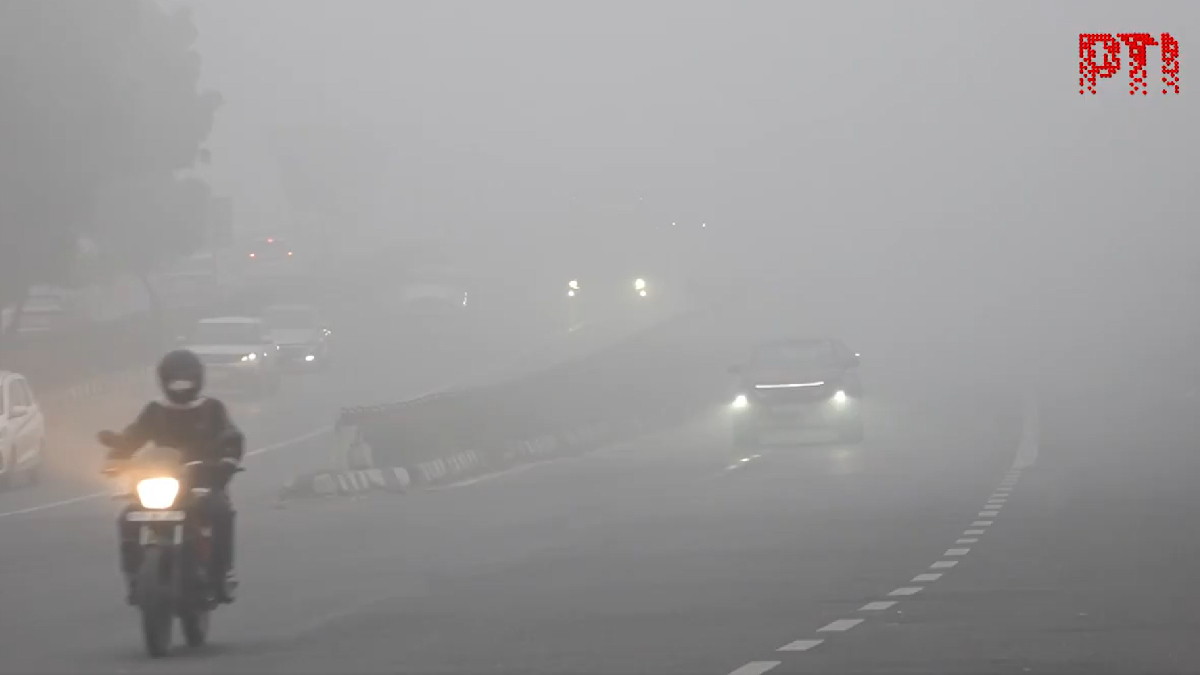
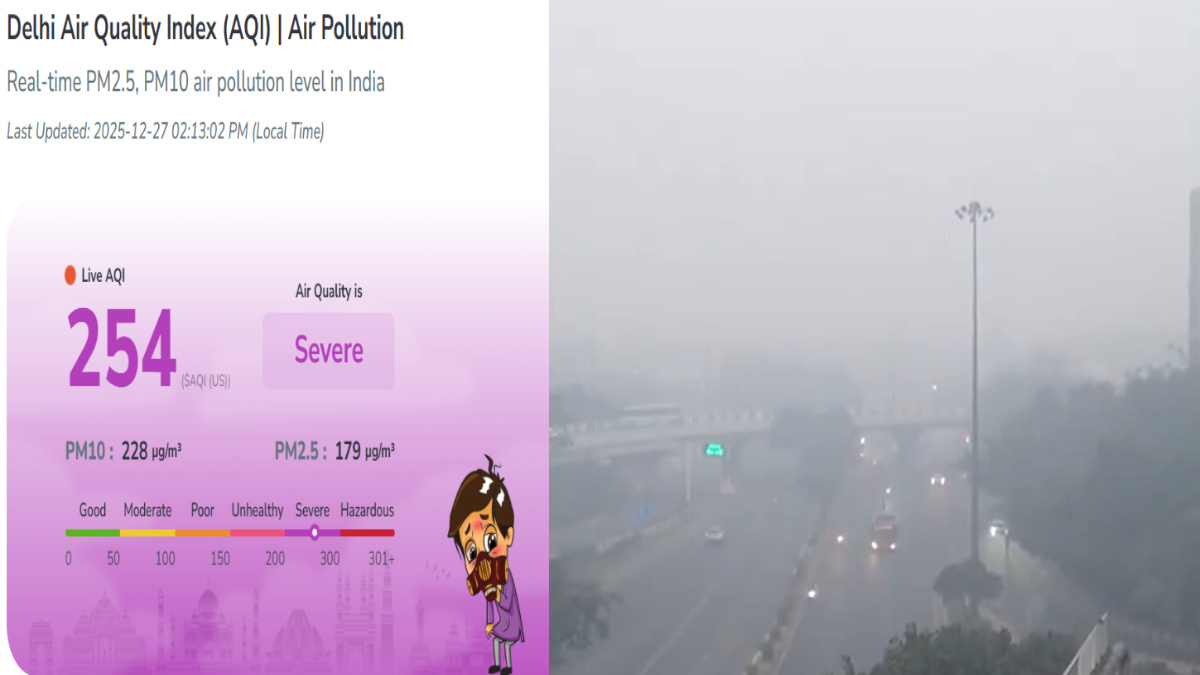
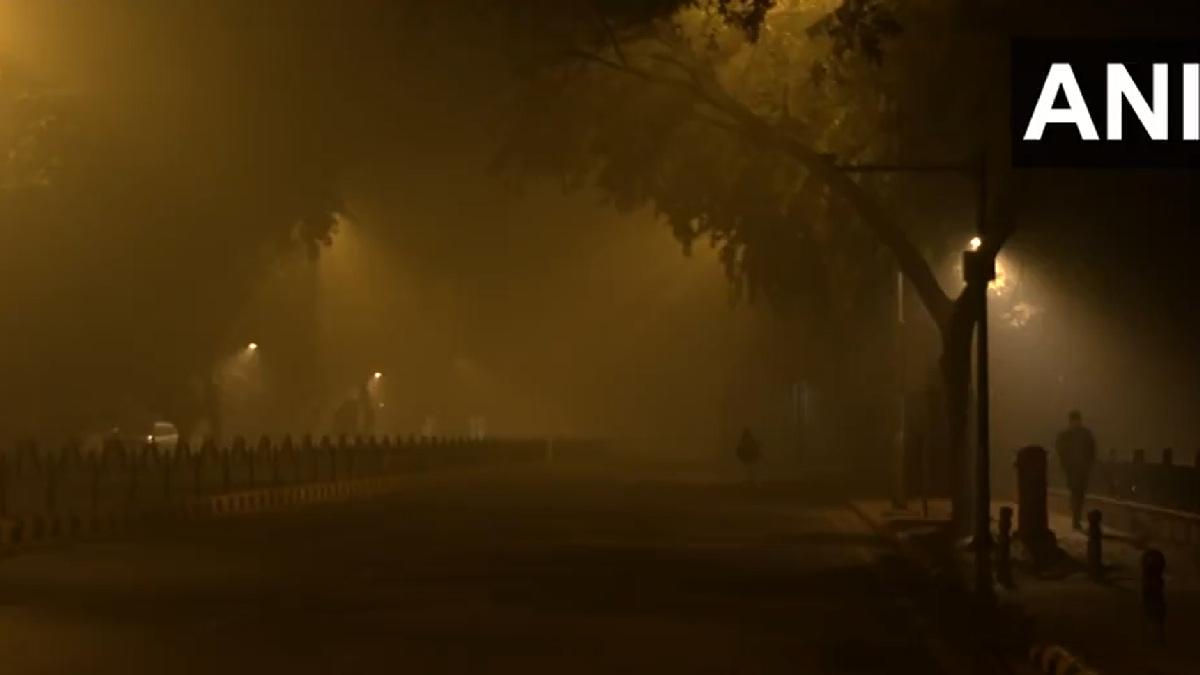
The air quality across Delhi-National Capital Region (NCR) remains in the grips of a severe pollution crisis this Monday, with the overall Air Quality Index (AQI) hovering alarmingly close to the 'Severe' mark. Several monitoring stations in the capital and its satellite cities have already crossed the dangerous 400-mark, forcing authorities to maintain strict enforcement of the Graded Response Action Plan (GRAP) Stage III measures.
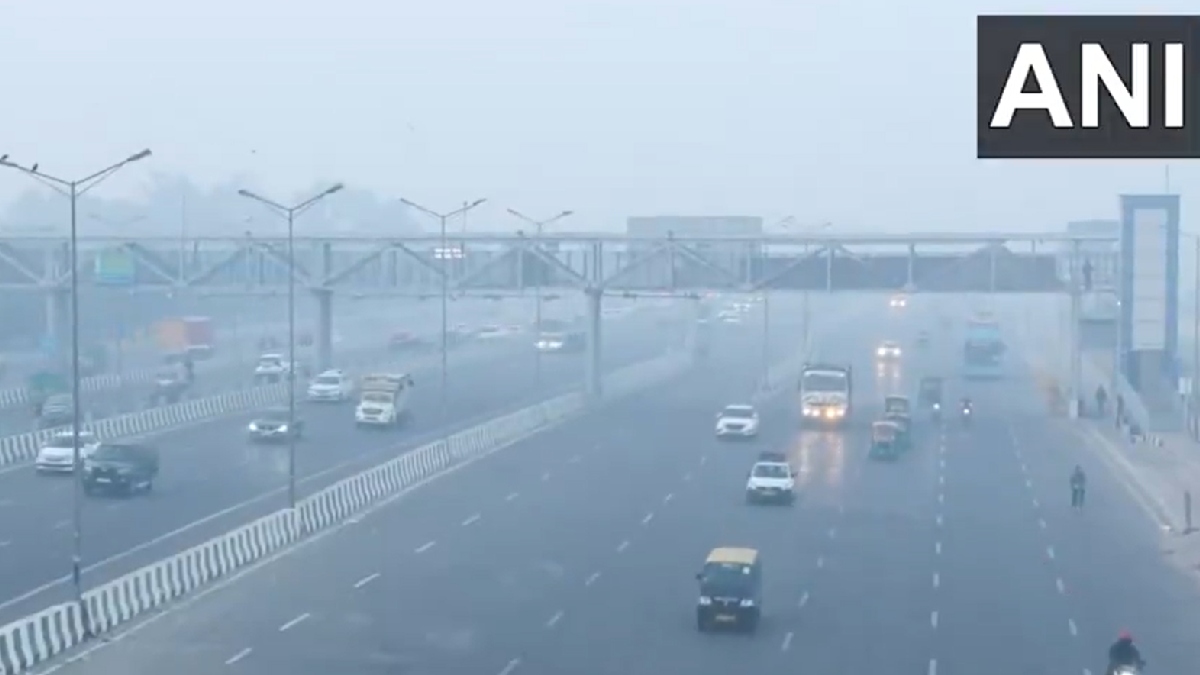
The Alarming Numbers
According to the latest data from the Central Pollution Control Board (CPCB) on November 24, 2025, the air quality is officially categorized as 'Very Poor' across the region, with the overall AQI for Delhi recorded at 391 on Sunday (November 23). However, the situation is far more critical in several residential and industrial hubs:
| Location | Air Quality Index (AQI) | Category |
| Jahangirpuri, Delhi | 438 | Severe |
| Noida, UP | 436 (Morning of Nov 23) | Severe |
| Bawana, Delhi | 431 | Severe |
| Anand Vihar, Delhi | 427 | Severe |
| Ghaziabad, UP | 426 | Severe |
An AQI between 301 and 400 is considered 'Very Poor,' while 401 to 500 is categorized as 'Severe,' impacting the health of the entire population.
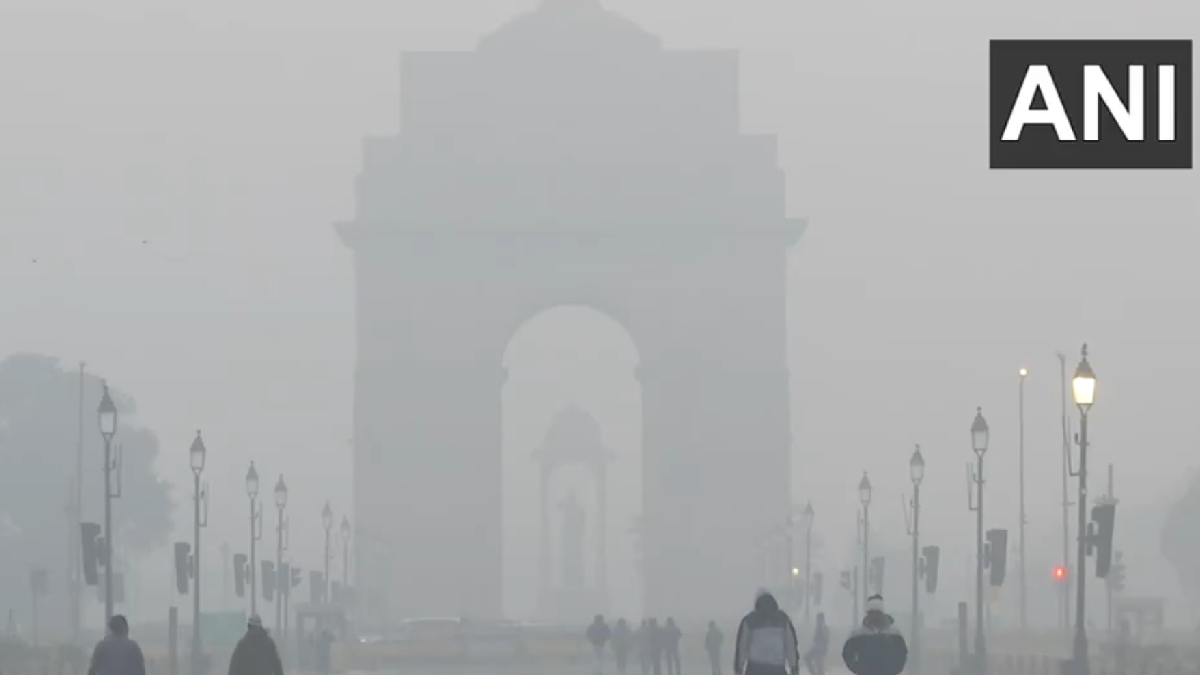
#WATCH | Delhi: Visuals from near Akshardham Temple and surrounding areas as a layer of toxic smog blankets the city.
— ANI (@ANI) November 24, 2025
AQI (Air Quality Index) in the area is 440, categorised as 'Severe', as claimed by CPCB (Central Pollution Control Board). pic.twitter.com/YWuZEuSm7N
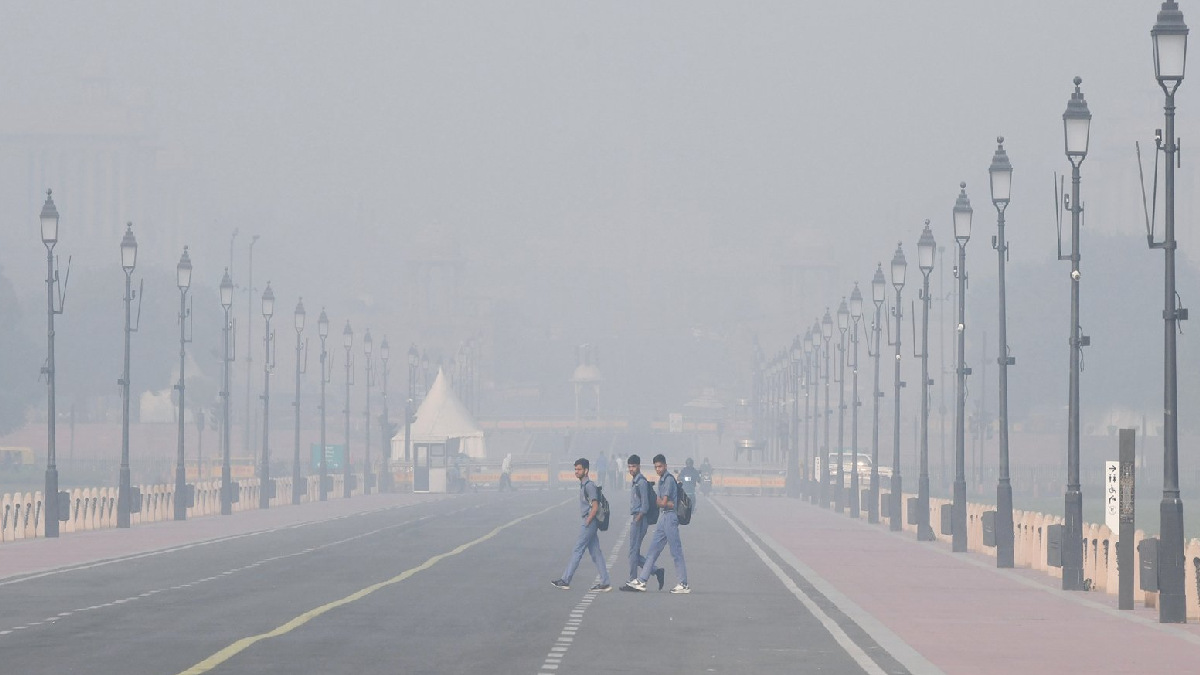
Causes and Forecast
The toxic air is the result of a deadly combination of factors typical of the late-autumn season in the region:
- Meteorological Conditions: Low wind speeds and the dip in temperature (minimum temperature around $10^{\circ}\text{C}$) prevent the horizontal and vertical dispersion of pollutants, trapping the thick layer of smog near the surface. The ventilation index is currently unfavourable for pollutant dispersion.
- Stubble Burning: Though the contribution has been variable, smoke from agricultural fires in neighbouring states continues to drift into the NCR.
- Local Emissions: Emissions from vehicles, industrial activity, construction dust, and garbage burning remain significant local contributors to the particulate matter ($PM_{2.5}$ and $PM_{10}$) levels.
The Air Quality Early Warning System for Delhi forecasts that the air quality is likely to remain in the 'Very Poor' to 'Severe' categories for the next few days, with no immediate respite expected until wind speeds pick up substantially.
GRAP Measures in Force
To combat the escalating crisis, the Commission for Air Quality Management (CAQM) has maintained the enforcement of the Graded Response Action Plan (GRAP) Stage III across Delhi and the NCR. Key restrictions currently in force include:
-
Construction Ban: A complete ban on non-essential construction and demolition activities.
-
Vehicular Restrictions: Strict enforcement on the use of older vehicles, particularly BS-III petrol and BS-IV diesel four-wheelers.
-
Industrial Curbs: Prohibition on non-essential diesel generator sets and industries operating on non-clean fuels.
Authorities have also been directed to ensure uninterrupted power supply and deploy teams for synchronized traffic movement and aggressive water sprinkling to suppress dust.
Health Advisory
Residents, particularly children, the elderly, and those with respiratory or cardiovascular diseases, are strongly advised to take precautions:
- Minimize Outdoor Activity: Limit all strenuous outdoor activities.
- Use Masks: Wear N95 or equivalent masks outdoors.
- Indoor Air: Keep doors and windows closed and use air purifiers if possible.