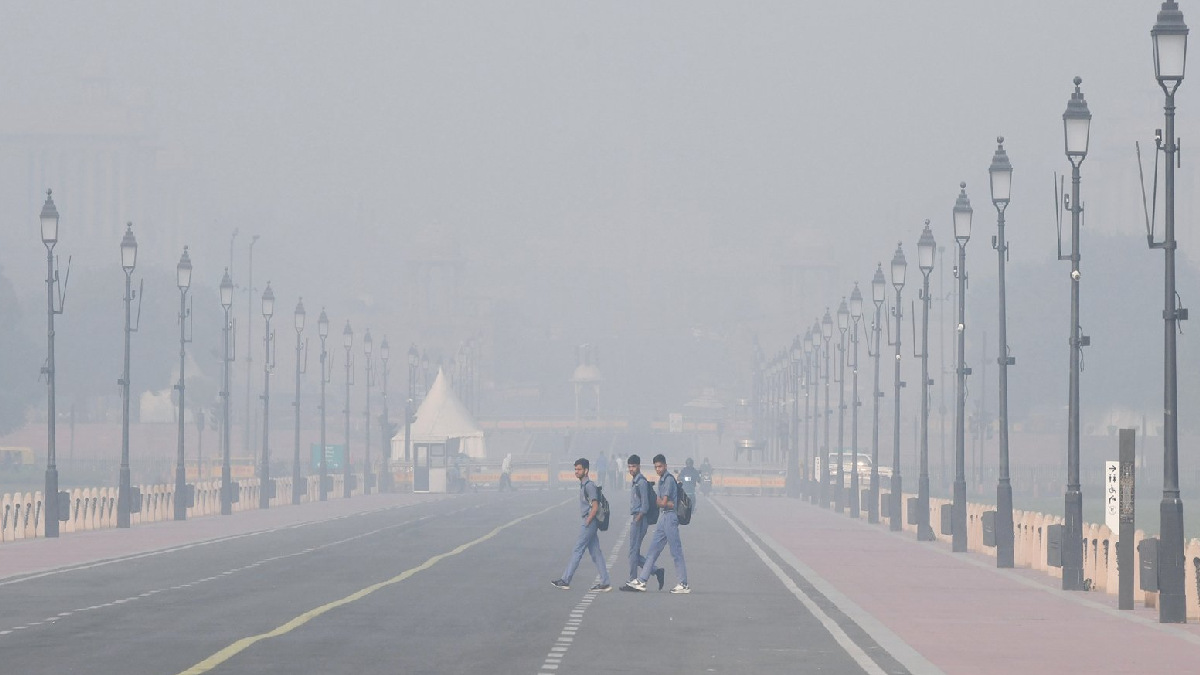
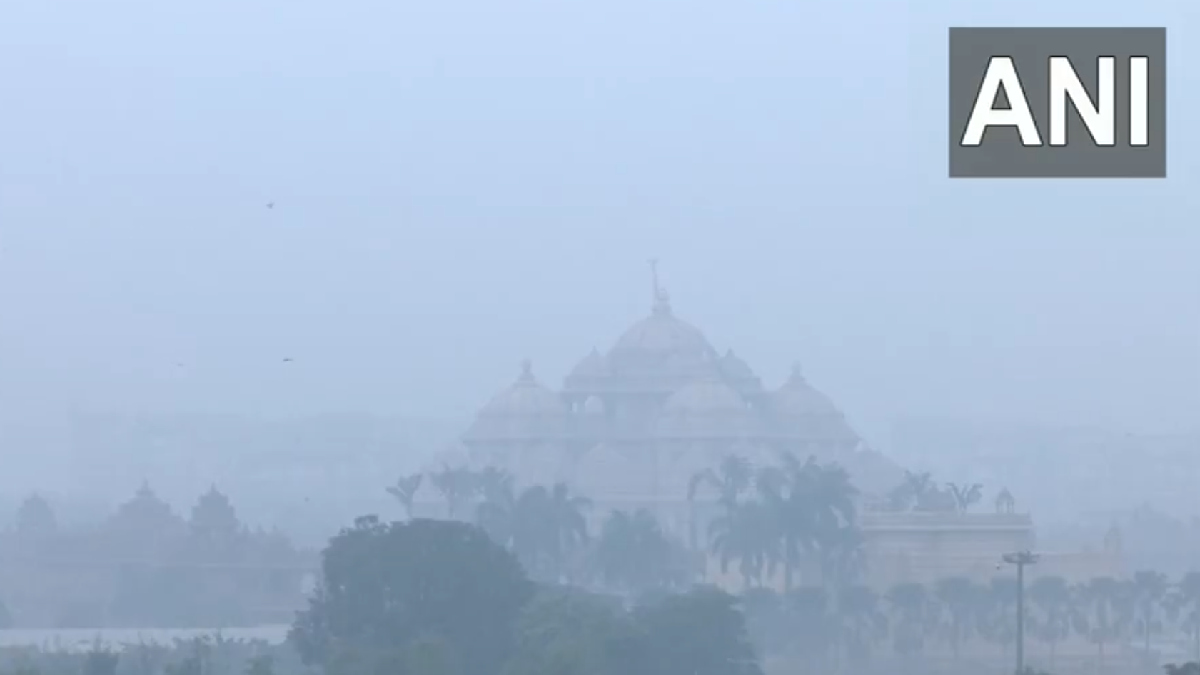
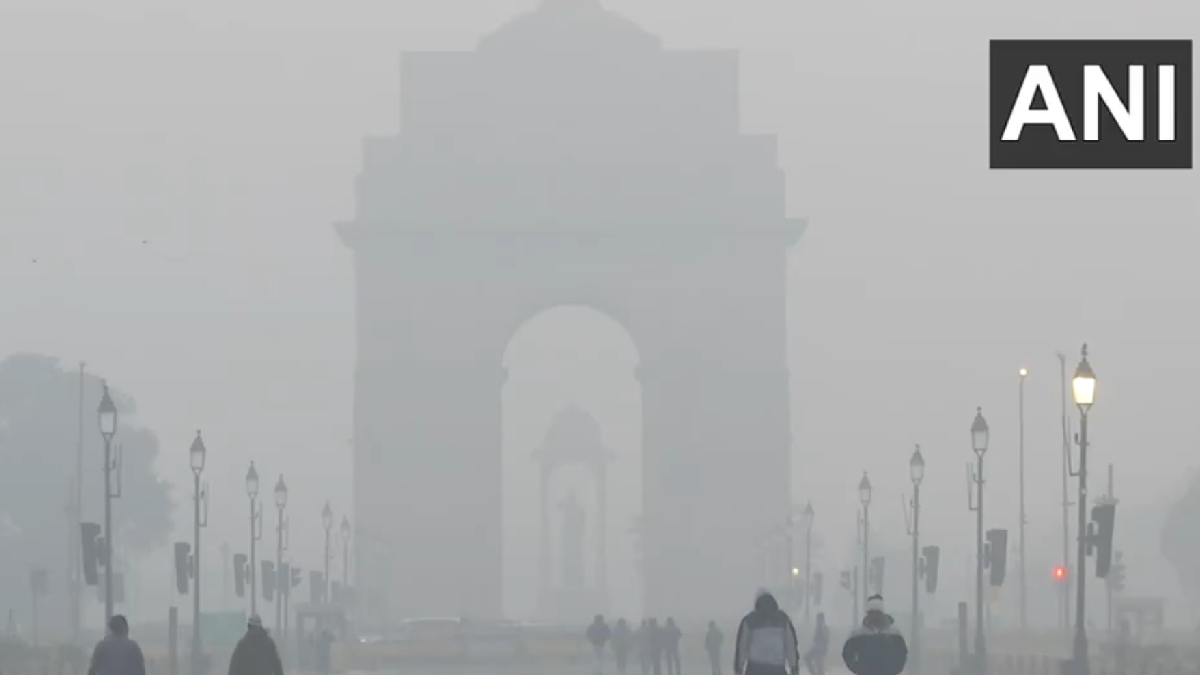
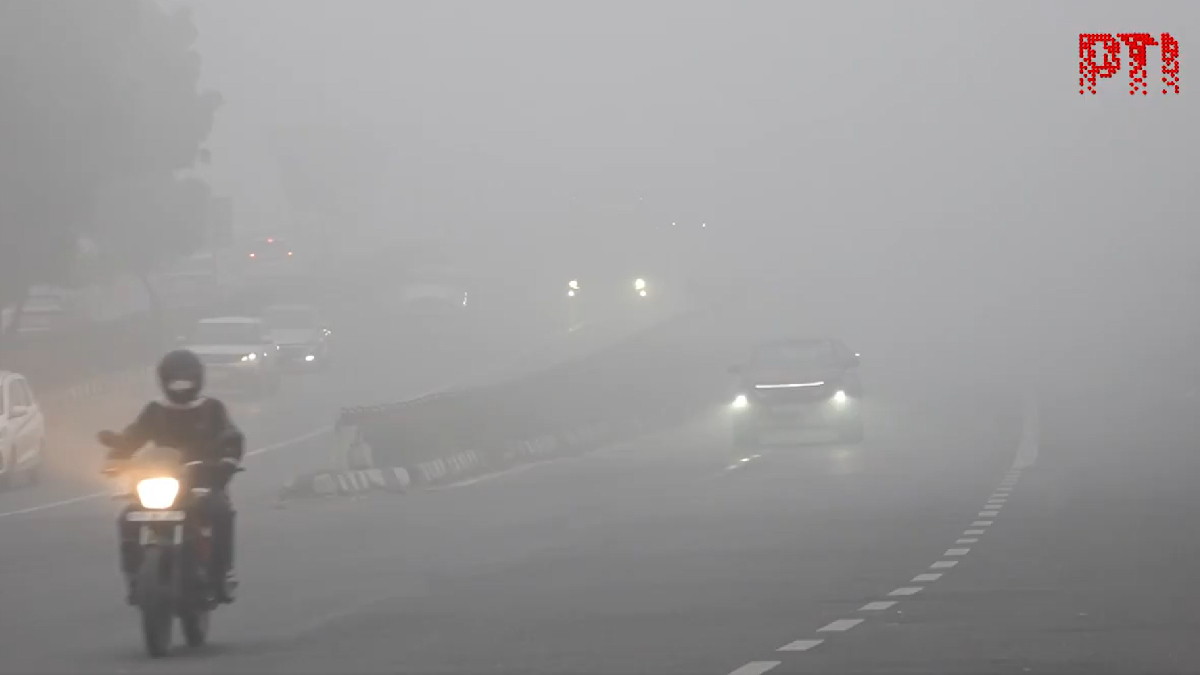
Delhiites woke up to another alarming morning as the Air Quality Index (AQI) soared to 381, firmly placing the capital's air quality in the 'Very Poor' category. This significant rise in pollution levels has triggered serious public health concerns and led authorities to enforce stringent anti-pollution measures.
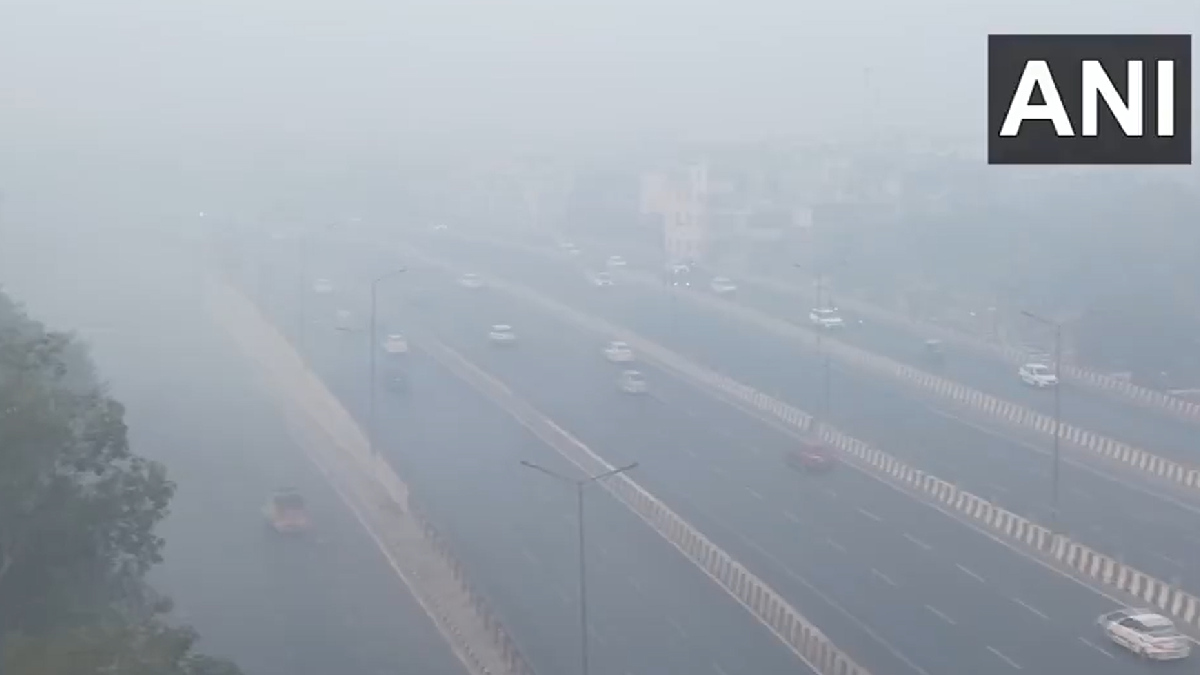
The 'Very Poor' AQI, which ranges between 301 and 400, signifies that prolonged exposure can cause respiratory illness in people, with the effects being more pronounced in individuals with lung and heart diseases. A thick blanket of smog, a mixture of fog and smoke/pollutants, was visible across the National Capital Region (NCR), severely reducing visibility.
Key Causes Behind the Spike
The sudden surge in pollution is largely attributed to a combination of seasonal and local factors:
- Winter Weather Patterns: Cold, still air and low wind speeds trap pollutants close to the ground, preventing their dispersion—a phenomenon often exacerbated by the formation of dense smog.
- Stubble Burning: Smoke from crop residue burning in neighboring states like Punjab and Haryana continues to be a major seasonal aggravator, with wind direction often pushing the smoke directly into the NCR.
- Local Emissions: Vehicular and industrial emissions, massive dust from construction and demolition activities, and waste burning remain constant contributors to the high particulate matter (PM2.5 and PM10) levels.
Health Advisory and Government Action
In response to the deteriorating air quality, the Commission for Air Quality Management (CAQM) for NCR is intensifying measures under the Graded Response Action Plan (GRAP). The current air quality levels warrant the implementation of actions under GRAP Stage III (Very Poor), which can include:
- Strict enforcement of a ban on construction and demolition activities (with certain exceptions).
- Restrictions on the entry of older or high-emission vehicles.
- Advisories to private offices to operate with 50% staff capacity and encourage work from home.
Health experts strongly advise residents, especially children, the elderly, and those with pre-existing respiratory or cardiac conditions, to avoid all unnecessary outdoor activities. Wearing N95/N99 masks when stepping out is recommended, and keeping indoor air clean using air purifiers is crucial.
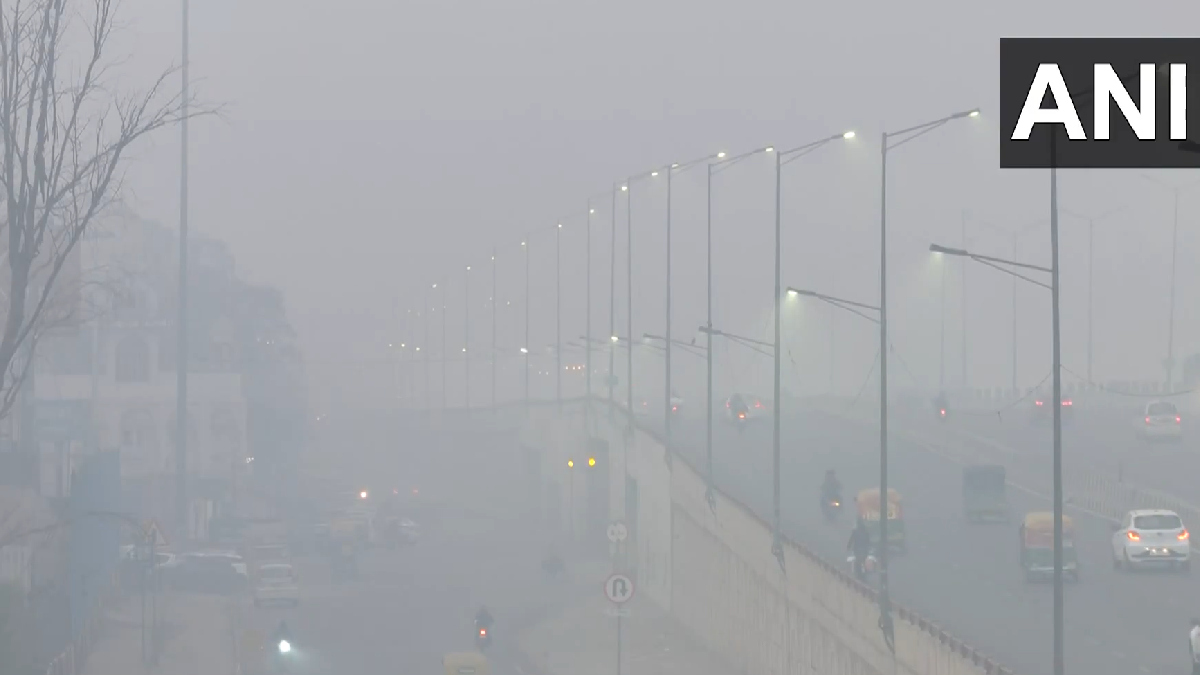
The recurring air crisis underscores the urgent need for long-term, coordinated regional action to tackle the multi-layered sources of pollution.