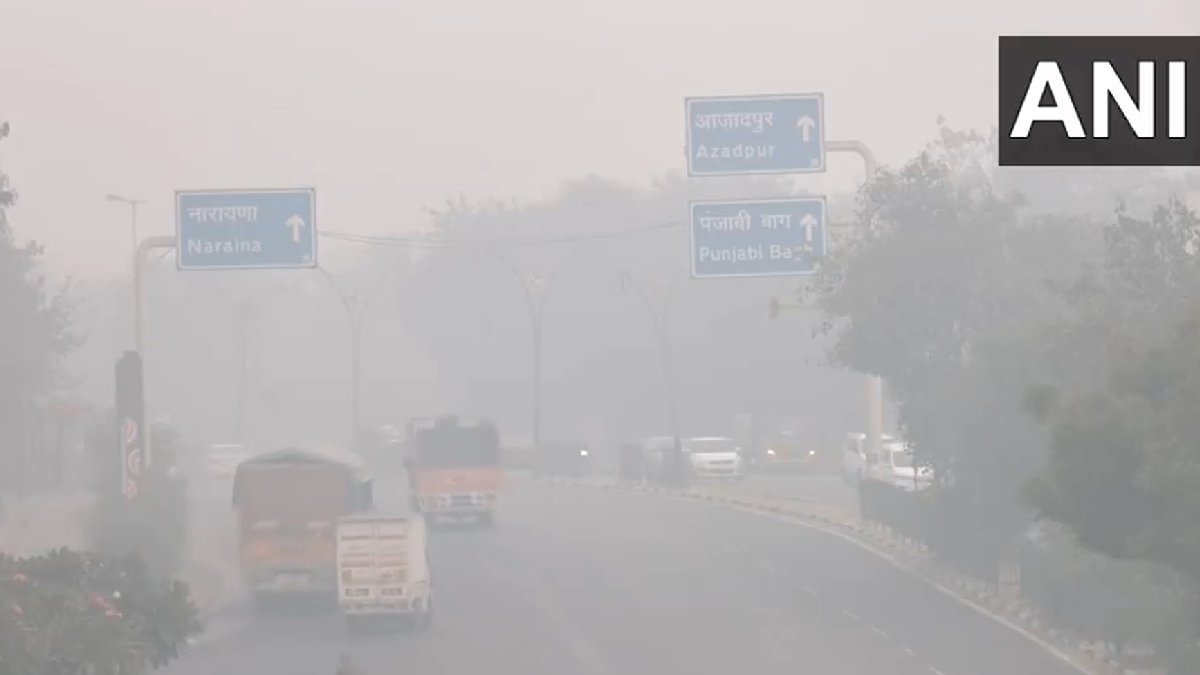
The air quality crisis in the Delhi-National Capital Region (NCR) has escalated dramatically, with pollution levels soaring to the 'Severe' and 'Hazardous' categories, prompting emergency health warnings and the implementation of the most stringent restrictions.
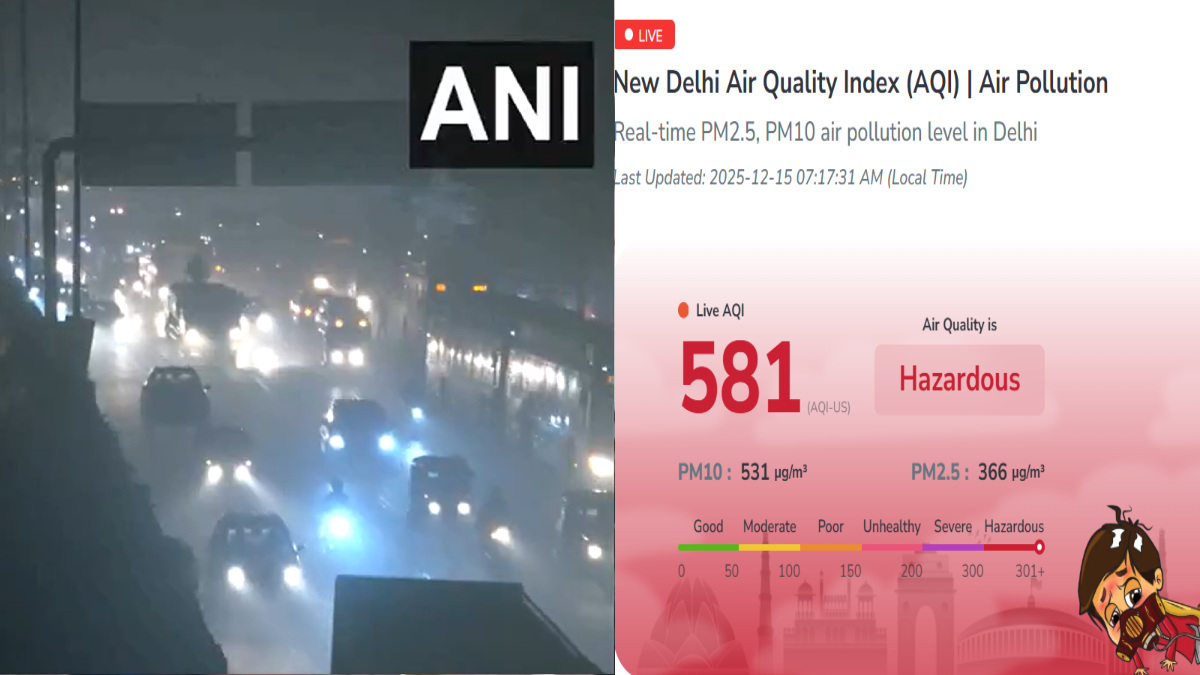
Alarming Air Quality Index (AQI)
The region is grappling with some of the season's worst air quality readings, transforming the densely populated area into what many are calling a "gas chamber." The Air Quality Index (AQI) data paints a stark picture of the crisis:
- Delhi: Overall AQI hovering near 481 (Severe to Severe Plus).
- Noida: Readings soaring to an alarming 557 (Hazardous).
- Greater Noida: Also registering critically high pollution at 422 (Severe).
An AQI reading above 400 is classified as 'Severe,' which "affects healthy people and seriously impacts those with existing diseases," while an AQI above 500 is often categorized as 'Hazardous' or 'Severe Plus,' signifying a public health emergency.
The Health Emergency and Contributing Factors
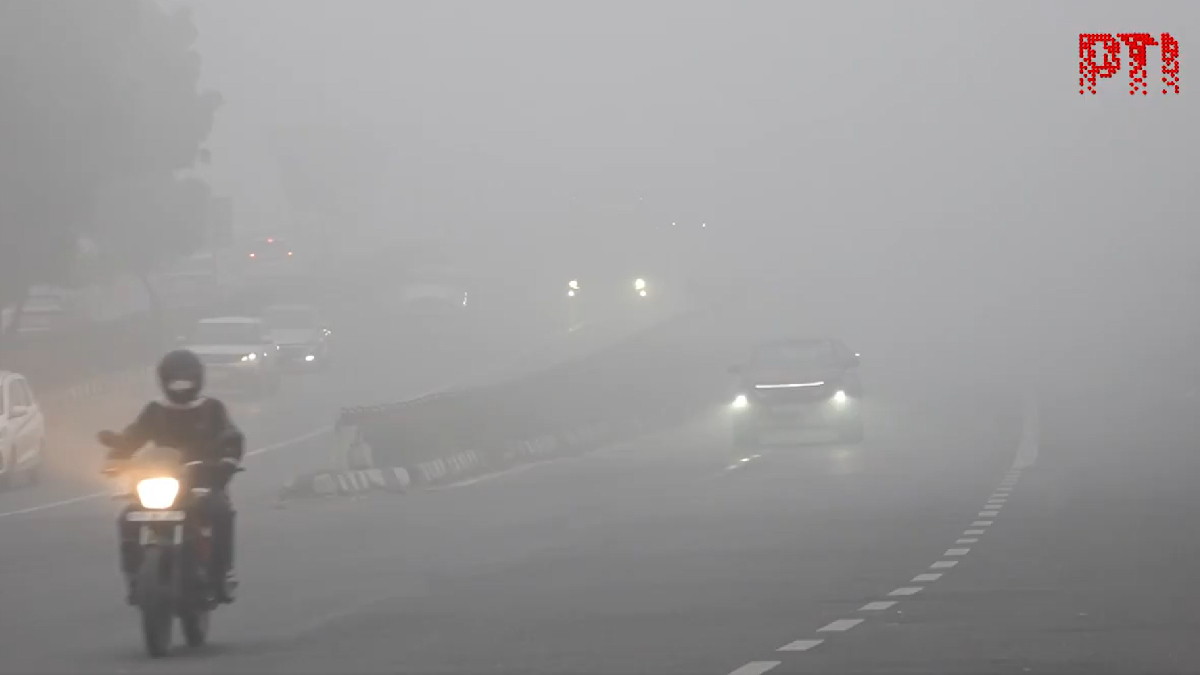
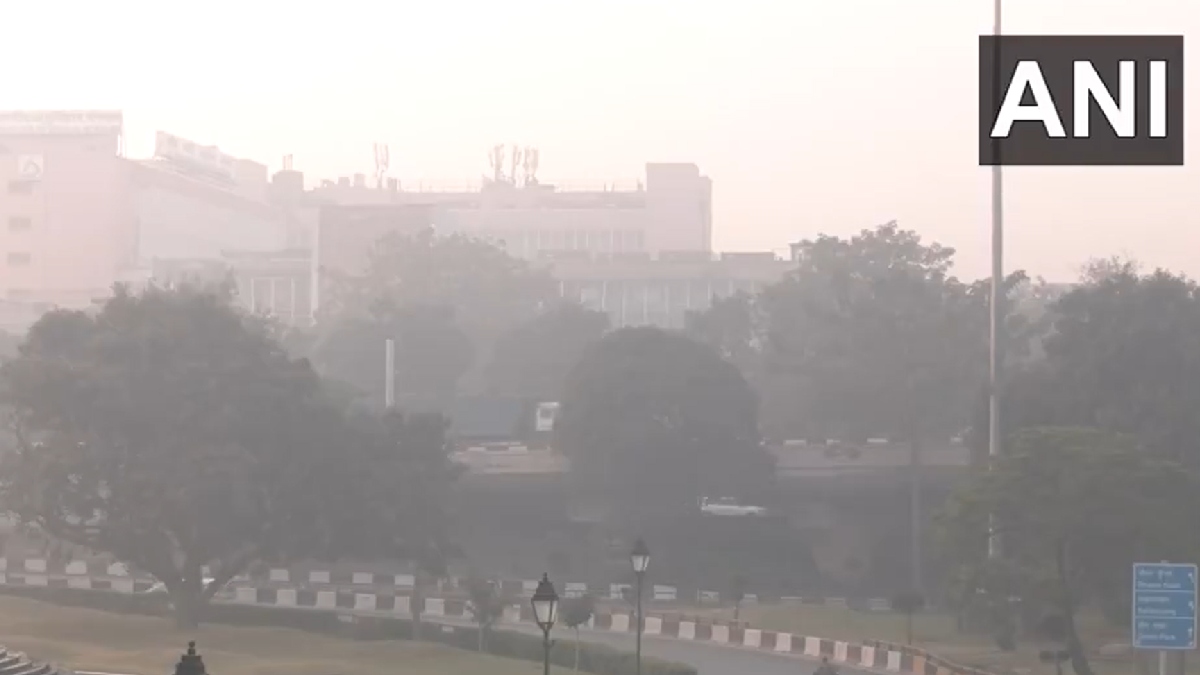
The toxic smog, a mix of particulate matter like $\text{PM2.5}$ and $\text{PM10}$ and other pollutants, has drastically reduced visibility and left residents, particularly children and the elderly, struggling to breathe.
- Health Impact: Exposure to these hazardous levels can cause serious inflammation of the lungs, trigger asthma attacks, worsen Chronic Obstructive Pulmonary Disease (COPD), and significantly increase the risk of cardiovascular incidents like heart attacks and strokes.
- Key Pollutants: While $\text{PM2.5}$ is a perennial concern, officials have pointed to a surge in $\text{PM10}$ particles, largely stemming from construction dust, unpaved roads, and vehicular emissions.
- Meteorological Conditions: The crisis is exacerbated by adverse weather, including extremely low wind speeds and a temperature inversion, which traps pollutants close to the ground, preventing their dispersal.
Government Implements GRAP-IV Restrictions
In an immediate response to the crisis, the Commission for Air Quality Management (CAQM) in NCR and Adjoining Areas has activated Stage-IV of the Graded Response Action Plan (GRAP), the most extreme set of anti-pollution measures.
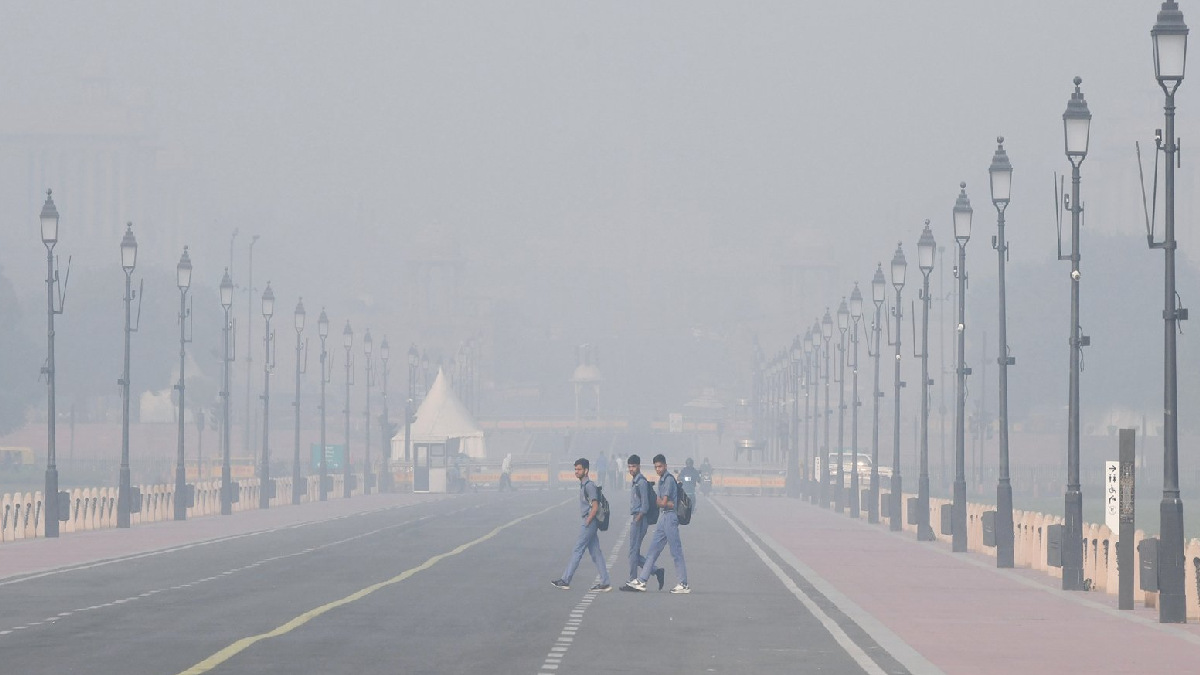
| Restriction Category | GRAP-IV Measures in Delhi-NCR |
| Construction & Dust | Complete ban on all construction and demolition (C&D) activities, including linear projects (roads, pipelines), and a shutdown of stone crushers and mining operations. |
| Vehicular Traffic | Complete ban on the entry of non-essential trucks into Delhi. Ban on BS-III petrol and BS-IV diesel four-wheelers in Delhi and adjoining NCR districts (Gurugram, Noida, Faridabad, Ghaziabad). |
| Education & Work | Schools directed to shift classes up to Class 5, and in some areas up to Classes 9 and 11, to hybrid/online mode to limit children's outdoor exposure. Government and private offices advised to operate at 50% work-from-home capacity. |
Authorities have ramped up mechanised road sweeping and water sprinkling, especially in high-pollution hotspots, and are enforcing strict penalties of up to Rs 20000 for pollution norm violations.
Outlook Remains Grim
While a slight improvement to the 'Very Poor' category is forecasted for the coming days, the long-term outlook remains challenging. The recurrence of this public health crisis every winter underscores the urgent need for permanent, year-round strategies to address primary sources of pollution and improve regional cooperation. Until then, citizens are strongly advised to minimise all outdoor exposure, use N95 masks, and employ air purifiers indoors to safeguard their health.