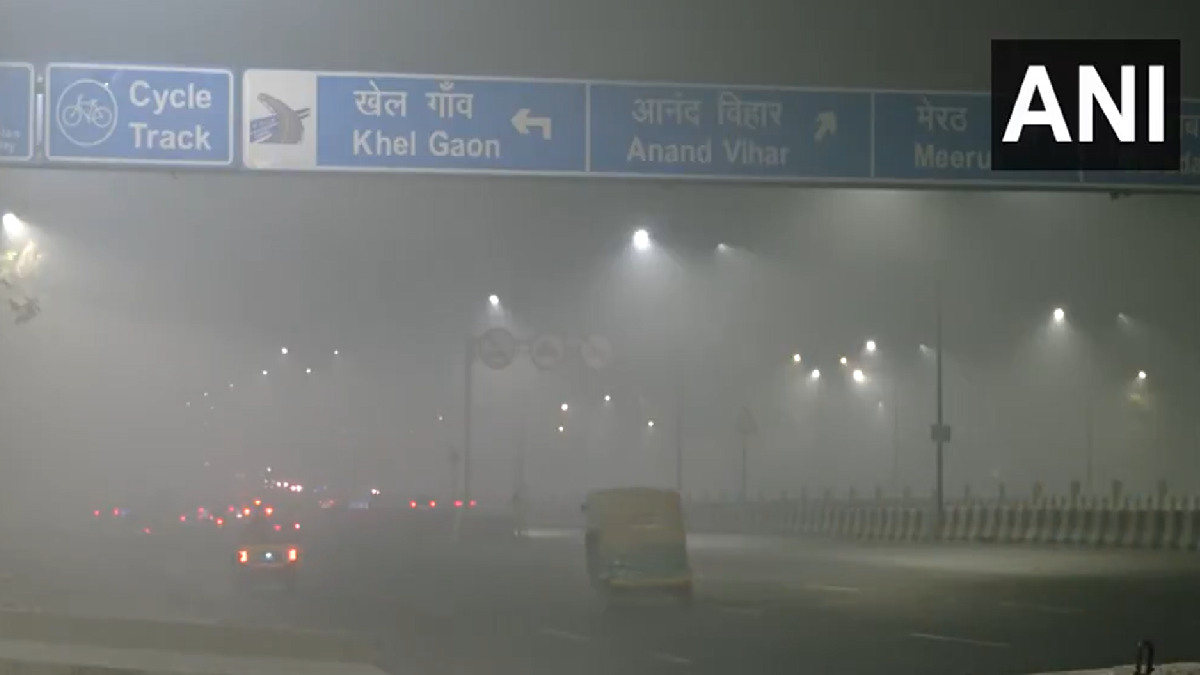
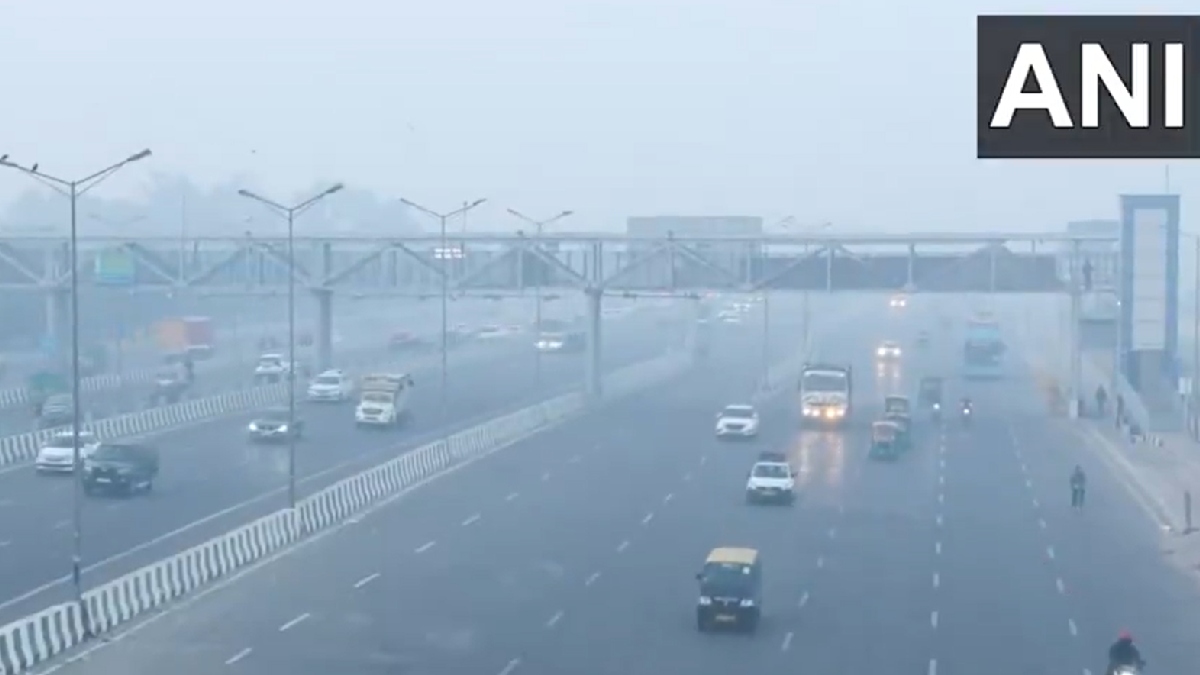
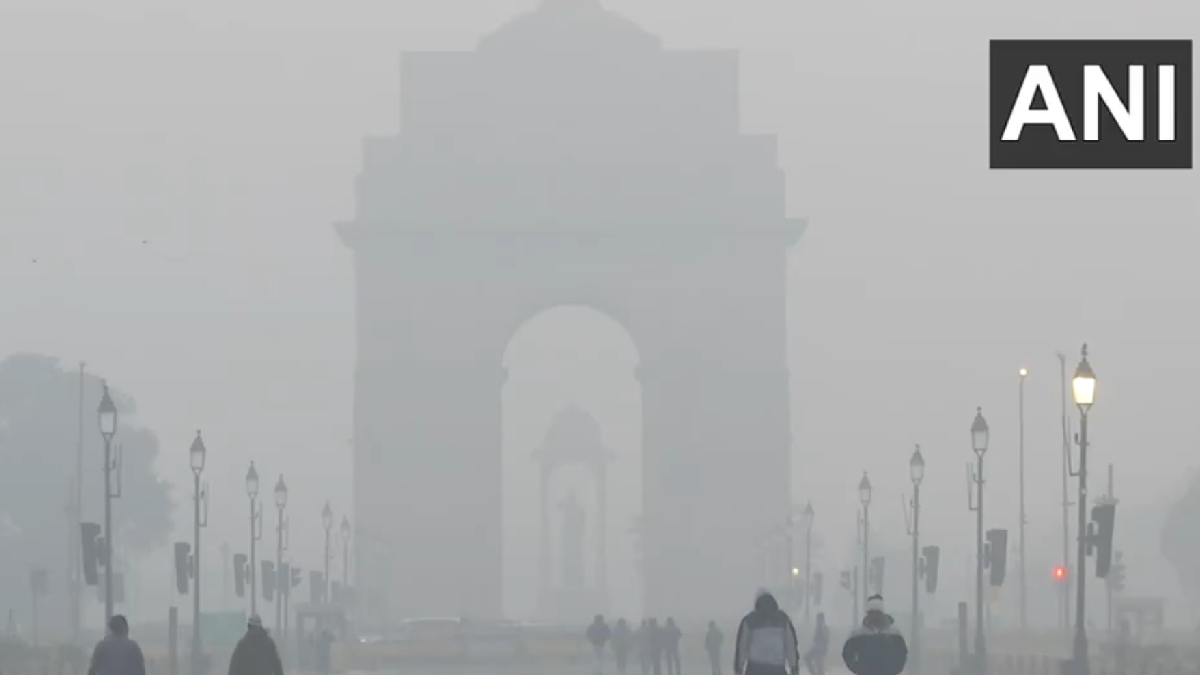
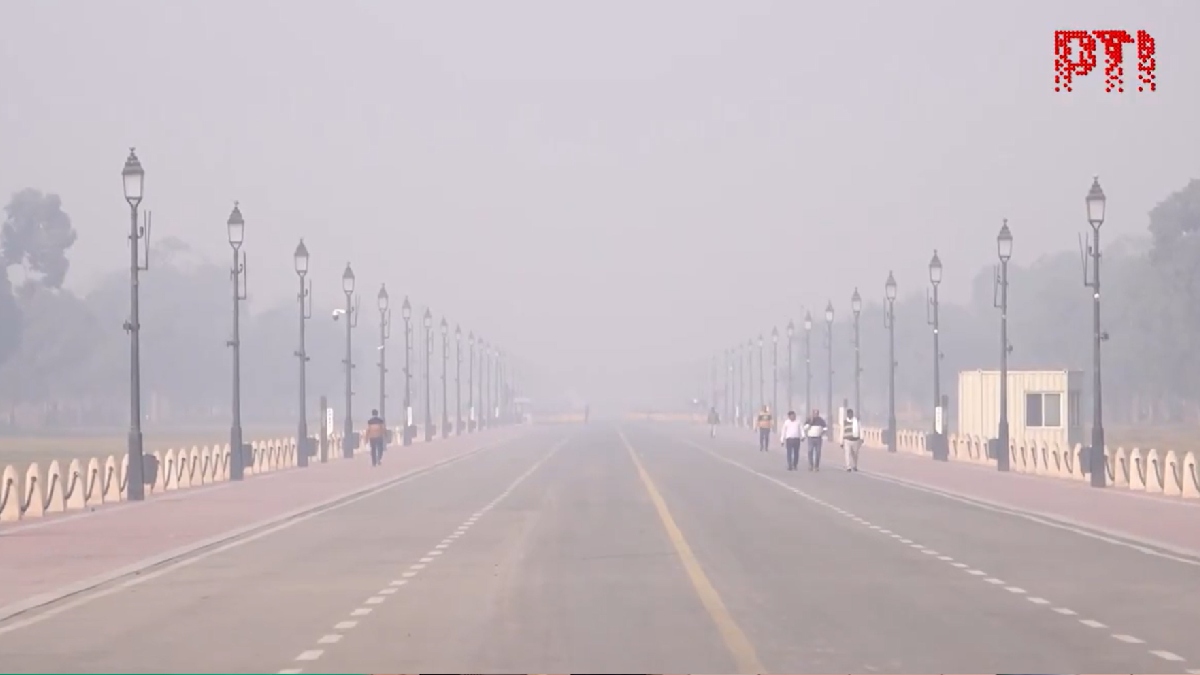
Amid a continuous spiral into the 'Very Poor' to 'Severe' category for air quality, the Delhi government has intensified its pollution control measures, ordering both public and private offices to operate with a maximum of 50% staff physically present. The remaining workforce must mandatorily work from home (WFH) as part of the emergency curbs under Stage III of the Graded Response Action Plan (GRAP).
The Immediate Directive
The order, issued by the Environment Department following directions from the Commission for Air Quality Management (CAQM), comes into effect immediately. This is one of the most stringent steps taken for the office sector, with the aim of significantly reducing vehicular emissions—a major contributor to the capital's toxic air during the winter months.
- Government Offices (GNCTD): All administrative secretaries and heads of departments must ensure only 50% staff are physically present, with the rest on mandatory WFH. Essential and emergency public services are exempted. Staggered working hours are already in place for government and municipal offices until February 2026 to ease peak-hour traffic.
- Private Offices: All private establishments in the NCT of Delhi must also enforce the 50% on-site cap and ensure the remainder work from home. They have also been urged to implement staggered working hours wherever feasible to minimise office commute traffic.
GRAP Stage III and Air Quality
The move is a pre-emptive measure following the revision of the GRAP schedule, which shifted the 50% work-from-home directive from the 'Severe+' Stage IV to the 'Severe' Stage III for quicker intervention. With the Air Quality Index (AQI) hovering dangerously close to the 400-mark in many areas, authorities are mobilizing extensive enforcement personnel to ensure strict compliance across all sectors.
Impact on Businesses
While the shift to WFH is a familiar pivot for most businesses post-pandemic, the sudden mandatory nature of the order presents immediate logistical and operational challenges:
- Work Continuity: Companies must swiftly adjust shift schedules and resource allocation to ensure uninterrupted service delivery with reduced on-site staff.
- Compliance: Businesses are under pressure to strictly comply with the order, with authorities conducting inspections and threatening penalties for violations.
- Employee Health: The primary goal is to protect public health by limiting the exposure of workers to the hazardous air, especially vulnerable groups.
This directive underscores the severity of the capital's air pollution crisis, transforming it from a public health advisory into a binding legal mandate on commercial operations.