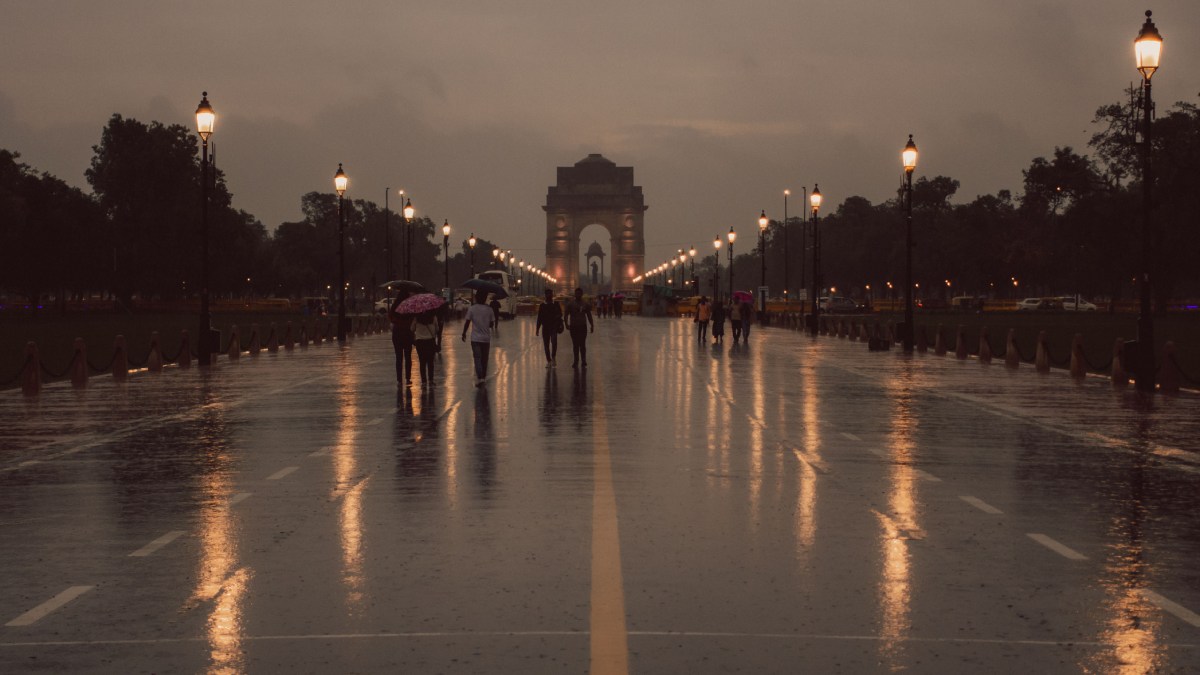
But Delhi will have to wait a little longer for the southwest monsoon to arrive because seasonal rains have already begun a week late in the capital. The monsoon will not reach Delhi till July 2, it has been said by the India Meteorological Department (IMD), with the monsoon expected to reach Delhi after July 2 and the season itself is not going to go very fast across the country.
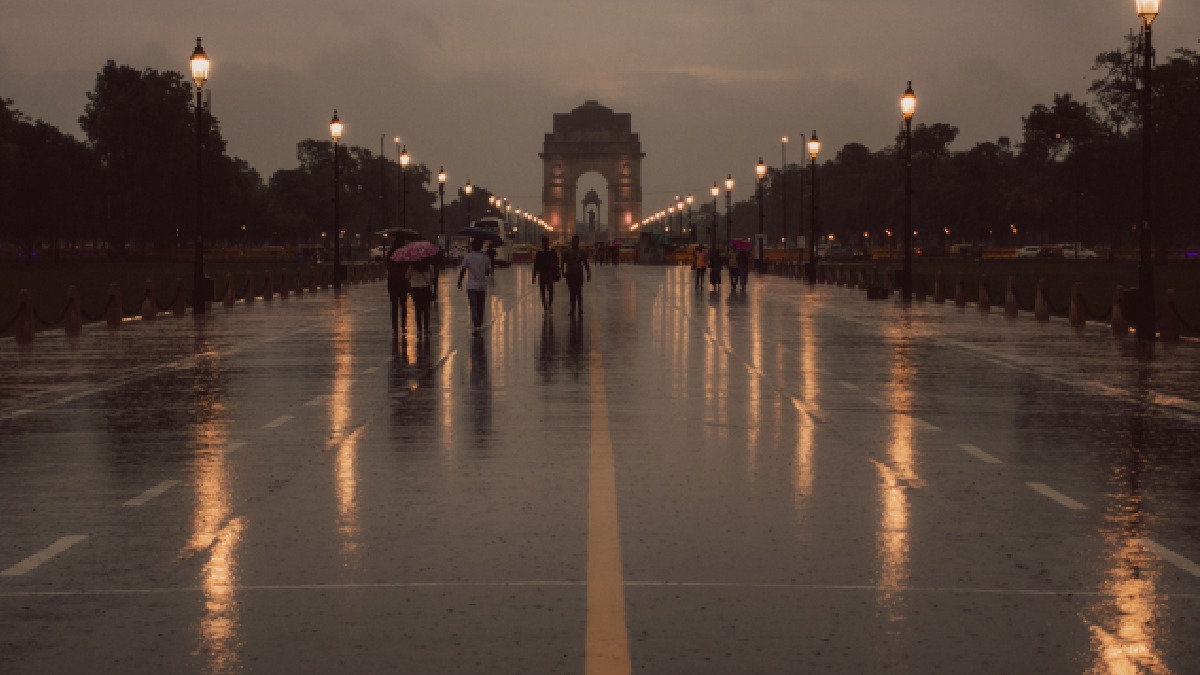
Based on the new onset schedule for 1961-2019 on average, the monsoon typically reaches Chandigarh by June 26 and Delhi by June 27 and then moves into North India. However, the system is still well behind schedule.
The northern limit of the monsoon has moved through Surat in Gujarat, Indore in Madhya Pradesh, Daltonganj in Jharkhand and Motihari in Bihar. But it hasn’t reached Uttar Pradesh, where farmers are waiting for rainfall to start sowing rain-fed Kharif crops.
The delay in the advance means that a national rainfall deficit of nearly 41% has already occurred in June and the IMD has predicted below-normal rainfall in much of the country until July 2 on average.
When will Delhi get Monsoon Rain?
According to the IMD's latest forecast, the monsoon will reach parts of Uttar Pradesh and Uttarakhand in the next three to four days and cover the rest of Gujarat, Madhya Pradesh, Chhattisgarh, Jharkhand and Bihar.
After July 2, the weather system is expected to gradually move into the remaining parts of Madhya Pradesh, Uttar Pradesh, Uttarakhand and Himachal Pradesh and parts of Jammu, Kashmir & Ladakh, Punjab, Haryana, Chandigarh, Delhi and Rajasthan.
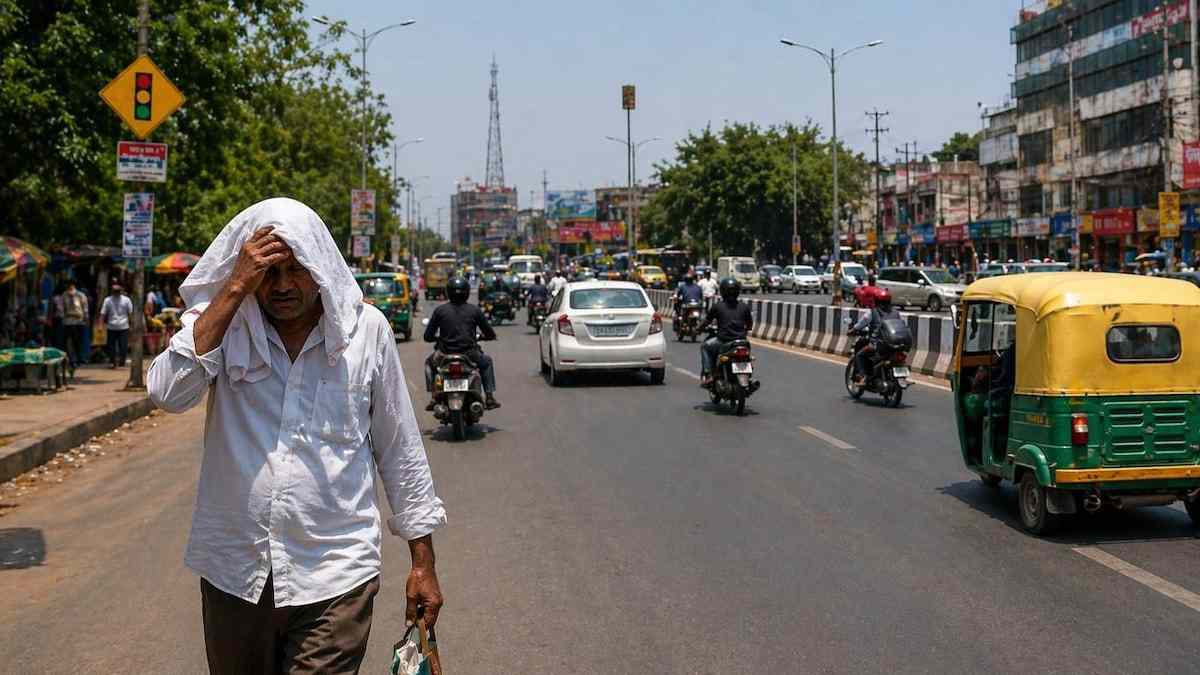
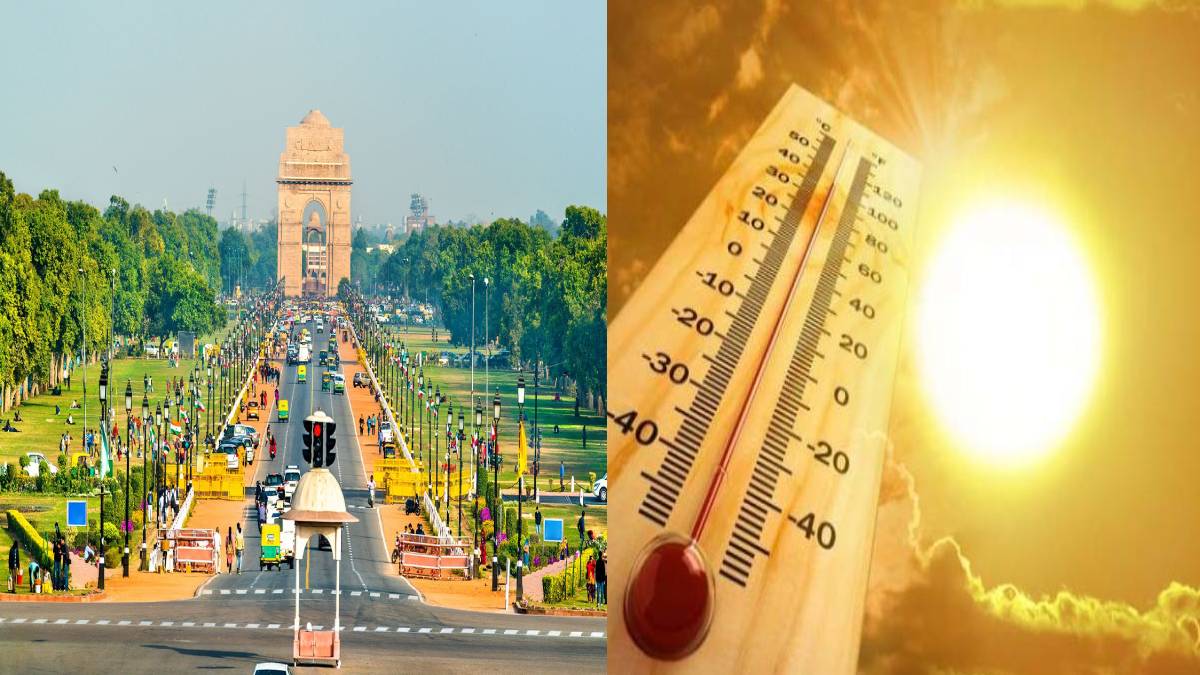
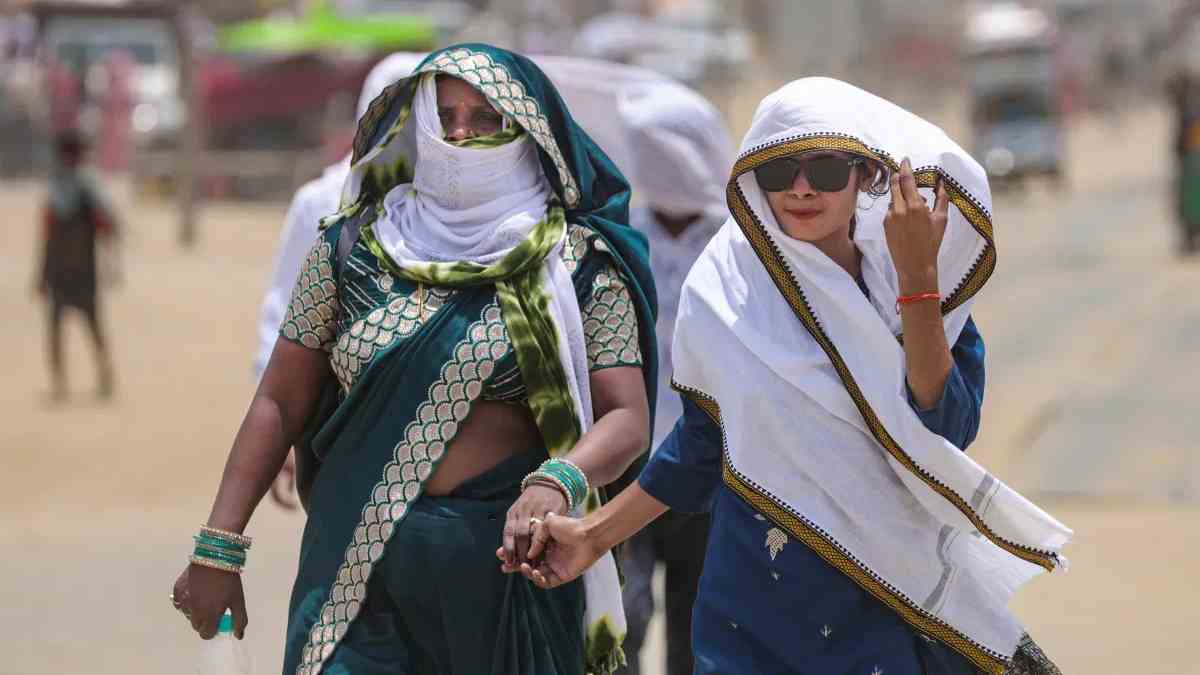
The delay has intensified heat across Northwest India. Some of the most affected areas such as Uttar Pradesh and Bihar have experienced heatwave conditions with Prayagraj recording temperatures as high as 43°C. Daytime temperatures are now 4-5°C above normal in many regions.
And Delhi is also experiencing warm days and uncomfortable nights, with daytime temperatures in the range of 37°C - 40°C and minimum temperatures in the range of 27°C - 29°C. The occasional thunderstorm and gusty winds have brought some relief but the IMD expects cloudy skies and intermittent winds to continue for the next few days.
El Niño is behind the weak monsoon progress.
The weather service has confirmed that El Niño conditions have developed in the equatorial Pacific Ocean and will adversely affect this year’s southwest monsoon.
According to the IMD, the atmosphere has responded to the warming sea surface temperatures, and forecasts indicate that El Niño conditions are likely to strengthen during the June-to-September monsoon season.
The weather agency had already predicted a below-normal monsoon for 2023 and the delayed advance across central and northwestern India is consistent with those expectations.
With farmers waiting for much-needed rainfall and many northern states experiencing prolonged heat-induced heat waves, now the focus is also on whether the monsoon regains momentum in early July and brings the relief for much of the country that many are looking for.