New Delhi: The Delhi government is going to strengthen the city’s waste management system by developing three new fresh waste processing plants in Okhla, Singhola and Ghazipur as part of the first phase of the project.
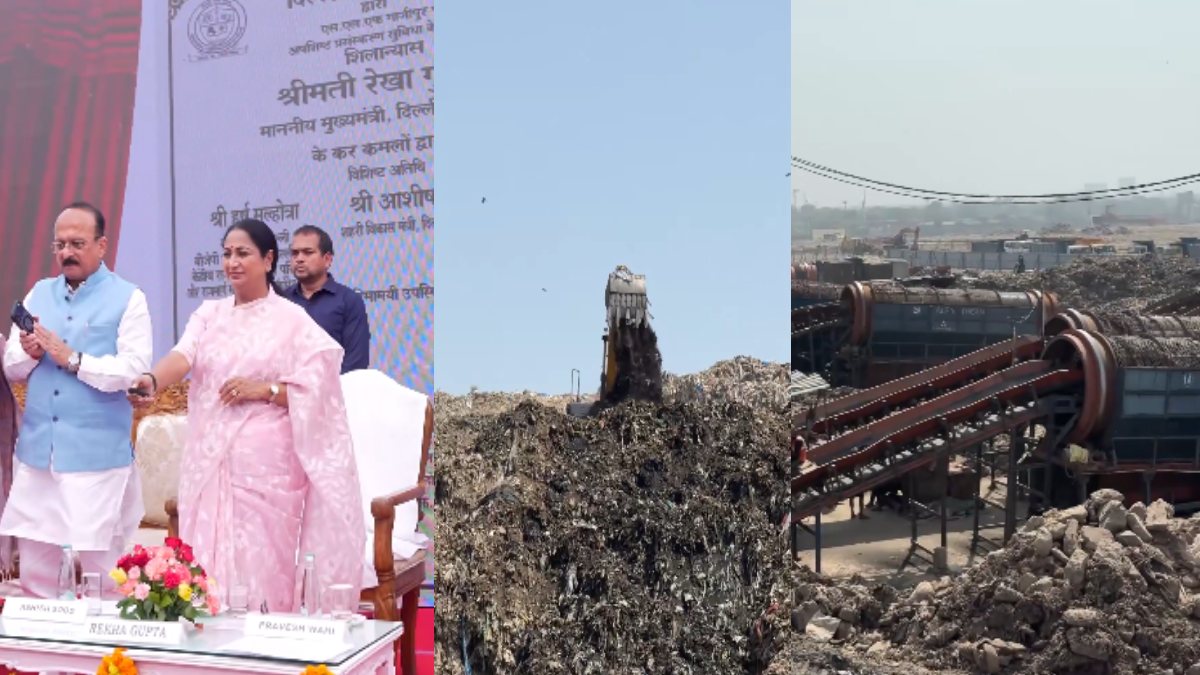
The new waste processing plants will process nearly 3,000 tonnes of fresh waste every day, and will significantly reduce the waste treatment pressure on the city’s existing waste management system.
The three projects will have a total investment of around ₹202 crore according to the government. The largest facility is proposed at Okhla with a project cost of ₹103 crore and processing capacity of about 1,400 tonnes per day. The Singhola facility will cost around ₹42 crore and will be able to process about 700 tonnes of waste per day. The proposed unit at Ghazipur will cost around ₹57 crore and will process about 800 tonnes per day.
The proposed facilities are intended to facilitate the disposal of the huge amount of waste in the national capital every day. With rapid urbanisation and population growth and changing consumption patterns, waste generation has been a major civic problem for Delhi. Increasing processing capacity would help to manage fresh waste better and relieve the burden on existing disposal sites.
The Okhla project will account for the largest share of the planned processing capacity. With a capacity of 1,400 tonnes per day, the facility will play a major role in improving waste processing in the southern parts of the city and surrounding areas. The Singhola unit with a capacity of 700 tonnes per day will add another processing point, while the Ghazipur facility will contribute 800 tonnes per day.
As a whole, the three units are projected to process close to 2,900 tonnes of fresh waste per day, which is generally considered approximately 3,000 tonnes. This capacity would help reduce the volume of untreated waste to be transported to disposal and enhance the efficiency of Delhi’s waste management system.
Waste processing is a fundamental part of the sustainable urban waste management system. Instead of sending all the waste to landfill sites directly, processing facilities can help to separate, recycle and recover the most valuable materials from urban waste. Depending on the technology and the waste composition, these facilities are capable of recycling, composting, refuse-derived fuel production and other forms of waste recovery.
The proposed projects also come against the backdrop of Delhi’s long-running problems with landfill sites and accumulated waste. Ghazipur, Okhla and other landfill sites have been under pressure because of the large amount of municipal waste that is generated in the city. Increasing processing capacity would therefore make a difference with the government moving toward a system where fresh waste is treated closer to where it is coming from.
But the success of the new facilities will also depend not only on their processing capacity but also on efficient waste collection, segregation at source, transportation and regular operations. Segregation of wet, dry and other types of waste can significantly improve the effectiveness of processing plants.
🚨Delhi Govt is setting up 3 new fresh waste processing units across the city: -Okhla: ₹103 crore | 1,400 tonnes per day -Singhola: ₹42 crore | 700 tonnes per day -Ghazipur: ₹57 crore | 800 tonnes per day Together, these units will process nearly 3,000 tonnes of fresh waste every day.
— Radio India 🇮🇳 (@Radio_India_) October 4, 2026
The three projects are to be a collective investment of about ₹202 crore and could have huge potential to improve Delhi’s waste processing infrastructure. As the government expands its facilities, residents are going to see a clean neighbourhood and less landfill disposal.
With Okhla, Singhola and Ghazipur expected to handle nearly 3,000 tonnes of fresh waste every day, the projects could become an important element of Delhi’s efforts to build a more efficient and sustainable waste management system.