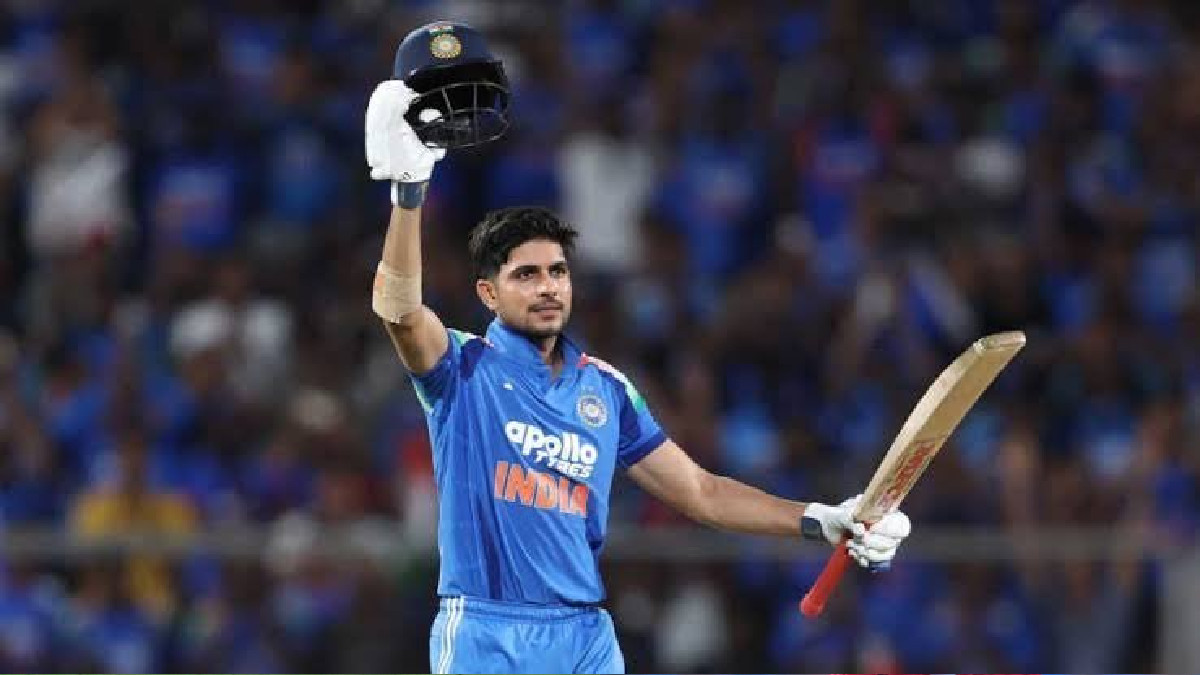
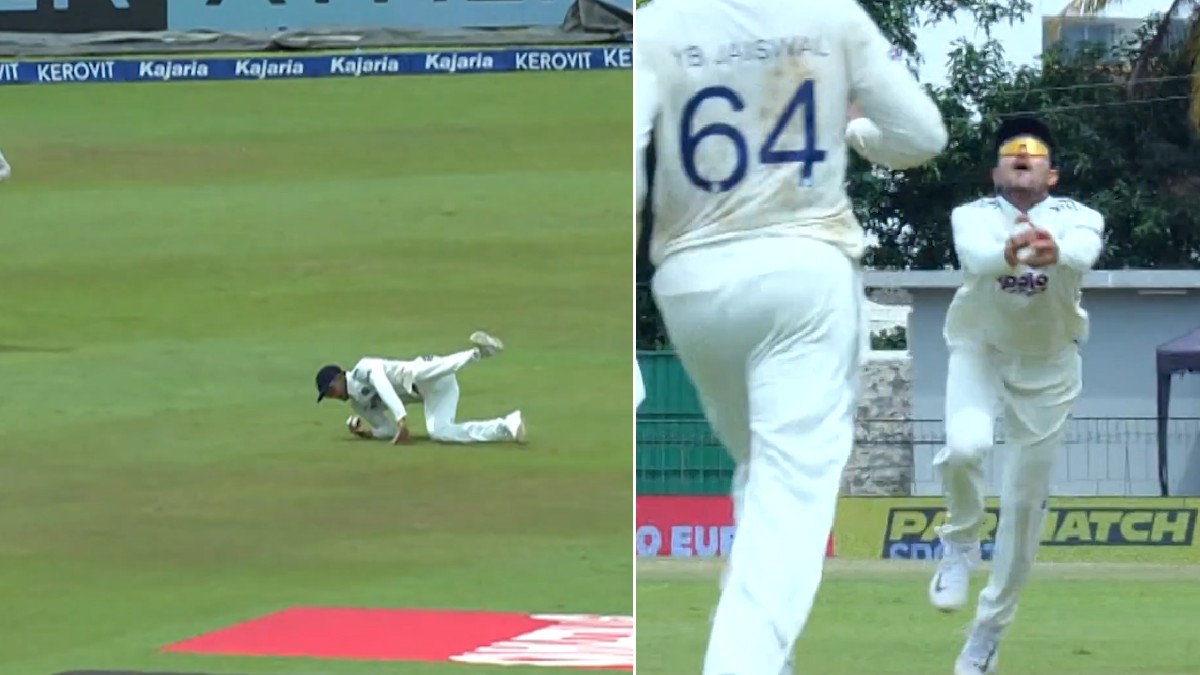
India’s captain Shubman Gill is upset at the team’s performance with West Indies winning the third and final ODI in the series at the end of our hands. India had so many chances at winning the game but the hosts won a record chase and the Indian team will have to address a number of problems ahead of the World Cup.
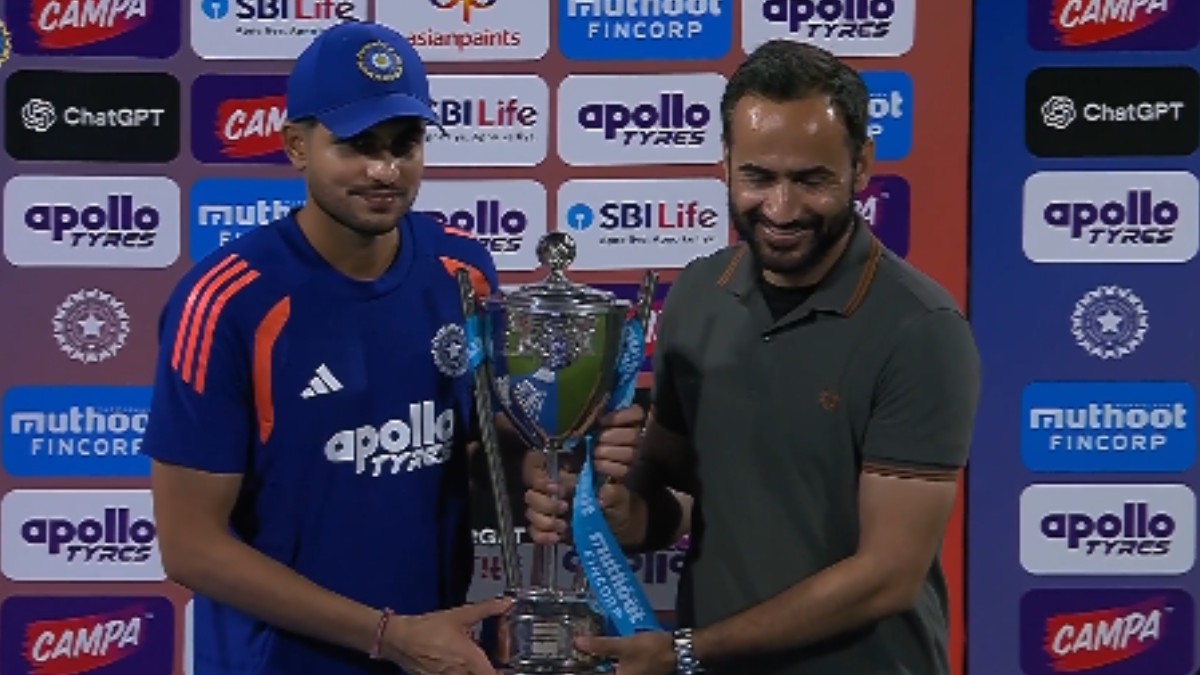
The result was particularly significant because India came into the last match expecting a series victory. But West Indies produced a determined batting performance to chase down India’s target and finish the three-match series on a high. Gill and the Indian team management learned the hard way that good starts and individual performances are not enough when a team does not get into control in the crucial stages of a match.
Gill had admitted that there were areas of concern following the loss. India had opportunities to put pressure on West Indies but the team was unable to take control in those moments. The Indian captain's assessment will be of interest because preparation for a major global tournament means that teams have to identify and rectify weaknesses well into the preparation period.
That consistency in all departments has to be there for the third ODI too. India’s batting unit had to set the target for them and the bowlers were to defend it by making regular breakthroughs and keeping the scoring rate high. But West Indies were able to take the pressure and still make it through the chase. Their ability to rally back from bad times and get back and score again eventually enabled them to complete the chase with five wickets in hand.
In India, the defeat means that their ability to close out matches when opponents launch a strong response is in doubt. Momentum can change quickly in world cricket, and in ODI tournaments in particular. A team that takes wickets and controls boundaries, when a team dominates one phase can be under pressure in a few overs if they don’t take wickets. Gill’s concerns for India underline the need for India to be more disciplined in this regard.

The defeat could serve as an important learning experience for the Indian team as well as a learning opportunity. With the World Cup closer than it has ever been, the team can now examine its strategy, bowling combinations, batting and fielding ability as a team. Coaches and captains often use bilateral series to experiment with combinations, but results in those matches can also reveal weaknesses that opponents may exploit in big tournaments.
Gill’s leadership will be under the microscope as India goes head on in preparation. And for the captaincy to be given to a team with the experience and young talent in the team one has to perform efficiently. But the skipper will be expected to judge performances objectively and find the lessons from defeats to be turned into a better side.
West Indies also had a big win -- the victory was a big statement. A tricky total against India and winning the deciding ODI showed that they could keep their heads in the game and stay composed under pressure. The Caribbean team and players will have confidence as well after completing a record chase in the final match of the series.
India would now need to turn its attention towards the next stage of its international schedule. The focus will be on strengthening areas that Gill and the team management have identified and ensuring that such lapses do not occur when the stakes are much higher.
The five-wicket defeat should not necessarily be seen as a reflection of India’s overall strength, but it is certainly a warning that no department can afford inconsistency ahead of a major tournament. Gill’s concerns make that message clear. India have a bit of time to rectify their deficiencies, but the World Cup will require a much higher level of execution.
The Indian captain and his team have to turn the disappointment of the final ODI into a positive learning experience. If the team can rectify the deficiencies displayed by West Indies, the defeat can be useful during the World Cup preparation.