New Delhi had announced a major urban infrastructure initiative to upgrade nearly 93,000 streetlights across the city with smart LED technology. This is part of the capital’s larger focus on energy efficiency, urban development, and public safety.
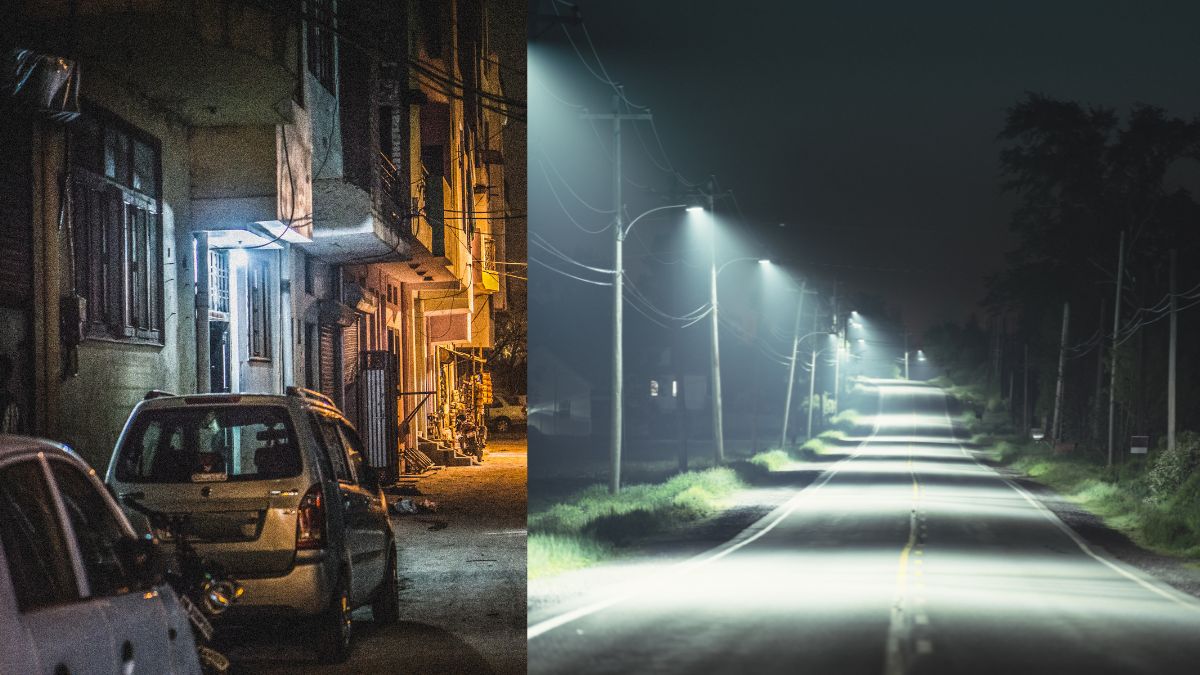
Smart LED systems, with much lower electricity consumption and bright lighting, will be used for streetlights. Officials say that the change will reduce power consumption by 50%, which will save on government costs and reduce the carbon footprint of the city.
The smart LEDs will also integrate with remote monitoring technology to allow the government to monitor performance, detect faults, and control lighting schedules more efficiently. Automated dimming and adaptive brightness features will provide the best lighting according to traffic density and time of day.
Public safety is another key driver of the initiative. Better-lit streets are expected to reduce accidents and improve security in residential and commercial areas. The government has made it very clear that this project will emphasize high-traffic areas and vulnerable neighborhoods to have the biggest impact.
The upgrade also fits into Delhi’s overall sustainability agenda. Through smart LEDs, the city is contributing to India’s national energy efficiency and renewable energy program and will be a model for other metropolitan areas to build on.
Residents welcomed the announcement and have observed that poorly lit streets have long been a problem in some parts of the city. Social media responses show a sense of optimism about better safety and less power waste, but also some residents have called on the government to ensure timely execution and maintenance.
The Delhi government’s plan to upgrade 93,000 streetlights with smart LEDs is one of the most significant developments in urban infrastructure; the project is a game-changer for the city’s infrastructure. This means energy efficiency, technology integration, and public safety— with the capital’s vision to create a cleaner, greener, and safer city.